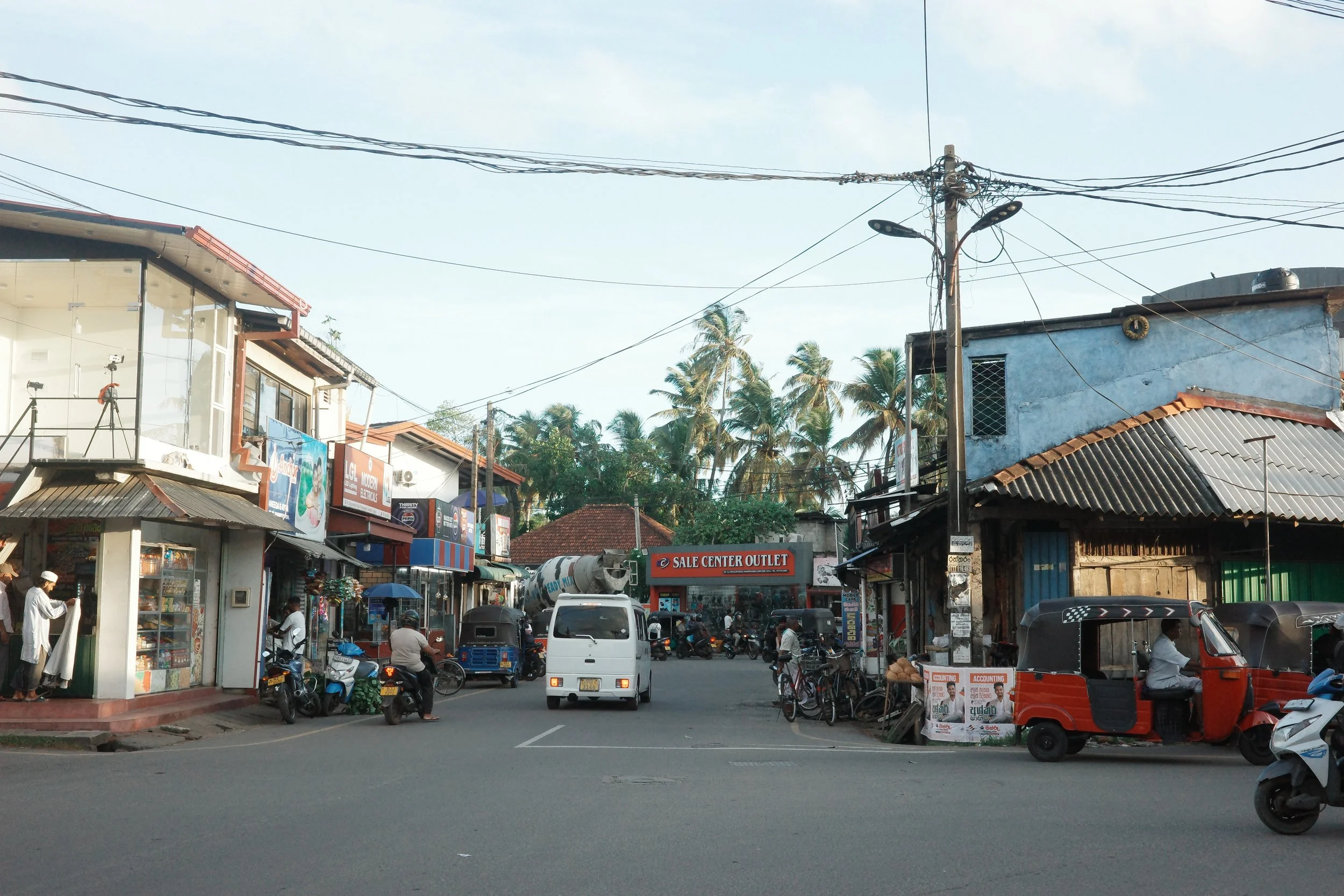
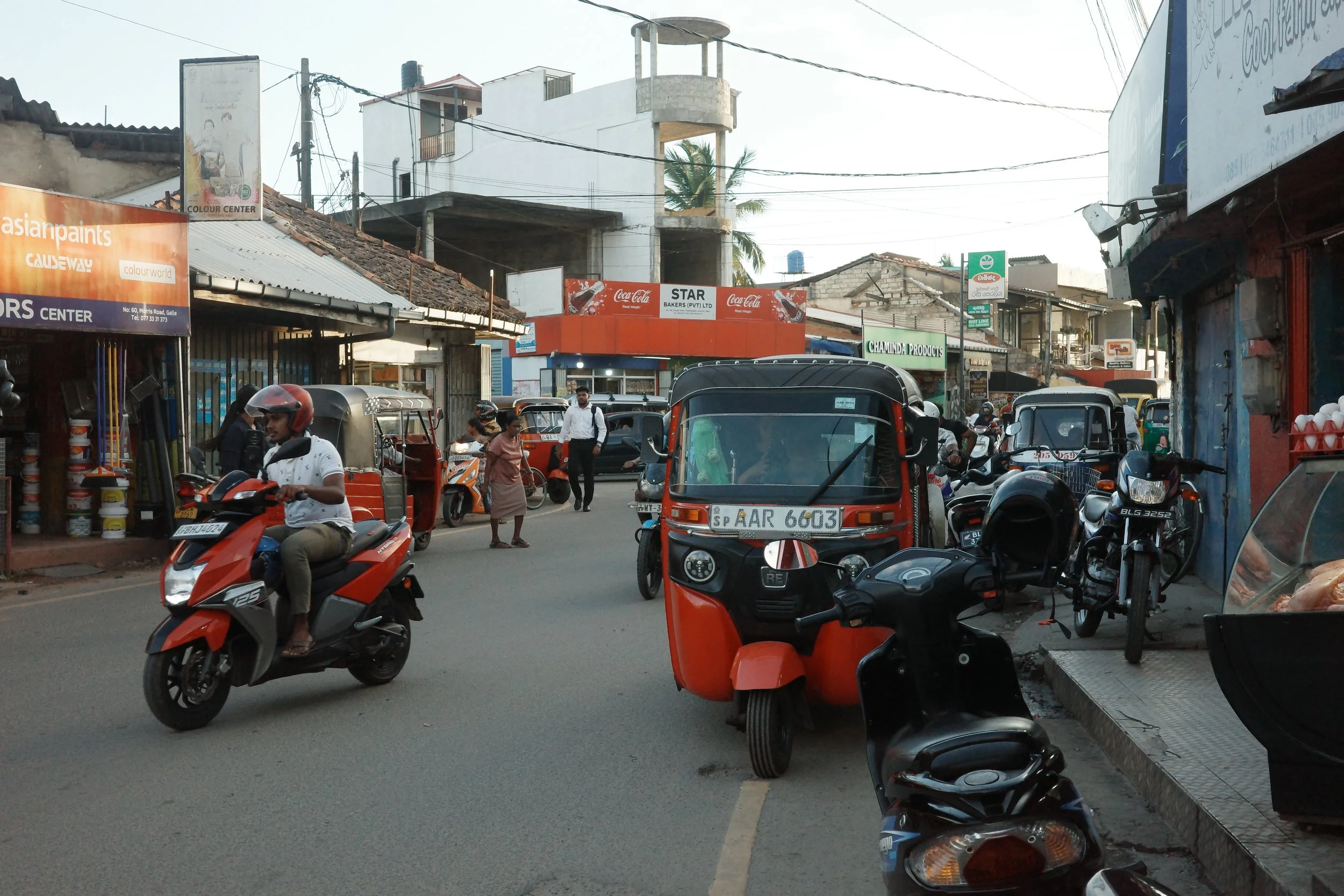
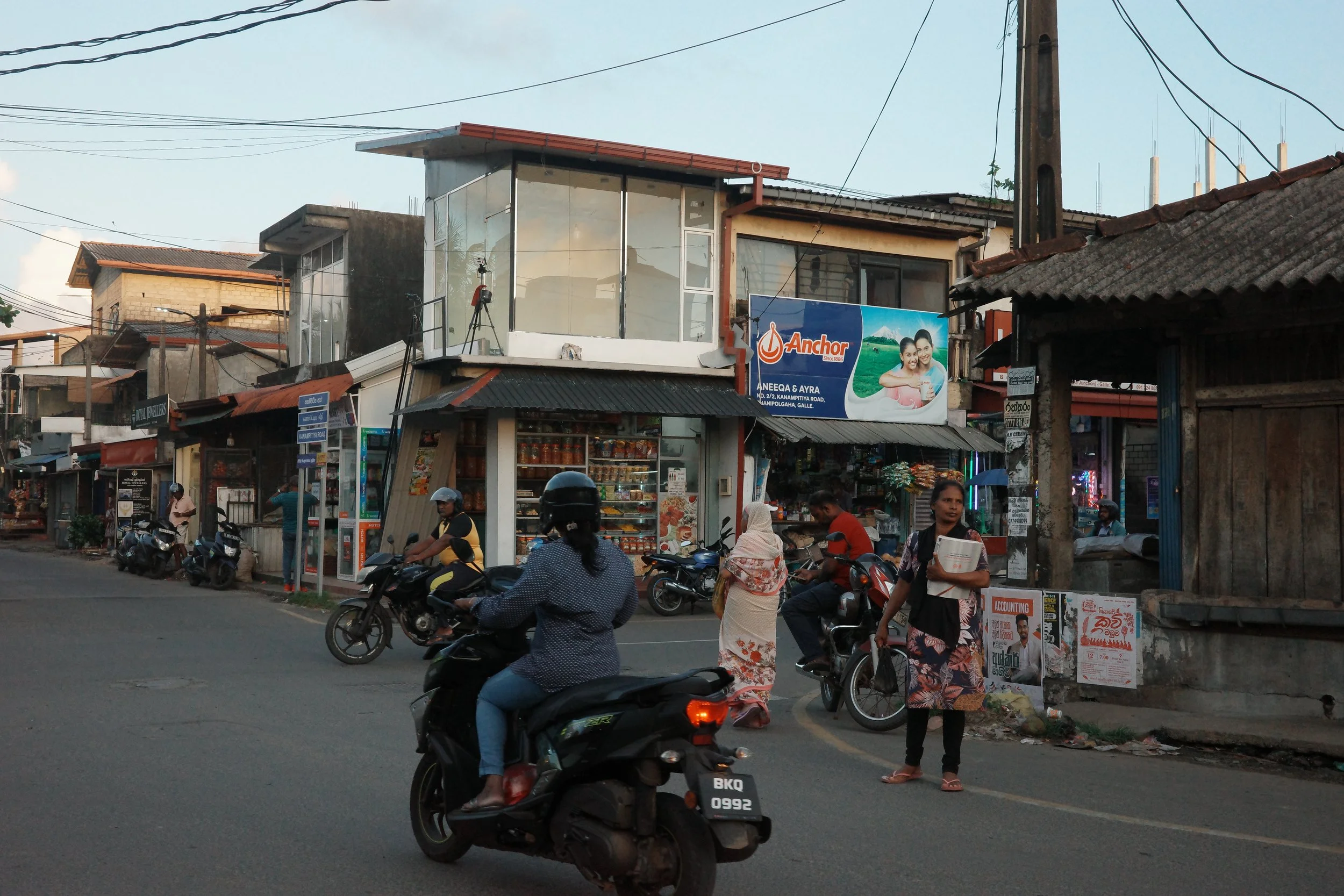
Less than ten minutes after leaving Galle Fort, the tourists had all but disappeared. Streets that had been full of foreign visitors and boutique shops gave way to local neighbourhoods, where hardware stores and small grocery shops stood among ugly, brightly coloured signs. The two areas were only a few hundred metres apart, yet they felt like completely different worlds. The man who took me there was called Aron.
I met Aron while walking along the walls of Galle Fort. He was waiting to pick up his daughter from school. Aron was Sinhalese, a small, slim man wearing the lace-up sandals commonly seen in Sri Lanka. There were white marks on his sandals, possibly from paint or plaster. He told me his father ran a small construction business, and he now worked with him, going to building sites whenever there was a project. His English was excellent. When he was young, his father believed that speaking good English would open doors for him, so he arranged extra English lessons. Aron was now passing on the same belief to the next generation, sending his daughter to English classes too.
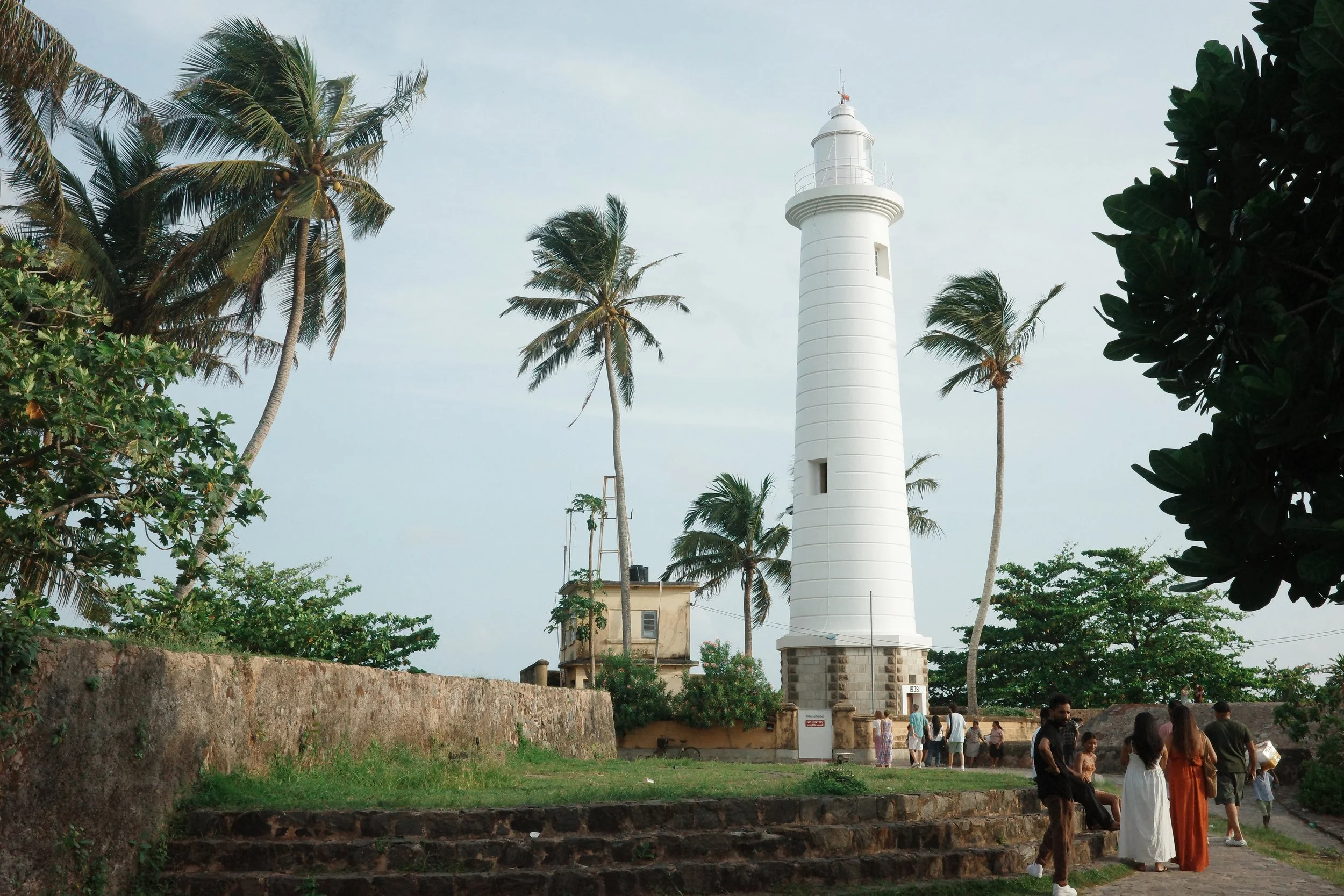
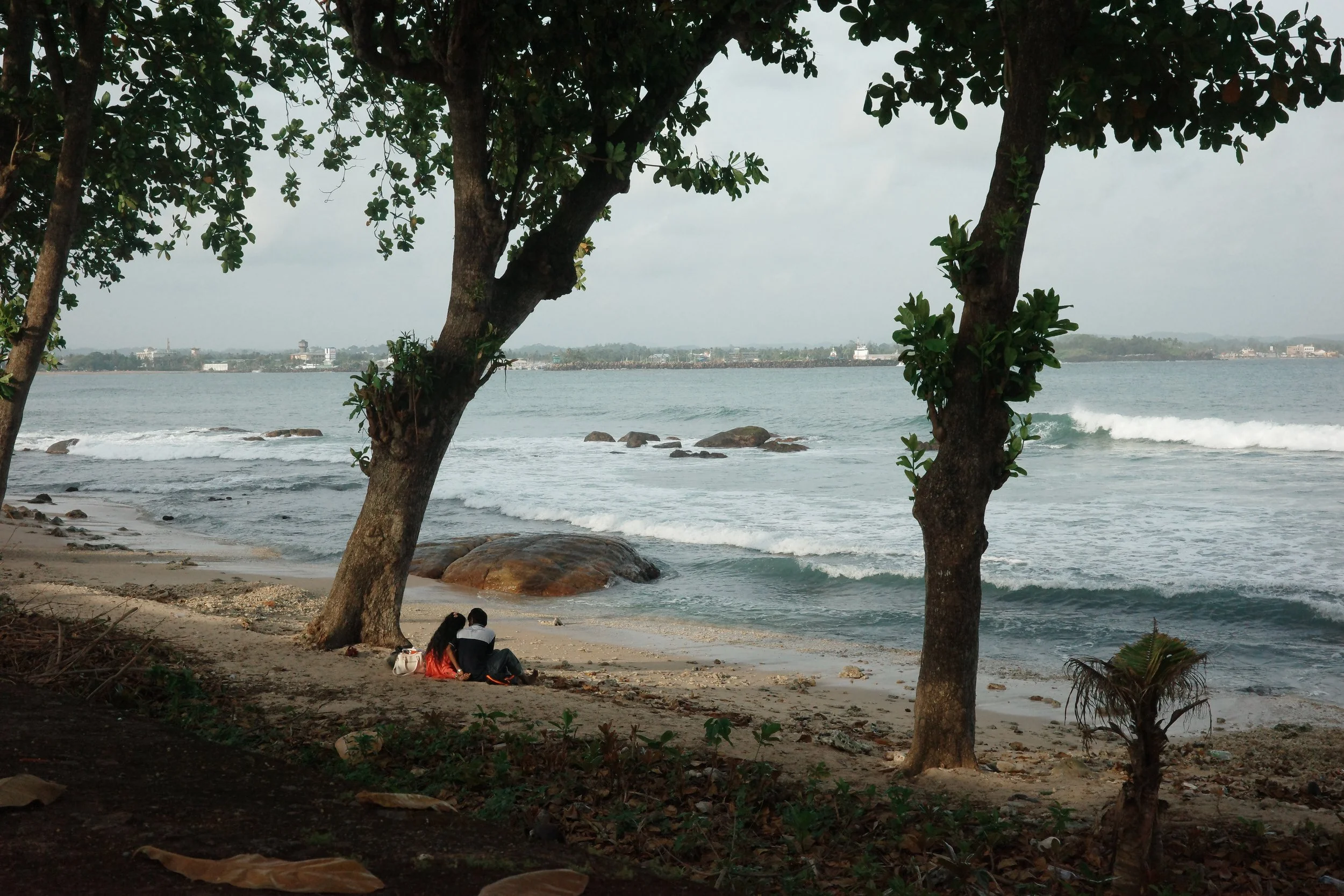
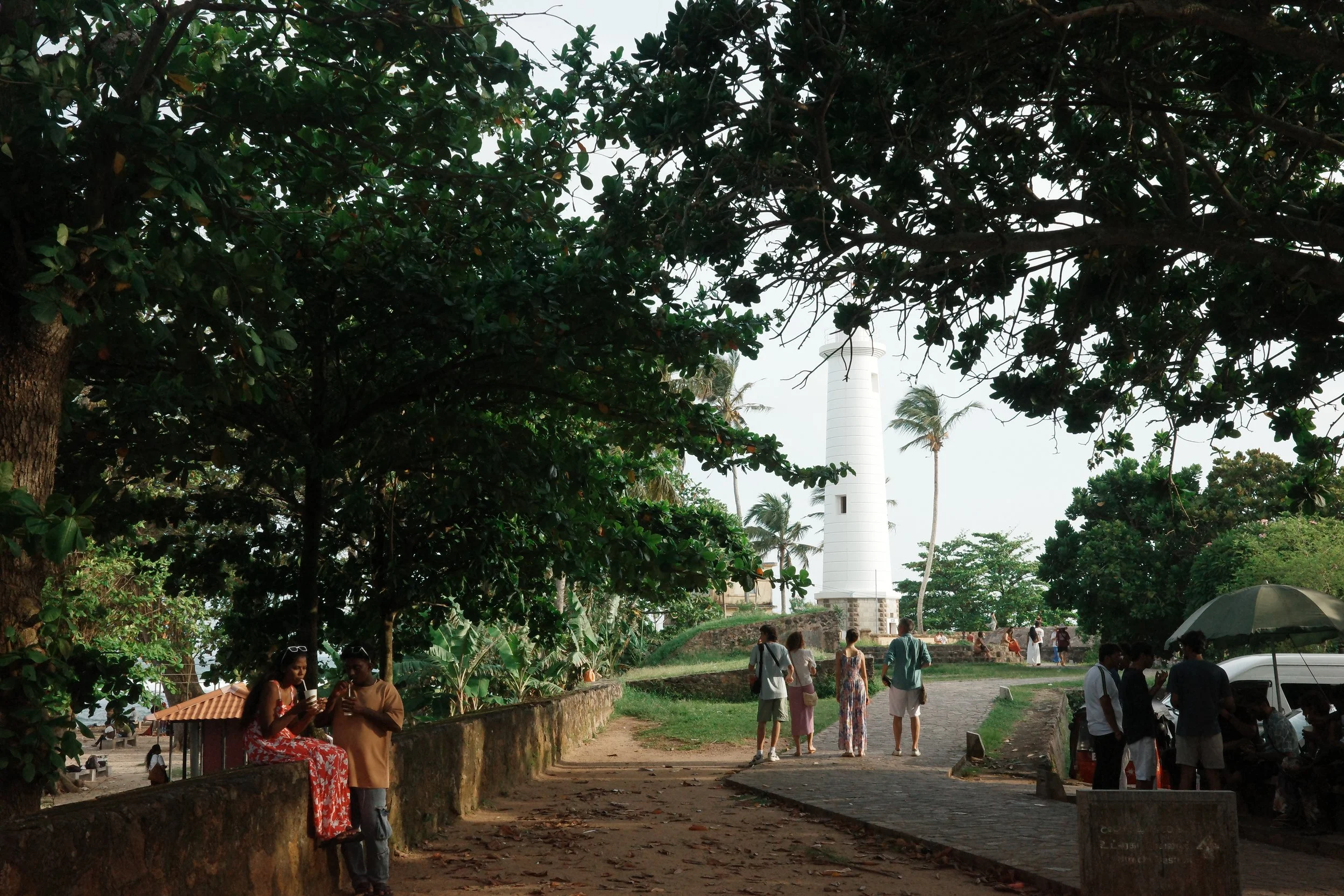
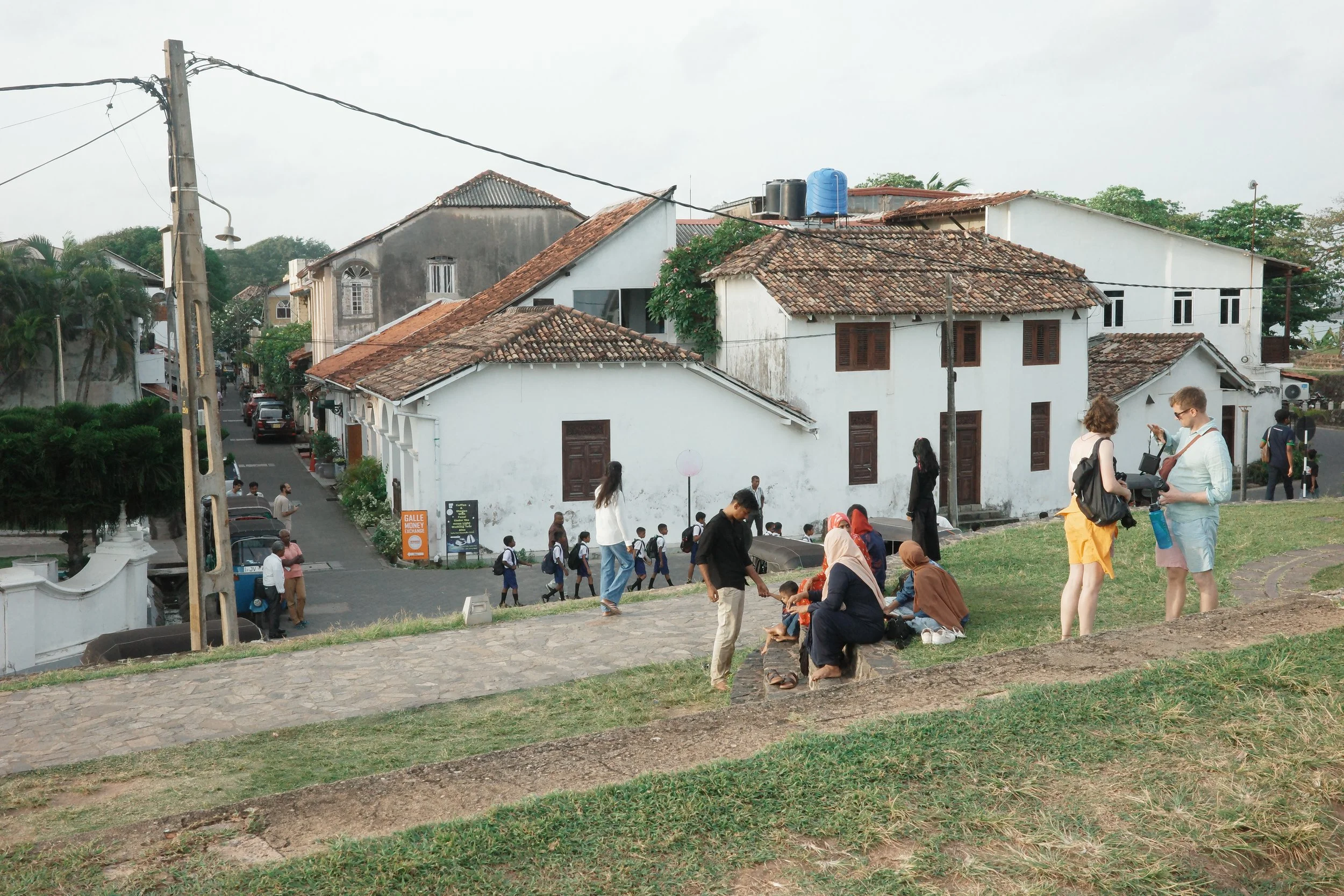
Aron was very talkative, and along the way we discussed religion, ethnic groups and the war in Sri Lanka. He said he couldn't understand Tamil at all, but felt that relations between different religious and ethnic communities had become more peaceful since the civil war ended in 2009. To be fair, I have no idea how accurate his view was.
At one point, he held out his arm and showed me four tattoos: a Christian cross, the Hindu Om symbol, the Buddhist swastika, and the Islamic crescent and star. Four major religions were living peacefully together on his skin. He said people should let go of hatred and treat one another like brothers and sisters, regardless of their religion. It was quite a vision of world peace.
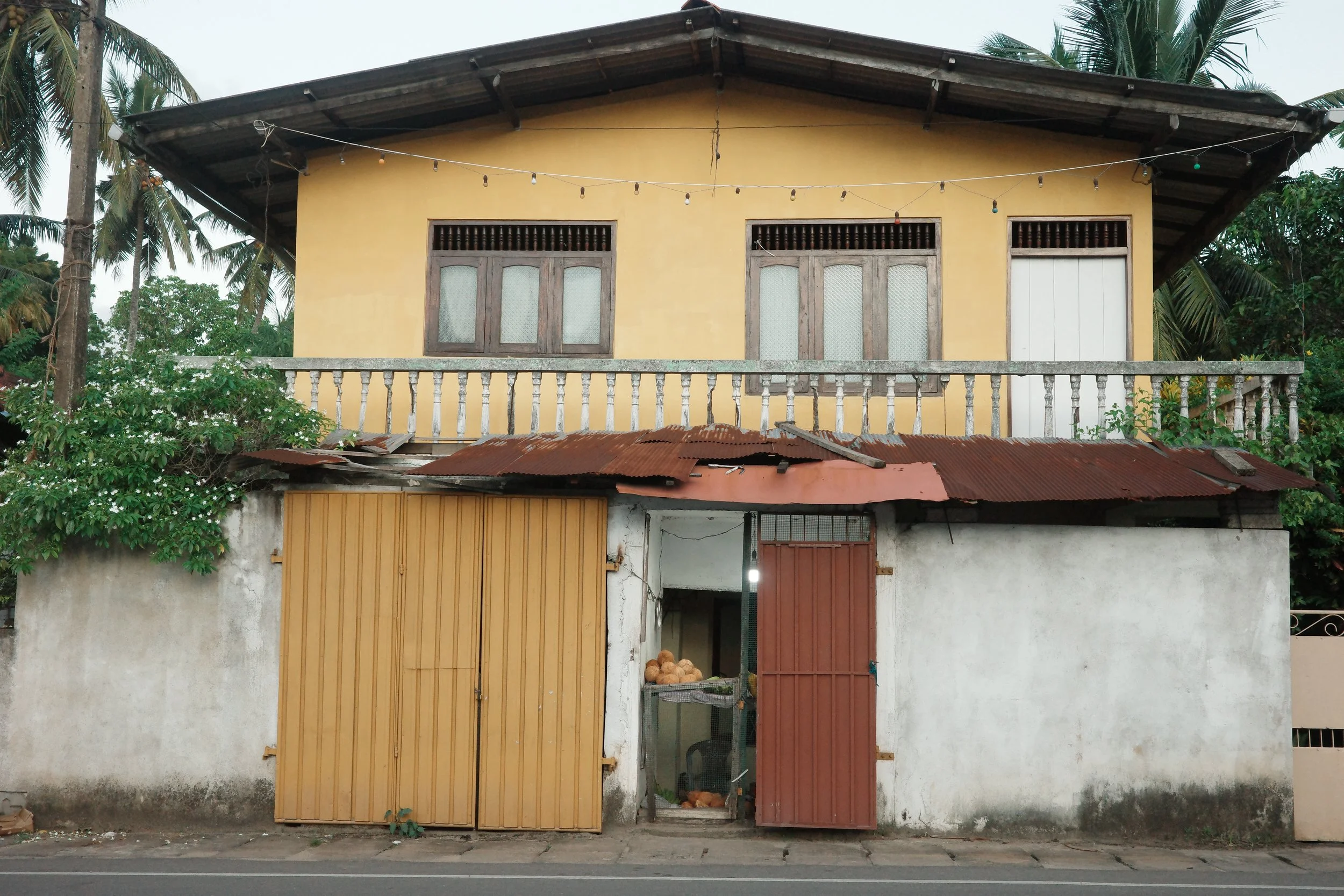
A fruit shop in north Galle
I told him that with his outgoing personality and excellent English, he would make a great tour guide. He said no, he wasn't really interested in working in tourism.
During my nearly two weeks in Sri Lanka, I met quite a few people like Aron who enjoyed chatting with strangers. Foreign tourists are hardly a novelty there, yet many people still seemed genuinely curious about visitors from other countries. Throughout the trip, I lost count of how many times I answered the same questions: "Where are you from?", "How long have you been in Sri Lanka?", "How many days are you staying?" and "Do you like it here?" Together, they could almost make up a standard tourist questionnaire, yet somehow I answered them enthusiastically every single time. Perhaps travelling abroad really does give you a dopamine boost. Even the same small talk over and over again becomes less boring.
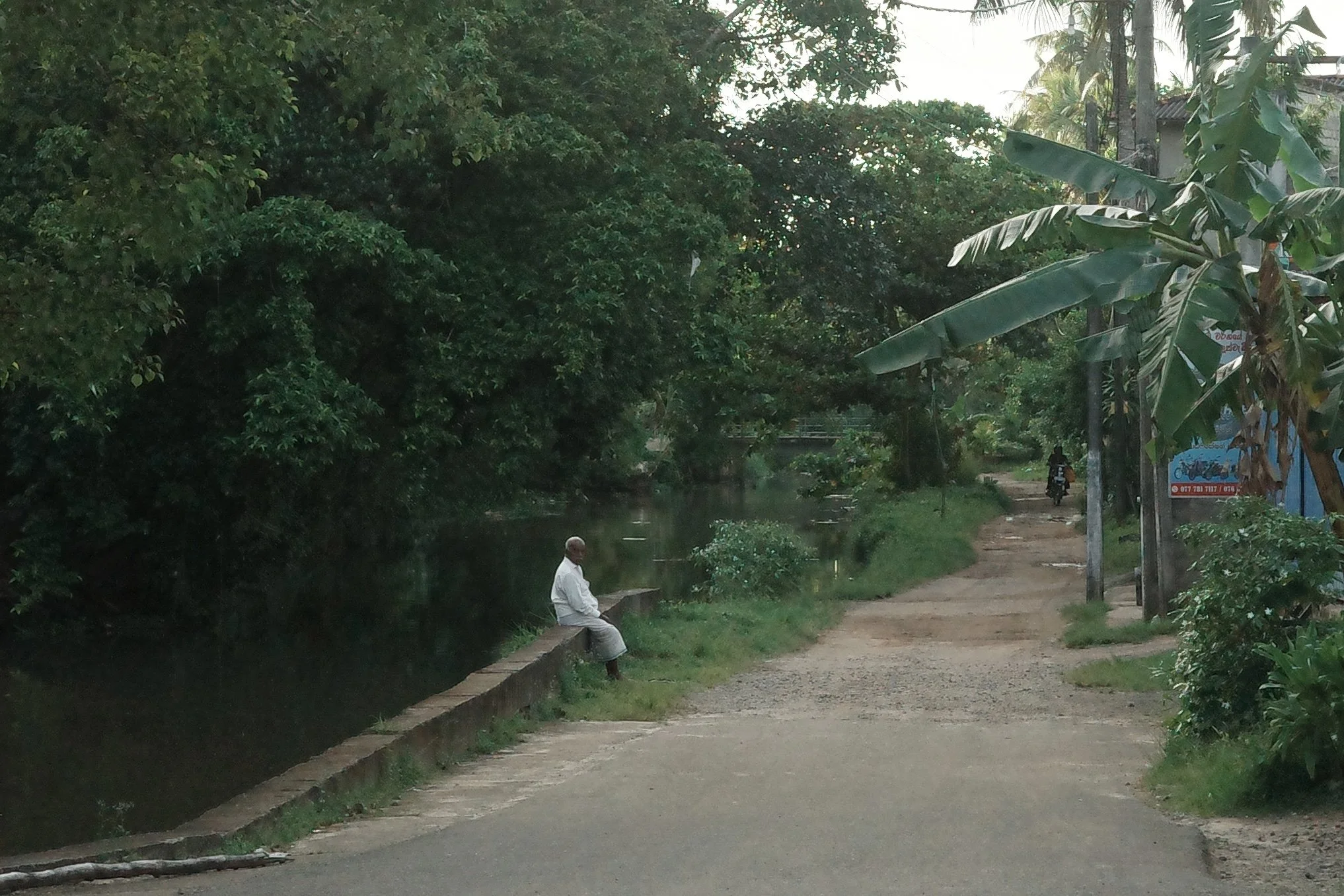
A man in Galle Fort with Greens
Aron suggested taking me to see the neighbourhoods outside the fort, where local people lived. I happily agreed.
Less than ten minutes' walk from Galle Fort, the Dutch colonial buildings were gone, and the fancy hotels and palm trees were behind me. In their place was a scene that felt strangely familiar, reminding me of a smaller, less developed city back in China. By the roadside stood a Buddha statue about three storeys high, painted in bright, rather garish shades of pink, green and yellow. The colour scheme looked as though it had come straight from Barbie's wardrobe.
When Aron heard that I was interested in the history of tea in Sri Lanka, he took me to a tea shop. He said locals shopped there, and that I could have a look if I wanted to try some authentic Ceylon tea. The prices were surprisingly high. I knew next to nothing about choosing tea, but having come all this way, I decided I might as well buy something. So I picked up a packet of blended tea.
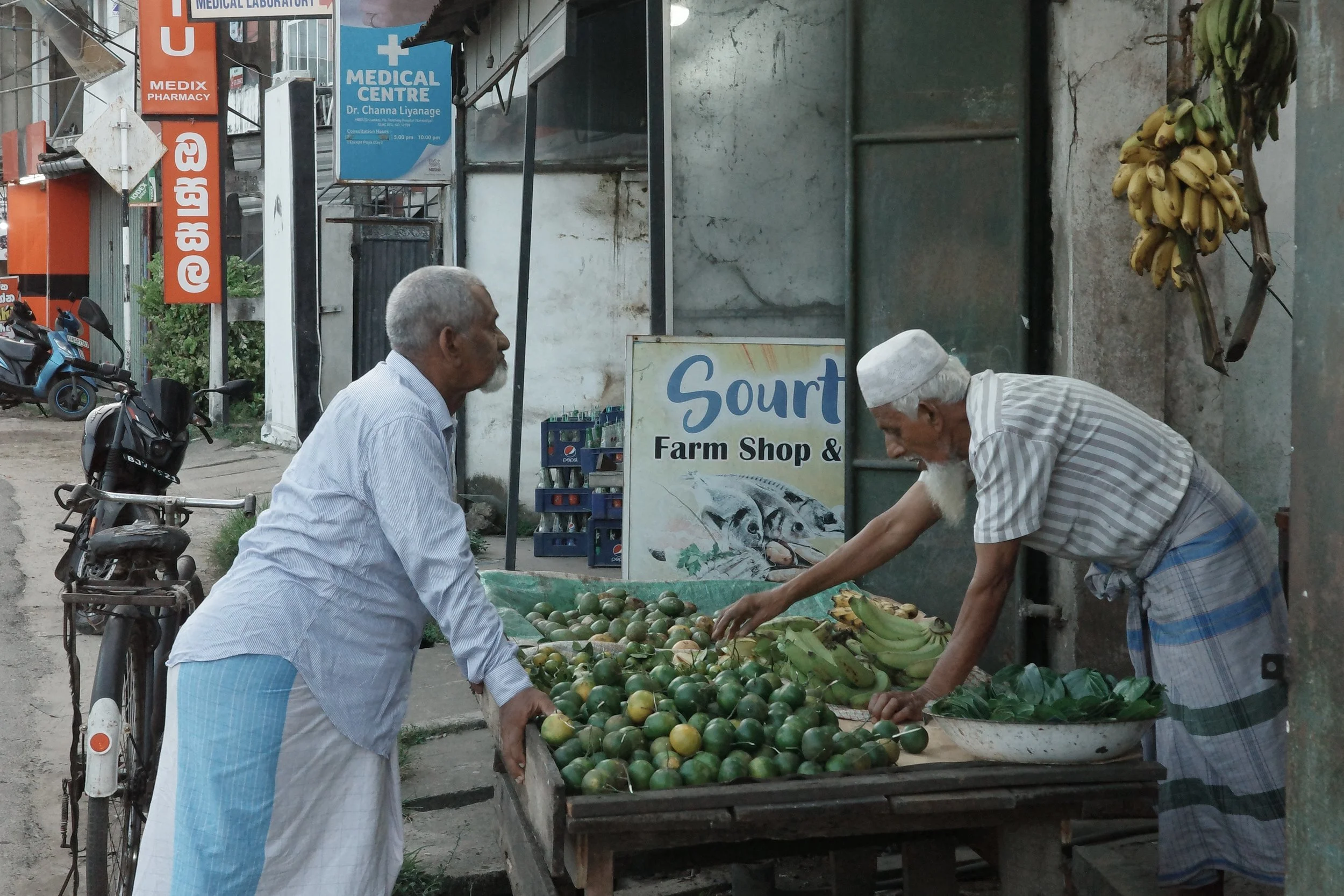
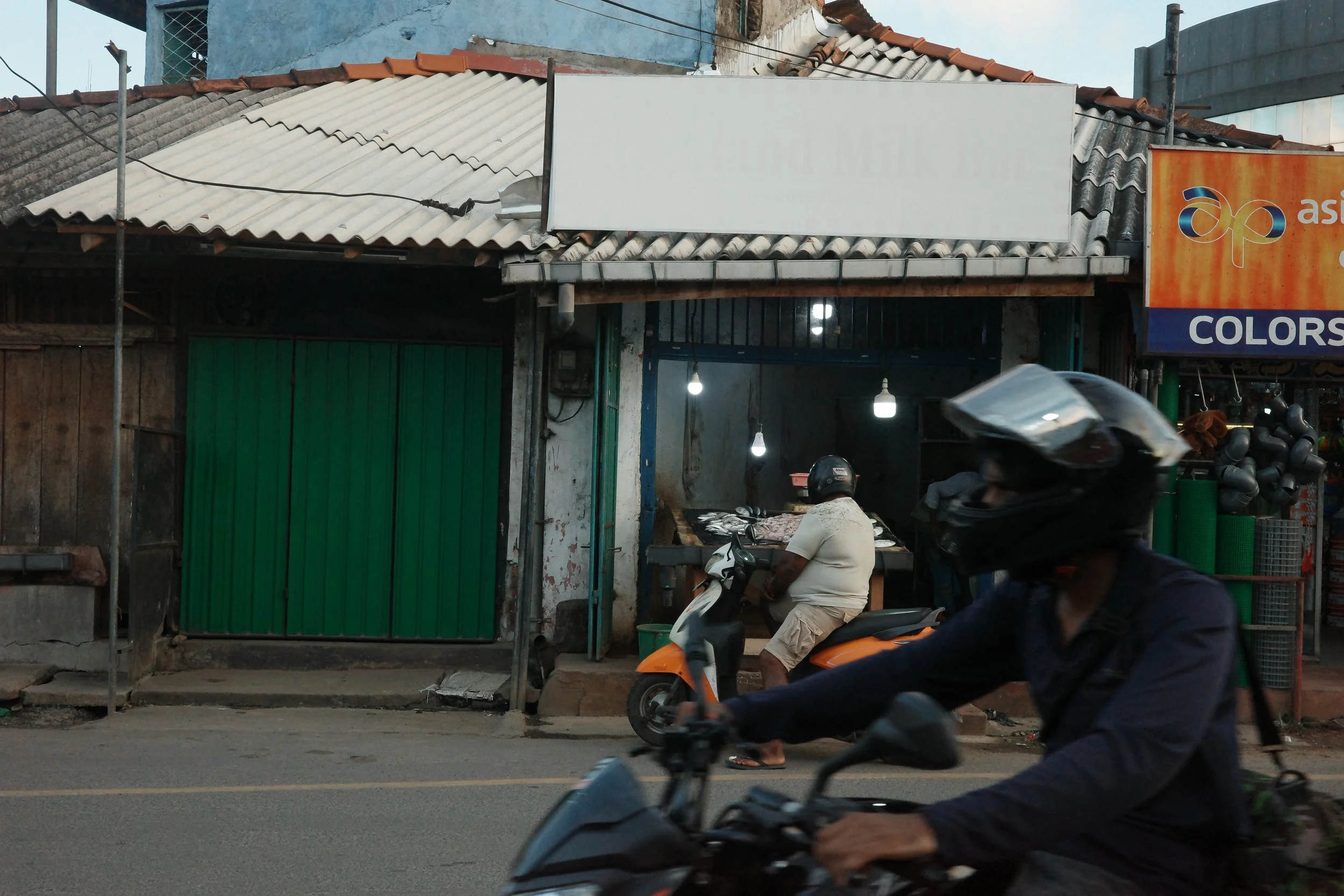
A fruit stand selling lemons and bananas
Later, I offered to thank Aron for showing me around. He suggested buying some milk powder for his daughter. I readily agreed, and we went into a small grocery shop by the road. In a place where a meal could cost around 1,500 to 2,000 rupees, this box of milk powder was priced at 4,000 rupees. Something didn't feel quite right. I immediately declared a financial crisis, explaining that I only had 2,000 rupees in cash and could afford no more than a smaller box. Aron wasn't troubled in the slightest. Instead, he came up with a remarkably cooperative solution: he would pay half, and I would pay the other half. Deal!
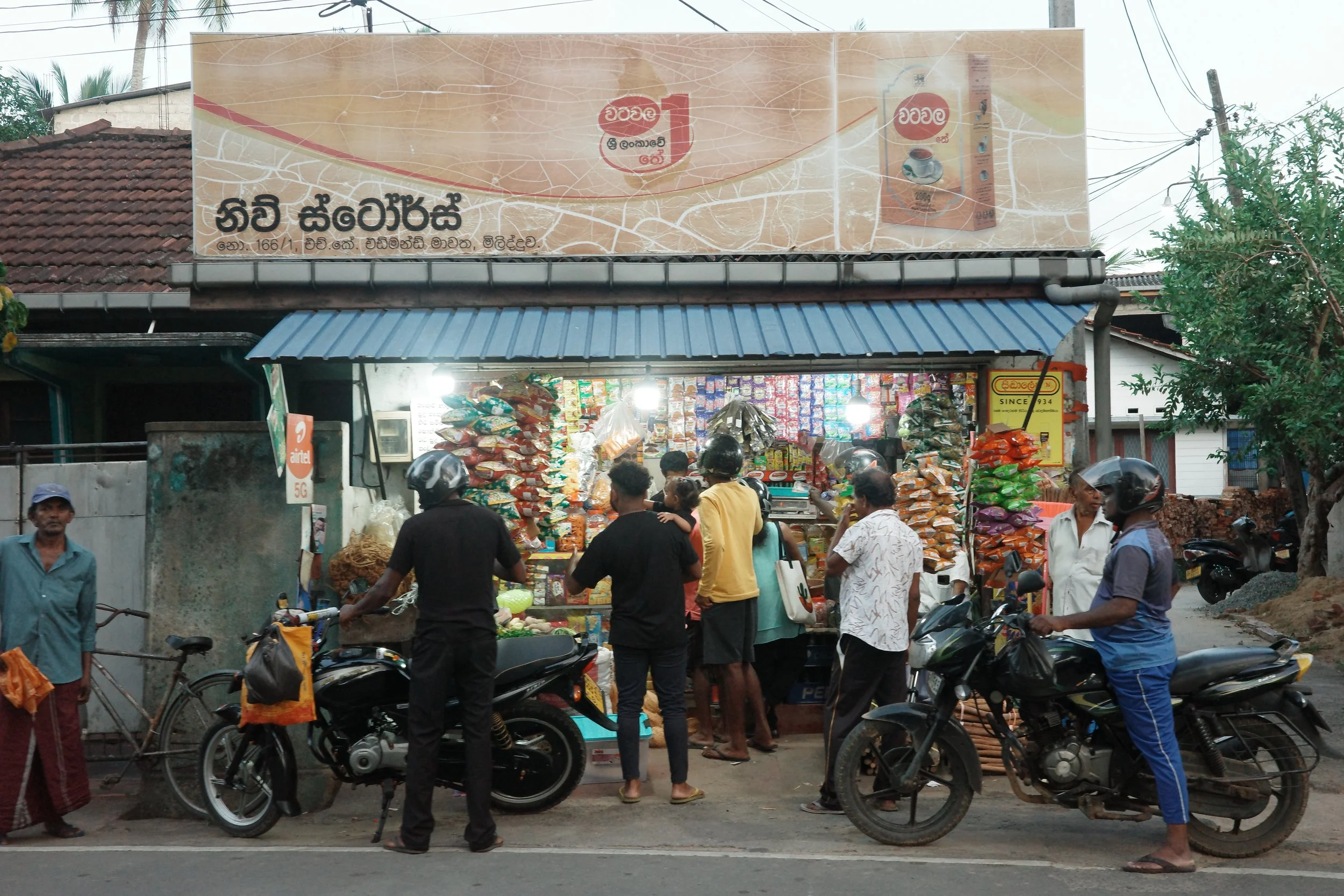
A busy local grocery in Galle
Thinking back to how he had shown me his four religious tattoos and talked about treating people of different faiths with kindness, I found the whole thing rather funny. A conversation about world peace had somehow ended in a joint investment in milk powder.
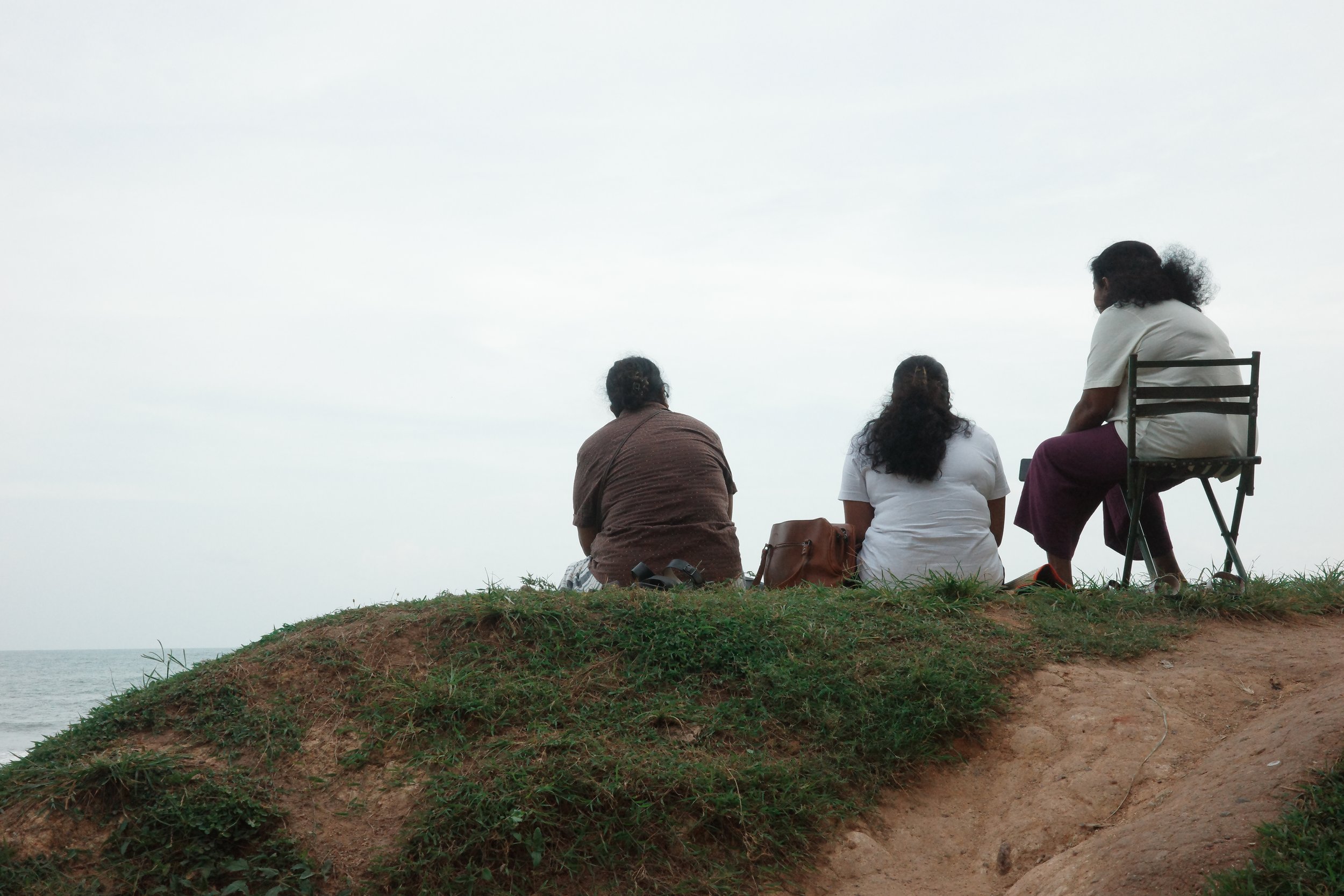
People looking out to The Indian Ocean on the walls of Galle Fort
Later, I came across posts on Reddit describing similar experiences. According to some travellers, milk powder is relatively expensive in Sri Lanka, and in some cases, the products bought by tourists are taken back to the shops for a refund, with the money then split between the people involved. I suddenly wondered whether this business model was rather more established than I had imagined.
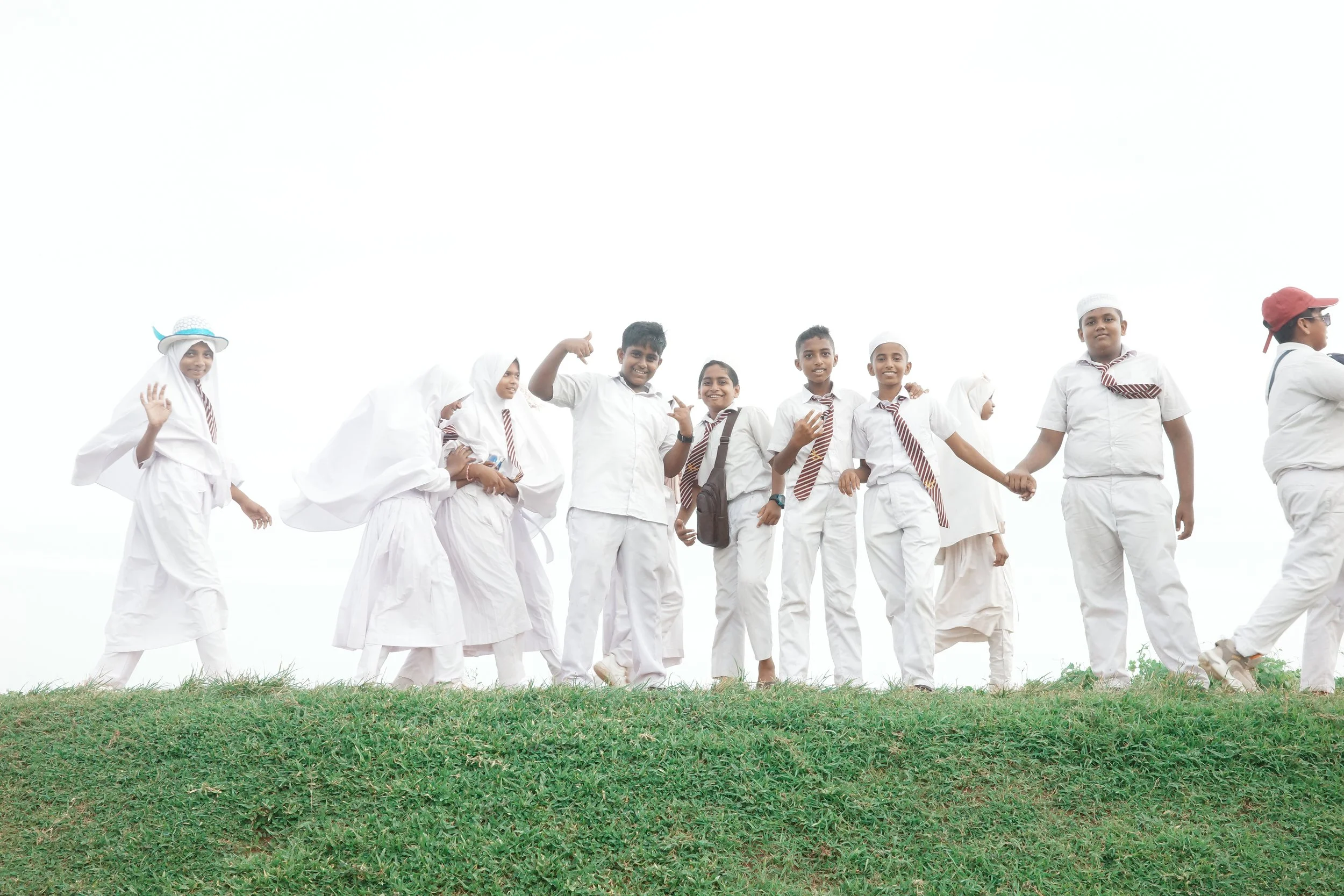
School tours and they love cameras
That afternoon, Aron said he needed to take the milk powder home before returning to the fort to pick up his daughter. We said goodbye, and he soon disappeared into the crowd. Everyone around me seemed to be local. There was hardly a tourist in sight.
It had taken less than ten minutes to walk here from Galle Fort.
Aron和他的四个宗教纹身
从加勒古城走出来,不到十分钟,游客便不见了踪影。刚才还满是外国游客与精品店的街道,转眼成了当地人的生活区,五金店杂货店间穿插着丑陋的五彩招牌。两者相隔不过几百米,却仿佛属于两个不同的世界。带我走进这里的人叫 Aron。
我是在加勒古城的城墙上散步时遇见他的。当时他正在等女儿放学。Aron 是僧伽罗人,个子不高,身形瘦小,脚上穿着一双斯里兰卡常见的系带凉鞋,鞋面沾着些白色粉末,看着像是油漆或石灰留下的痕迹。他说父亲经营着一家建筑工作室,自己现在跟着父亲做建筑,有工程时便去工地干活。他的英语说得十分流利,小时候父亲认为英语学得好,走遍天下都不怕,特意让他补习。如今 Aron 也让这套理念薪火相传,带着女儿去补习英语。
Aron 很健谈,一路上和我聊起斯里兰卡的宗教、族群和战争。他说自己完全听不懂泰米尔语,却觉得自2009年内战结束以来,不同宗教和族群之间的关系比过去更加和平。说实话,我不知道他的判断是否准确。
说到这里,他伸出手臂,向我展示上面的四个纹身:基督教的十字架、印度教的奥姆符号、佛教的万字符,以及伊斯兰教的星月,四大宗教在他的皮肤上和平共处。他说,人们应该放下仇恨,不论信仰什么宗教,都要像兄弟姐妹一样彼此爱护。听着颇有些世界大同的意思。
我跟他说,你这么健谈,英语又好,很适合去做导游。他说不了,自己不太想从事旅游行业。我也就没有继续这个话题。
在斯里兰卡旅行的近两周里,我遇到过不少像 Aron 一样喜欢与陌生人攀谈的人。尽管外国游客早已不是什么稀罕事,他们似乎仍然对来自异国的人充满好奇。这一路上,我回答了无数次“你来自哪里”“来斯里兰卡多久了”“打算待多少天”以及“喜欢这里吗”。这些问题几乎可以组成一套旅行标准问卷,而我竟然每次都能兴致勃勃地重新回答。可能人在异国旅行时真的会分泌某种多巴胺,连重复的寒暄都变得不那么枯燥。
Aron 提出带我去古城外本地人生活的街区看看,我很高兴地答应了。
仅仅离加勒古城步行不到十分钟,荷兰殖民风格的古城建筑不见了,高档酒店与椰林被抛在脑后。取而代之的是一种国内三线城市的熟悉感,一座三层楼高的佛陀站立在街边,他全身被涂上鲜艳且俗气的粉色、绿色、黄色,配色像是参考了芭比的衣橱。
因为听说我对斯里兰卡茶叶种植的历史感兴趣,他带我来到一家茶叶店,说是本地人会来光顾的店铺,如果想尝尝正宗的斯里兰卡红茶,可以看看。茶叶价格不便宜,很出乎意料。我哪里会挑选茶叶,就秉承着来都来了的精神选了一包混合茶。
后来,我提出想感谢 Aron带我逛了逛。他说,不如给女儿买点奶粉。我一口答应,我们走进一家街边的杂货店。在这个吃一餐饭大概1500-2000卢比的地方,这盒奶粉挂牌4000卢比。我隐约觉得事情不太对劲,当即宣布财政危机,自己身上只有2000卢比现金,最多只能买个小盒的。不料 Aron 丝毫没有为难,反而提出了一个极具合作精神的解决方案:他出一半,我出一半。成交吧!
回想他在路上向我展示四个宗教纹身,谈论不同信仰的人应该如何真诚相待。我觉得还挺幽默,一场关于人类大同的交谈,最终以一笔奶粉合资项目告终。后来我在 Reddit 上看到有人分享类似经历,说奶粉是当地价格偏高的产品,游客买下的奶粉有时会被拿回店里退货,所得的钱再由双方分账。我忽然觉得这个商业模式,可能还挺成熟的。
那天中午,Aron 说,他得先回家把奶粉放下,再回古城接女儿。我就此与他道别。他很快消失在街区的人群里。四周都是当地人,几乎看不到游客。从加勒古城走到这里,不过十分钟。