Singburi 2.0, and What London Lost
I finally went to the reopened Singburi, and I carried more feeling than appetite.
Most old Londoners know that Singburi 2.0 reopened this year and quickly became one of the city’s most talked-about tables. Since June, booking has been close to impossible. Yet what lingers for me is not the new chapter, but the first.
Singburi 1.0 was tucked away in Leytonstone. From central London it took more than an hour to reach. When I lived in Tottenham during the pandemic, I would take the bus there on quiet weekends. The daily menu was written in chalk. Their Instagram looked almost accidental. Some days, if I saw stir-fried rabbit listed, I would cancel other plans and go just to take it home.
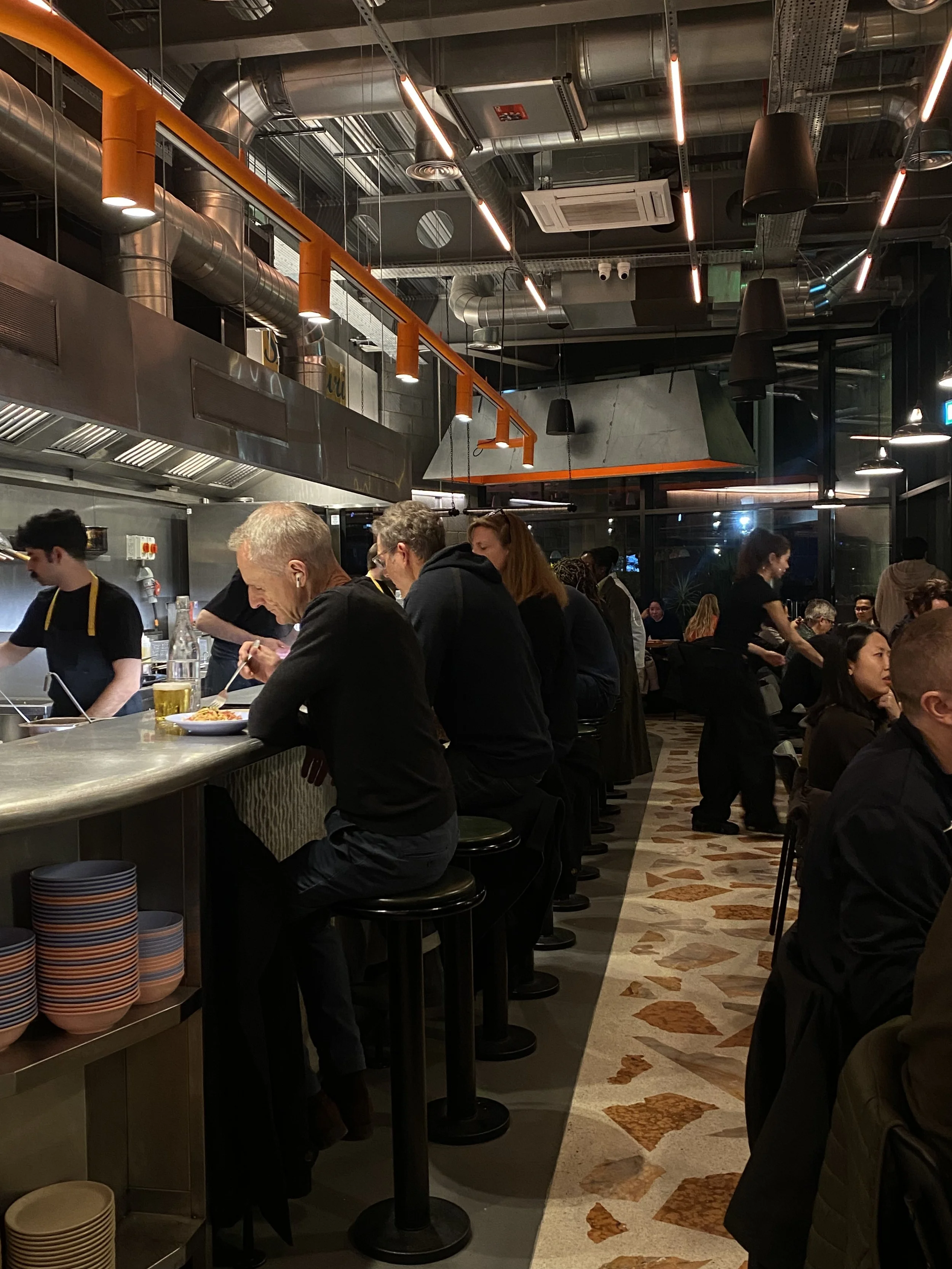
The new and chic Singburi
For twenty-five years, Tony and Thelma ran the small Thai restaurant on their own terms. It was far away. No drinks, no card payments, no fixed menu. The service was often described as poor. Sometimes it would close for long stretches without explanation. It carried many of the traits that British diners criticise in Asian restaurants. Yet those of us who grew up reading between the lines of Google reviews know that complaints about service often hide something else. It was the plainness that mattered — the cooking done to order, the freshness, the hands at work, the prices that felt fair. It did not ask to be admired. It simply existed.
Singburi 2.0 has moved to Shoreditch. It is now less than twenty minutes from my home. The space is open and bright. Terrazzo floors, stainless steel counters, large windows. The old wooden tables are gone. Only the yellow sign remains, like a memory pinned to a new wall.
The menu is shorter. Portions are smaller. The atmosphere feels familiar in a different way — aligned with many of London’s new Asian restaurants. The food is still good. Many would ask, what more do you want?
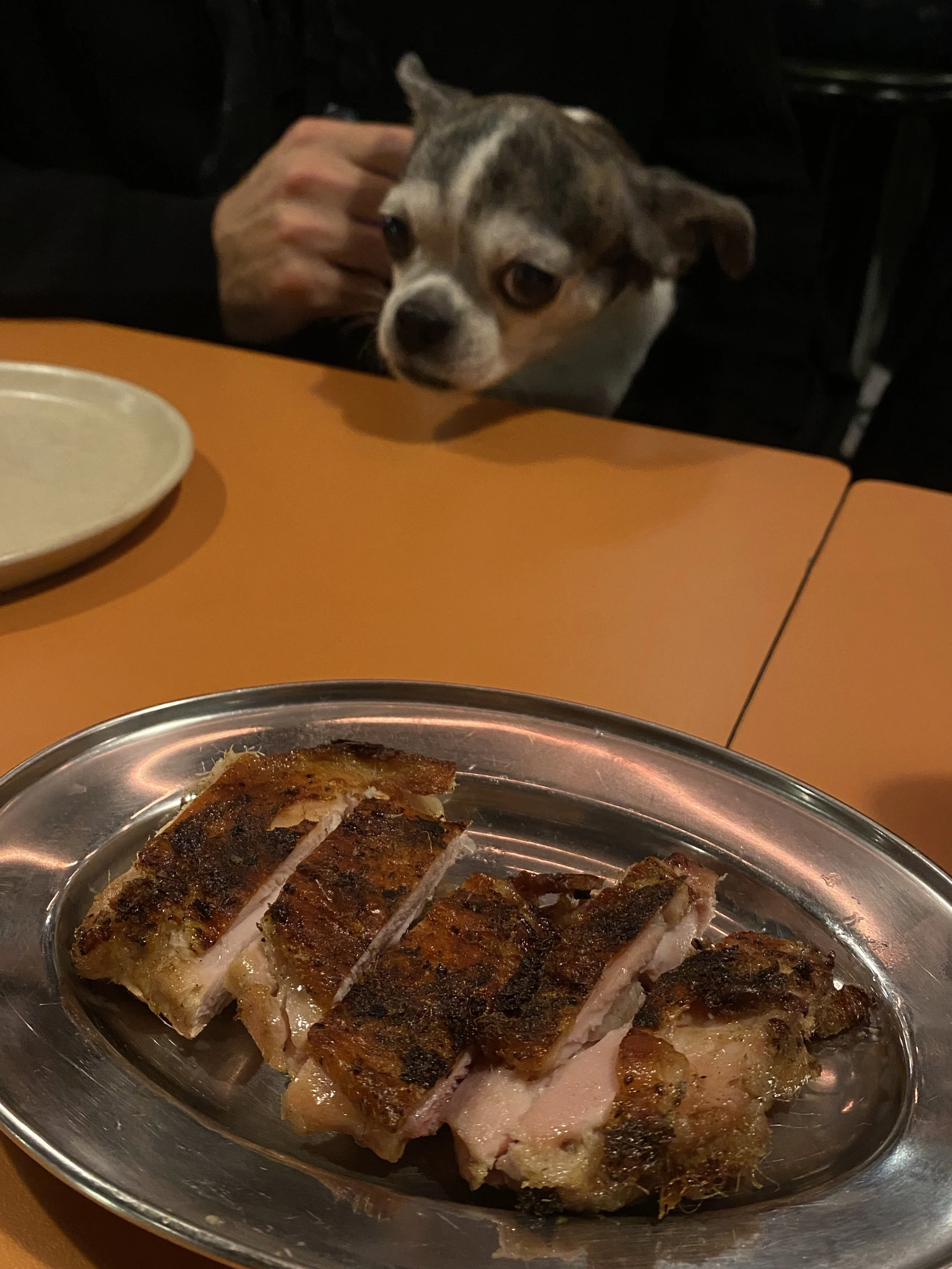
Good quality small plates
Perhaps what I miss is not flavour but distance. The journey. The sense of leaving one part of the city for another. Singburi 1.0 was not something waiting to be refined. It resisted polish. It resisted presentation. It did not need a narrative.
Now it sits among the successful, the well-reviewed, the photographed. It belongs easily in the same conversation as other fashionable names. It has entered the language of design and media.
I do not resent change. Cities move forward. Businesses evolve. Tony and Thelma have retired; after decades of labour, that feels right. There is something gentle in imagining them at rest.
Still, part of me wishes that the new version had kept more of the old humility — the feeling that the restaurant belonged to its street rather than to a district’s reputation.
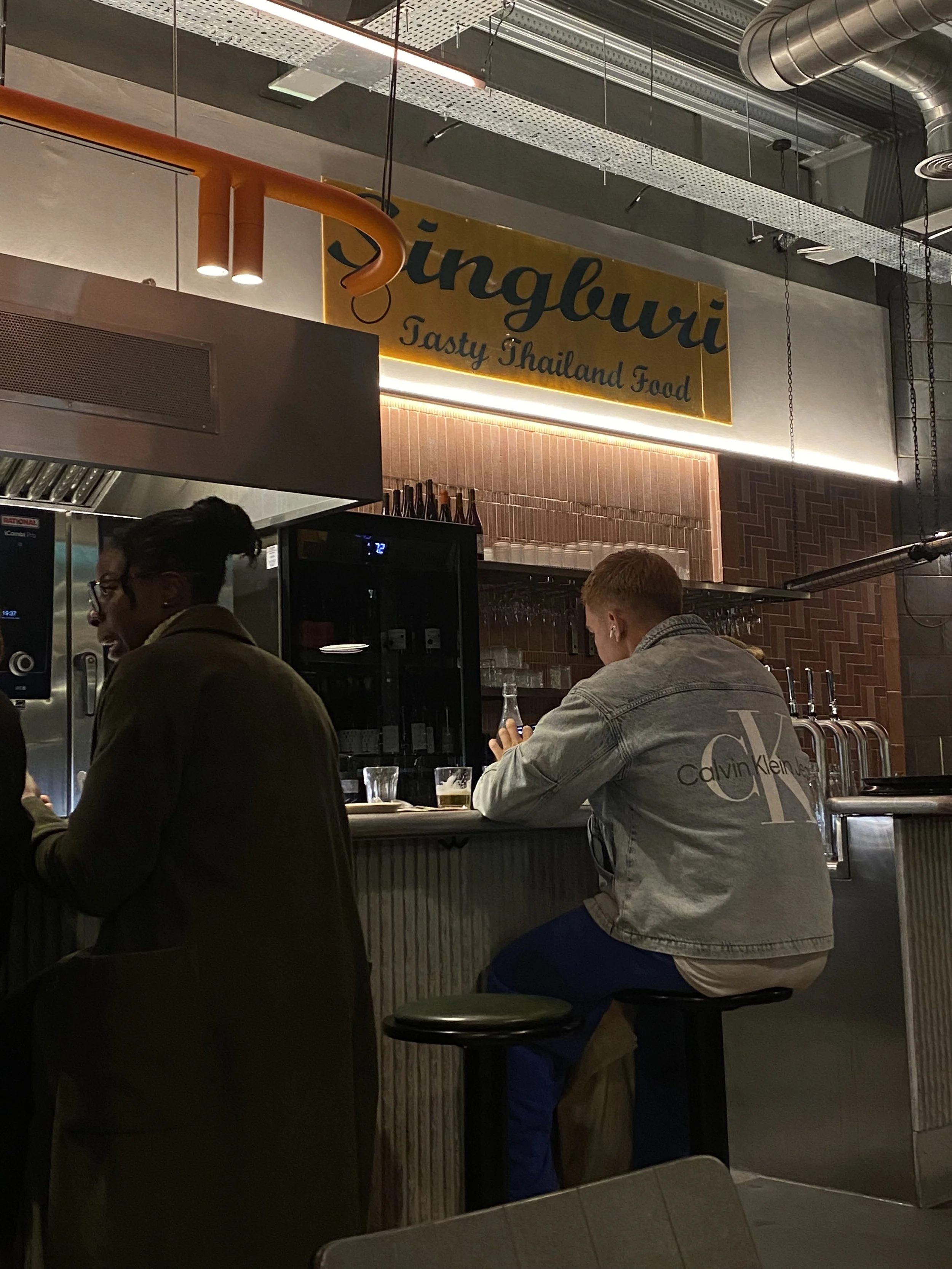
The signature yellow sign
When I read a glossy review describing the old space as “no-frills” and celebrating its sleek replacement, it felt too simple. Singburi 1.0 was never about décor. It was about the quiet friction between effort and reward — travelling across the city for something made by hand, in a place that did not try to impress you.
London does not lack another polished, successful restaurant. What it has lost is something harder to recreate: a place that did not know it was a legend.
最近终于去了重新开业的 Singburi,心情复杂。
老伦敦人想必都知道,Singburi 2.0版本今年重新开业,称得上一件城中热事。六月营业以来,至今一桌难求,订位难度堪比大热米其林。
Singburi 1.0 是一种都市传说。它藏在Leytonstone,不方便,也不好找,从伦敦一区过去往往得花上个把钟头。我当时住在 Tottenham,疫情期间,常挑个周末坐巴士晃过去。每日菜单是用粉笔写在黑板上的,Instagram 简陋得像爸妈随手拍的图,有时看到当天居然有炒兔肉,就会推开其他计划专程去打包。
这家经营了二十五年的泰国小餐馆,由 Tony 和 Thelma 两夫妻经营:位置远,不提供饮品,不收卡,菜单不固定,服务在英国人口中“差劲”,还时不时任性长时间闭店。几乎所有亚洲餐厅在英国会被挑剔的地方,它全占了。(而我们老中都知道,但凡在谷歌地图看到来自欧美人评价亚洲餐厅服务差,你几乎能断定它的味道一定不错——3.0分+服务差是挑选亚洲餐厅的标准。)
但正是这种质朴,加上认真、手工、新鲜、现炒,还有可负担的价钱,让 Singburi 在伦敦餐饮界呈现一种邪典般的独特存在。
Singburi 2.0 搬到了时髦人聚集的 Shoreditch,离家走路二十分钟不到,确实更方便了。整个空间工业感十足:开放式厨房,水磨石地板,落地窗,明亮、现代。老式木桌没有了,剩下唯一保留下来的,是那块黄色招牌。
菜单短小精悍,分量是如今流行的小盘;调性像是所有Shoreditch潮流餐厅的模板。味道仍然不错。许多人可能会说:“味道不错还挑什么?”
2.0 由主厨 Sirichai(Tony 和 Thelma 的儿子)与 Nick Molyviatis、Alex Gkikas 共同经营。查了一下,Nick 是 Kiln、Smoking Goat 优秀的前主厨,也策划了希腊餐馆 Oma;Alex 是 Catalyst Cafe 联合创始人。两人的希腊背景使得餐厅首次拥有了自己的酒单,与雅典的两家世界 50 佳酒吧合作。这些都很专业、很潮流、也很成功。
我不想谴责士绅化,商业运作本来就是城市更新的一部分。
但我很不甘,问题在于:Singburi 2.0 变得与伦敦所有成功的新派亚洲餐馆越来越像——Som Saa、Kiln、Speedboat、Kolae……它进入了同一个叙事、同一个视觉、同一类杂志报道。 然而 Singburi 1.0 是不同的。它不是一个应该被“升级”的项目,曾经的它是一种反现代、反策展、反过度精致的朴素抵抗;是一家伦敦越来越难找到的亚洲家庭餐馆;是一段你曾经穿越城市、为了一盘现炒美食奔赴的旅程。
Tony 和 Thelma 现在享受着退休生活,他们终于放下操劳了一辈子的小餐馆,这很温馨。但一部分的我,还是希望2.0能保留那种谦卑与真实的风格。
当Stella发给我Vogue写的评价: The once-impossible-to-book Leytonstone legend is now, thankfully, far more accessible following a move to buzzy Shoreditch. Gone are the no-frills interiors and homely vibes, replaced with something far more sleek and industrial: exposed brickwork and stainless steel countertops, though the iconic original yellow sign has been preserved.
我俩忍不住破口大骂。太白,太轻率,太高高在上, Singburi 1.0 的价值,从来不是装修或距离。
时代喧哗造物忙,我真正惋惜的是: 伦敦餐饮不缺少一个Singburi 2.0, 而伦敦永远失去了独特的Singburi 1.0。