Two Week’s Road Trip Guide to Northwest Yunnan, China
Last September, I had the chance to take a road trip through northwestern Yunnan — a route that remains one of the most visually diverse and rewarding in China. Over less than two weeks, the journey moves from lakes and highland towns to snow mountains and deep river canyons, crossing multiple climate zones and cultural regions.
Despite its richness, much of the route still feels relatively untouched by mass tourism, especially once you leave the well-known stops behind.
Day 1 — Lijiang (Arrival)
Arrive in Lijiang, a historic town sitting on the edge of the Yunnan–Tibet plateau at around 2,400m. The old town, with its canals and wooden houses, offers an easy introduction to the region. Take the day slowly to adjust to altitude and prepare for the road journey ahead.
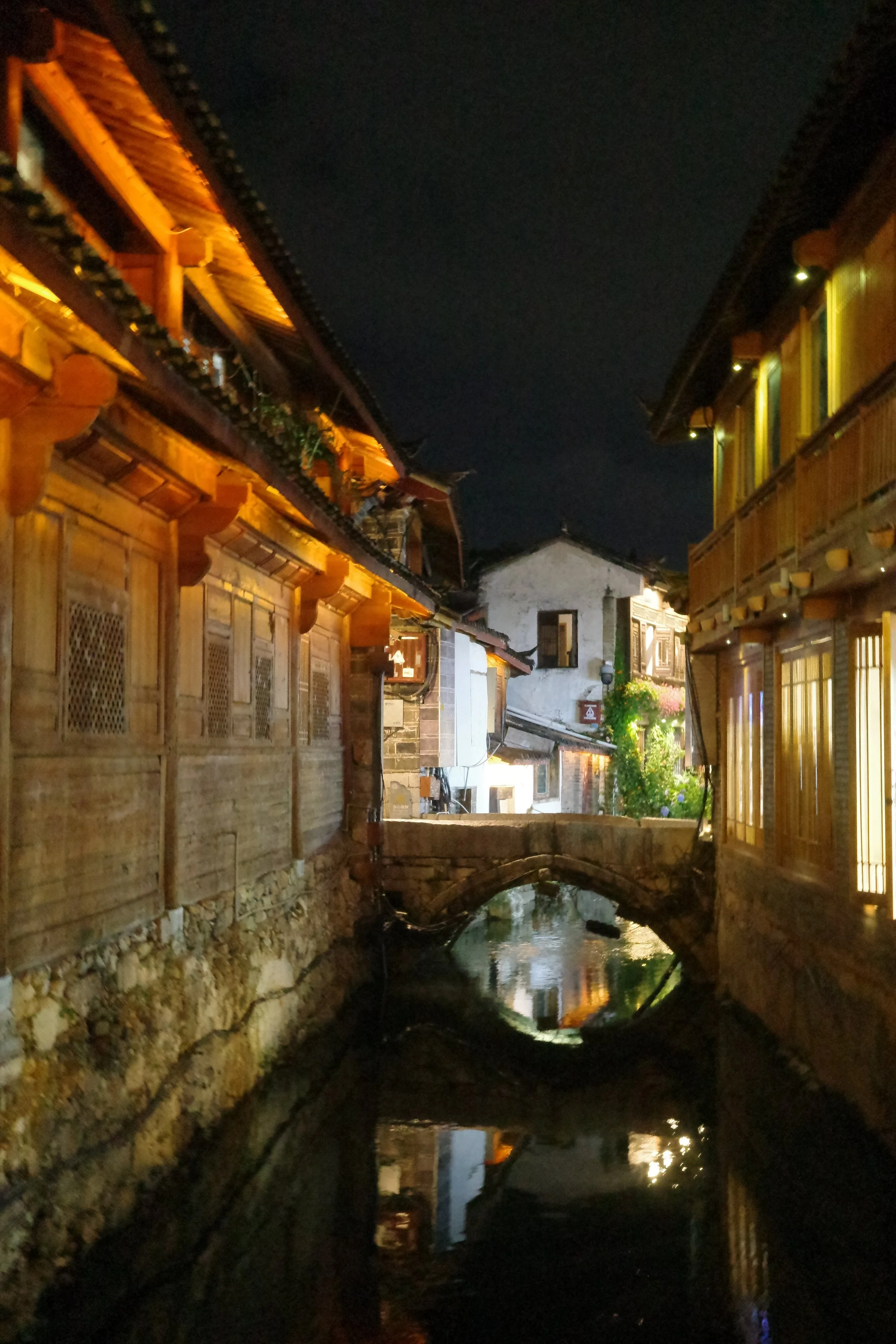
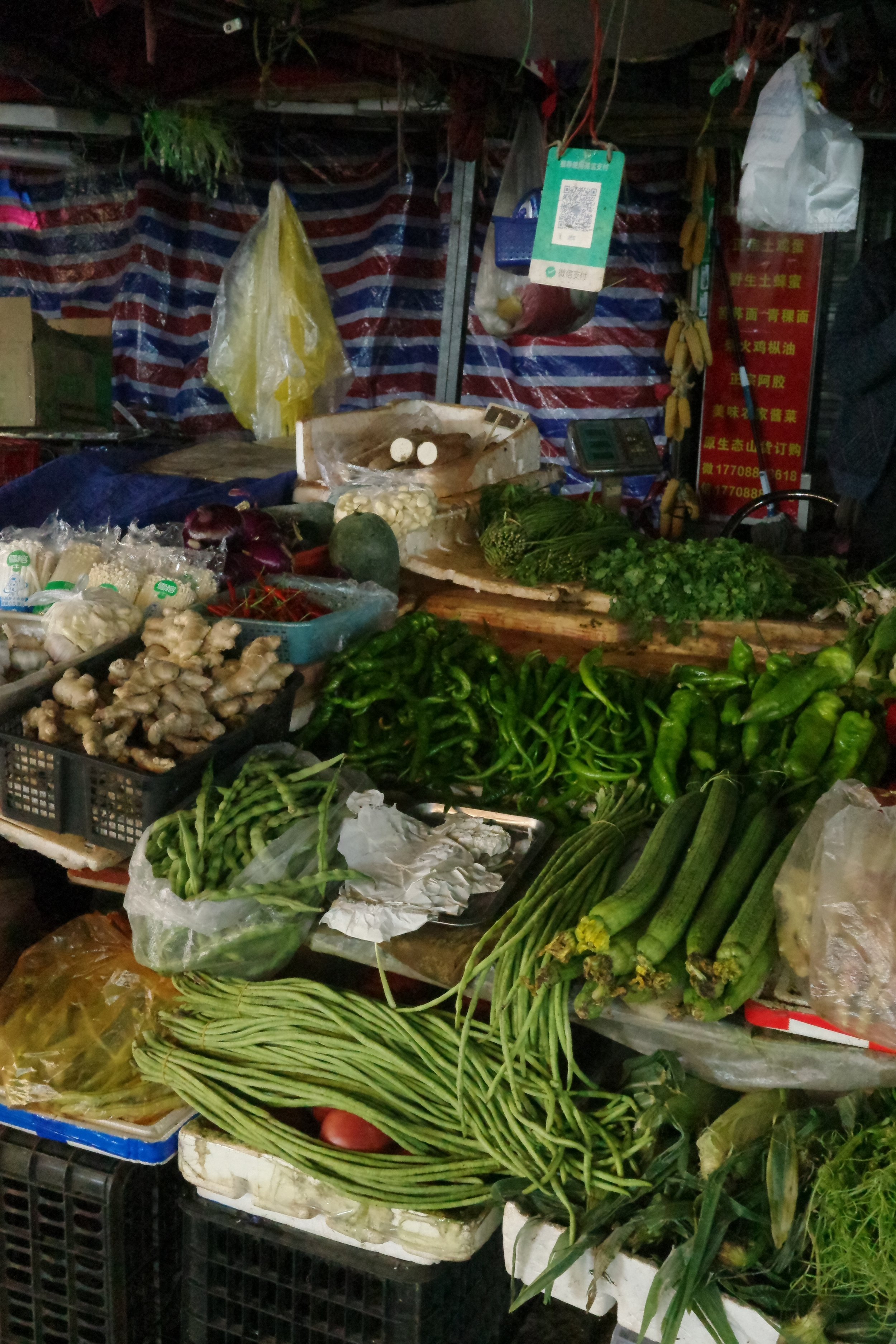
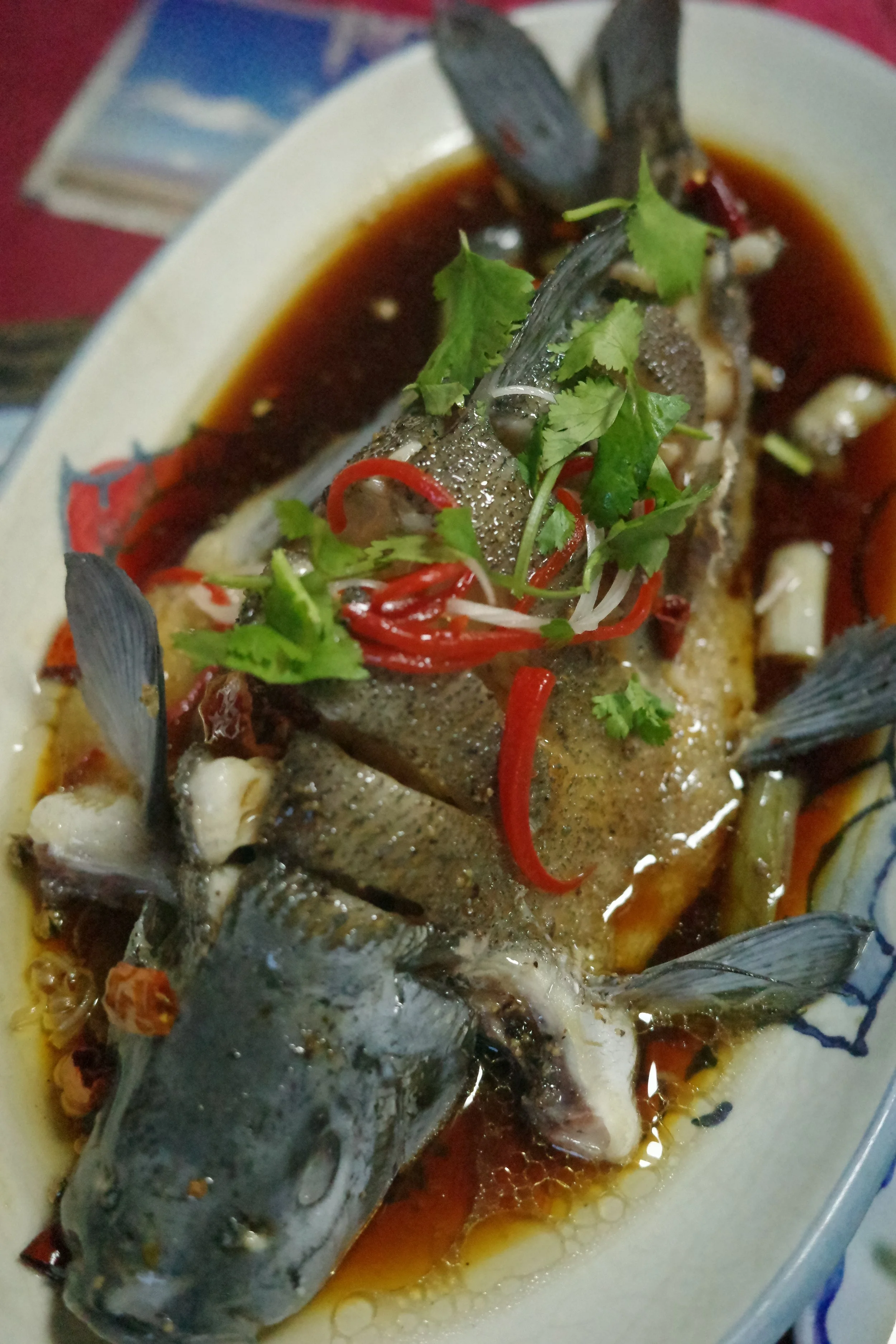
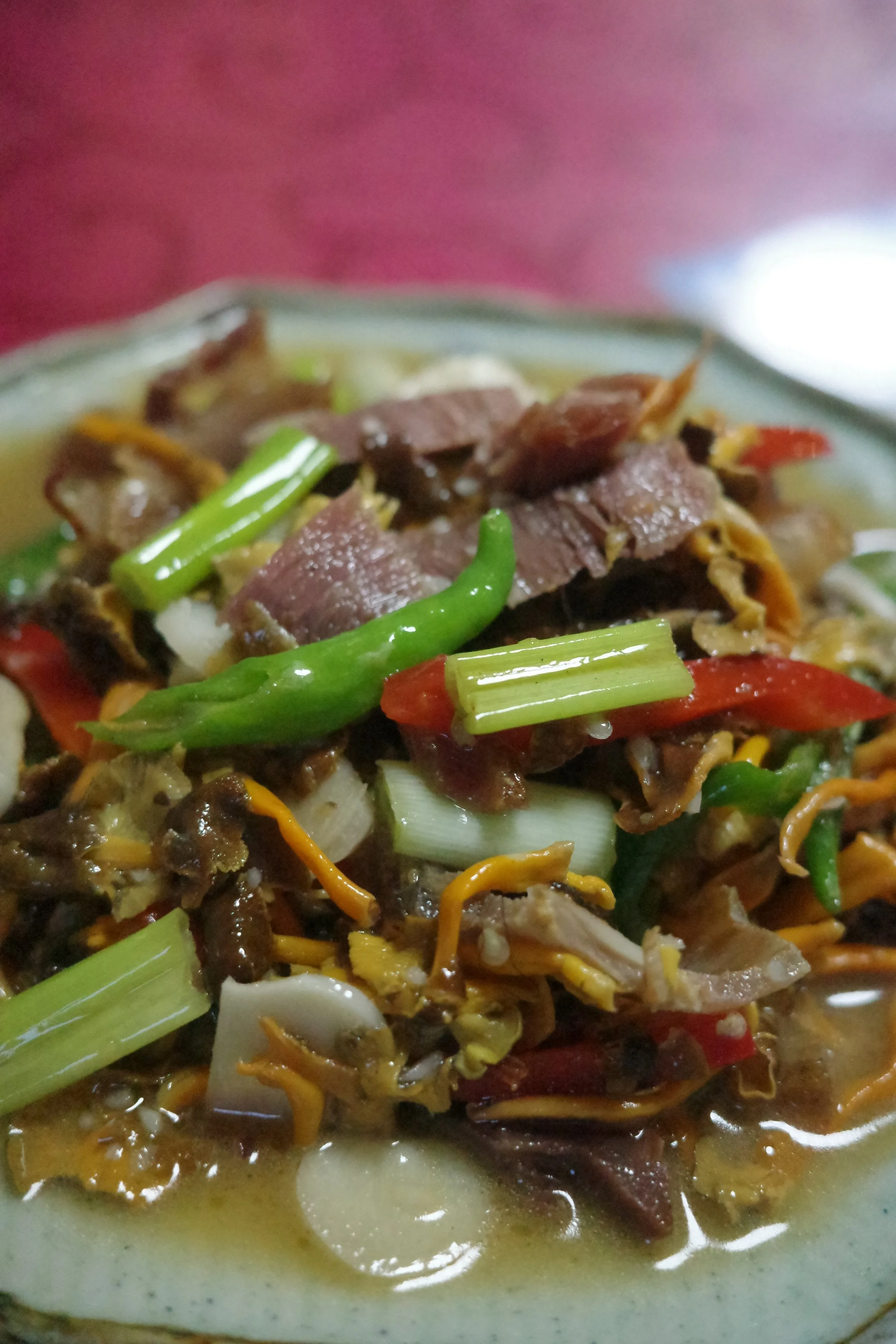
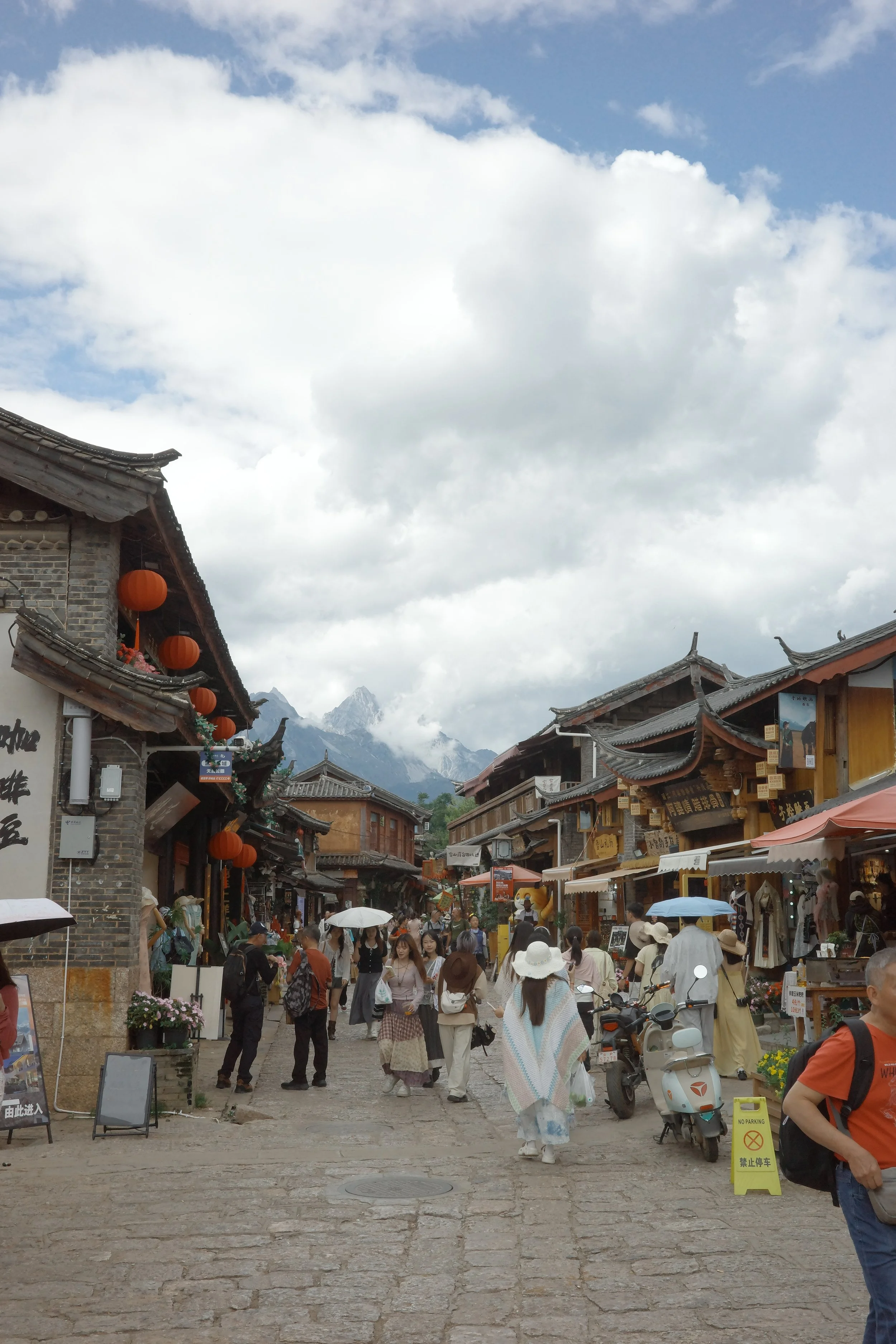
Having last visited more than fifteen years ago, what stands out most is not the architecture, but the shift in atmosphere. Back then, corners of the old town played folk songs, and bars drifted with loose, unpolished melodies. The streets were filled with a certain backpacker aesthetic — handmade clothes, a kind of improvised bohemianism.
Today, that texture has almost entirely disappeared. Folk music has given way to loud, algorithm-friendly pop; bar stages are occupied by performers whose routines feel closer to short-video livestreams than live music. The streets are no longer dotted with drifters, but with carefully styled visitors in rented ethnic costumes, moving from one photo setup to another.
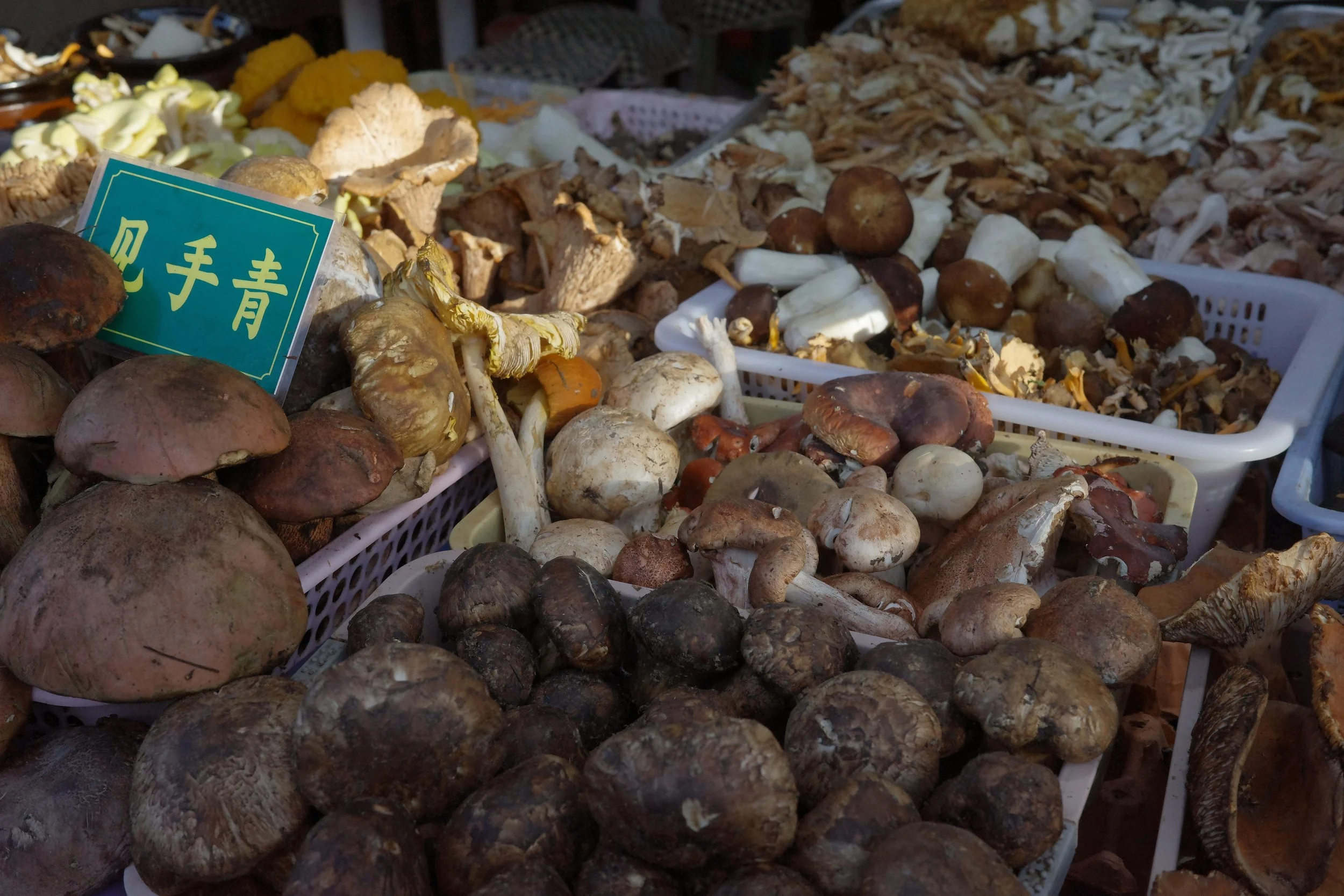
There is still some consolation. Following an old Lonely Planet instinct into the alleys, I found a small restaurant that has been there for over thirty years. A simple dish of fresh wild mushrooms was enough to suggest that the town hasn’t entirely given itself over — though it may not be far from it.
Day 2 — Lijiang → Lugu Lake
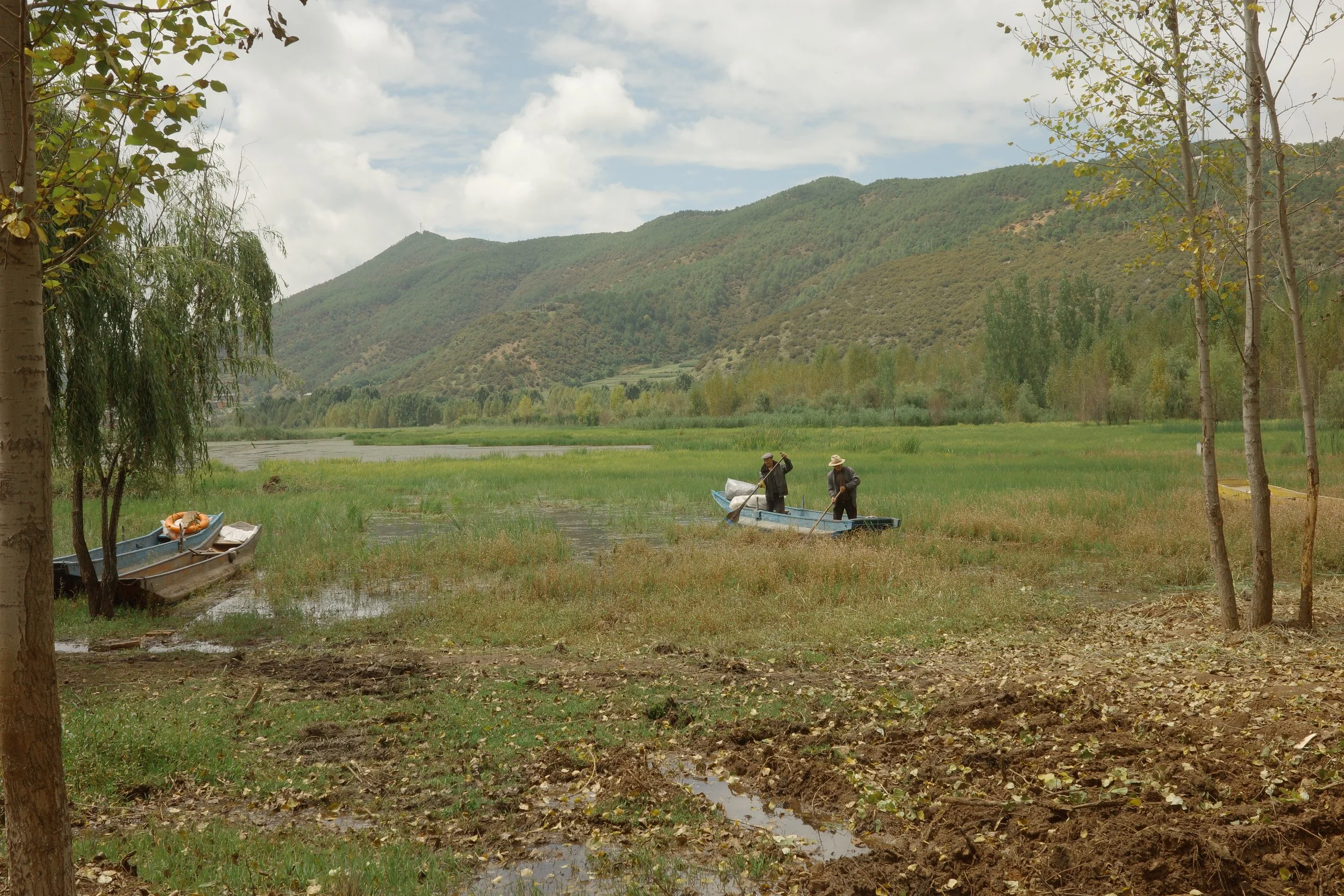
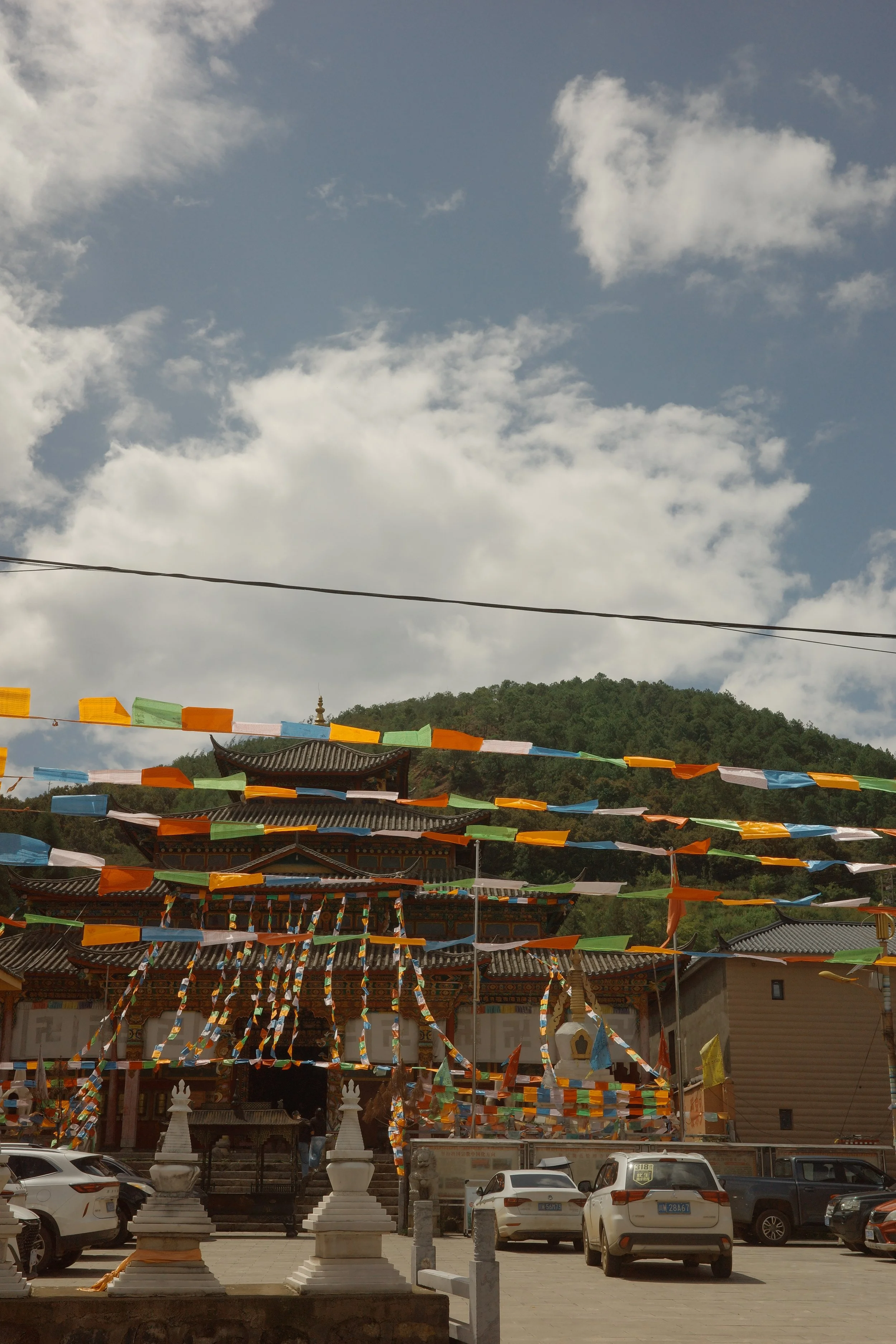
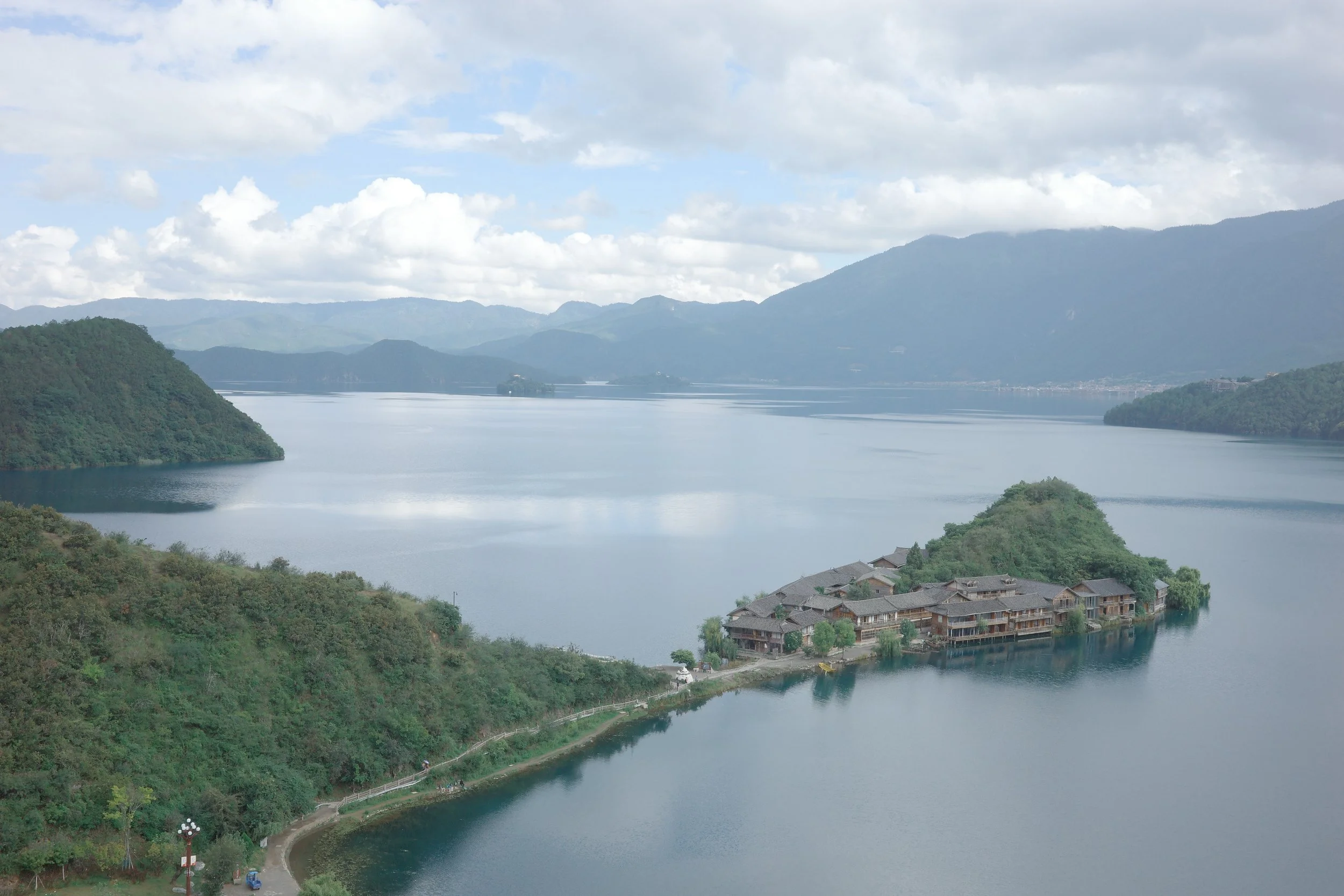
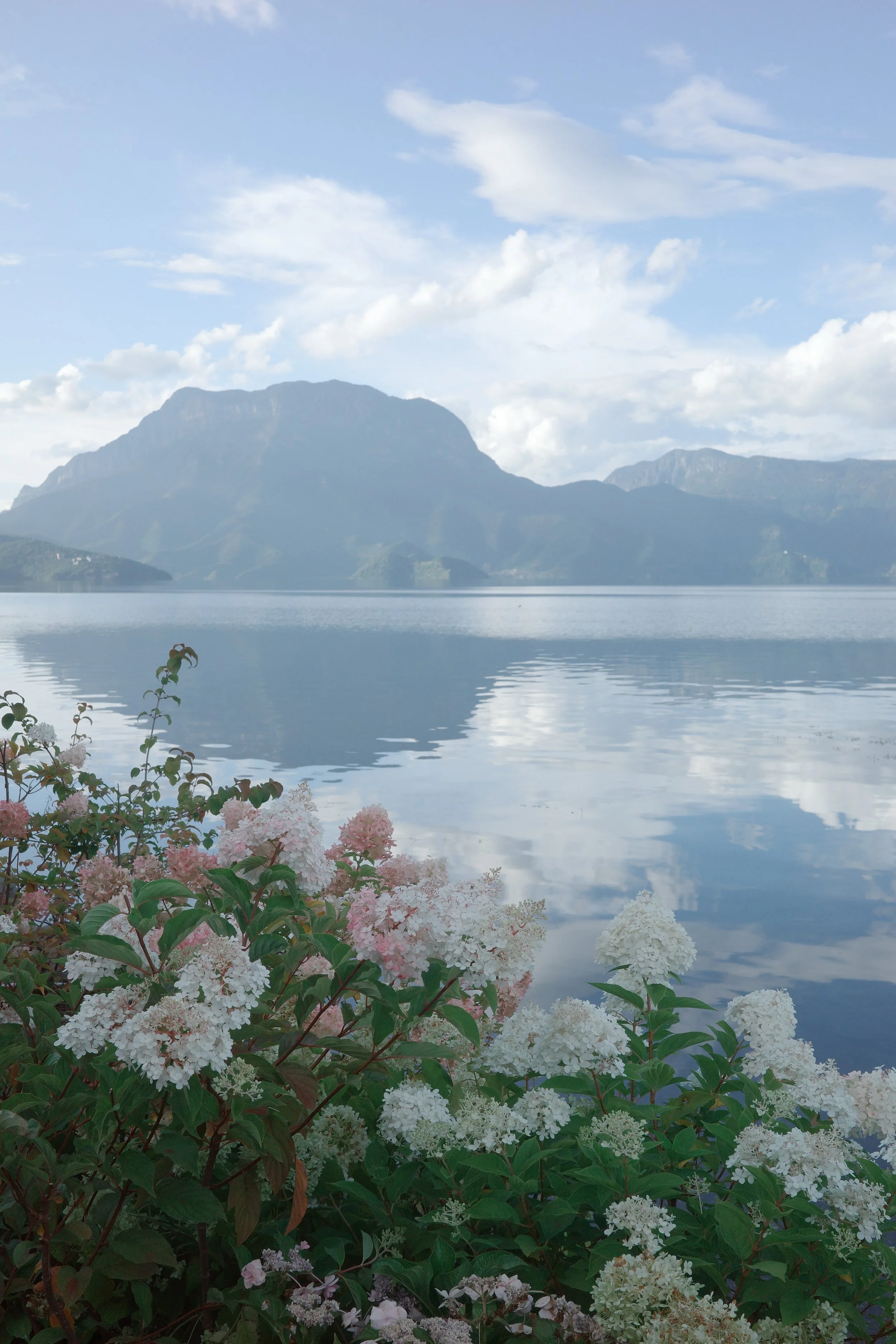
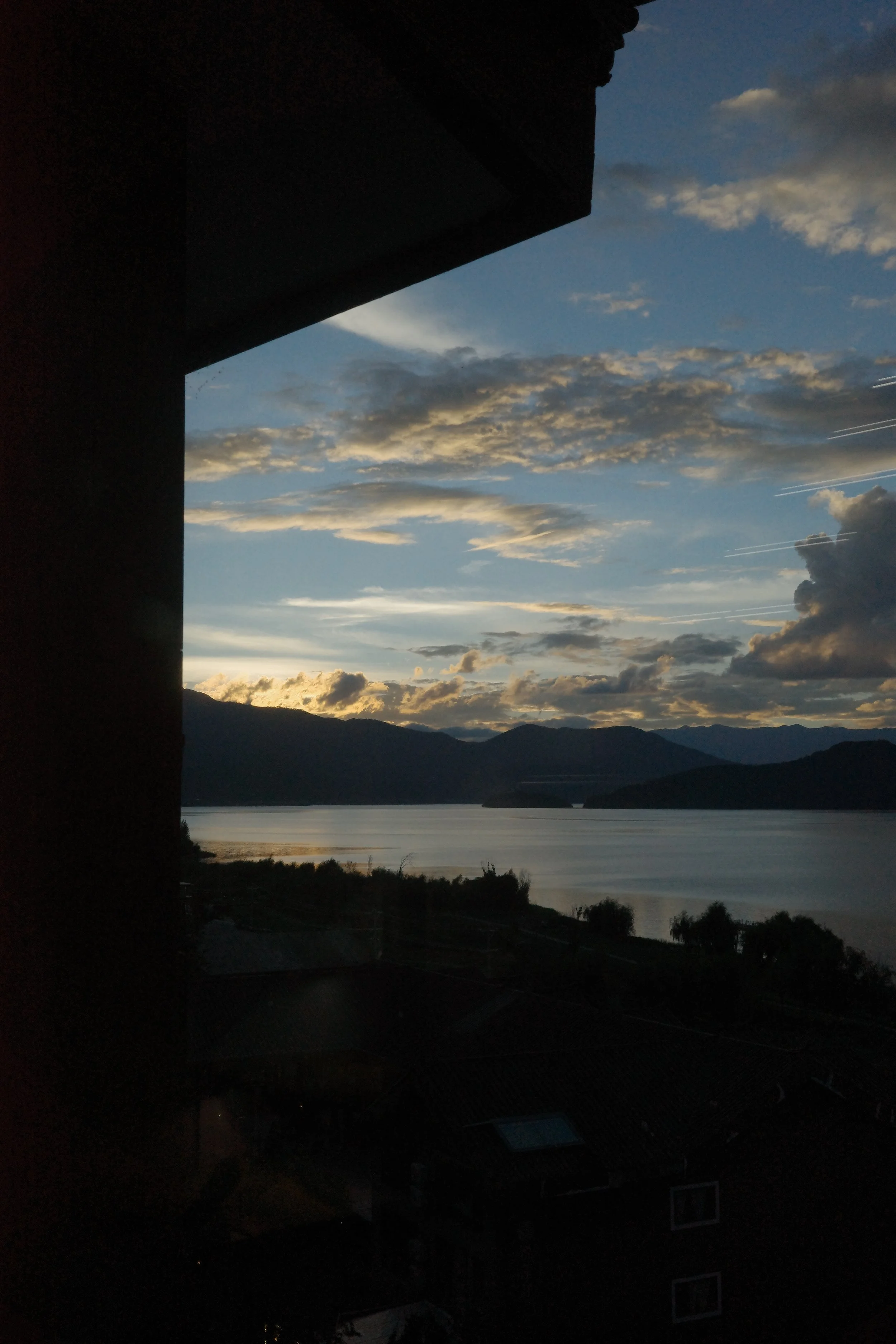
Drive 4-5 hours northwest along mountain roads toward Lugu Lake, near the Sichuan border. The route gradually climbs through forested hills before opening up to the lake basin. Lugu Lake is known for its still waters and Mosuo villages, offering a quieter, more introspective landscape compared to Lijiang.
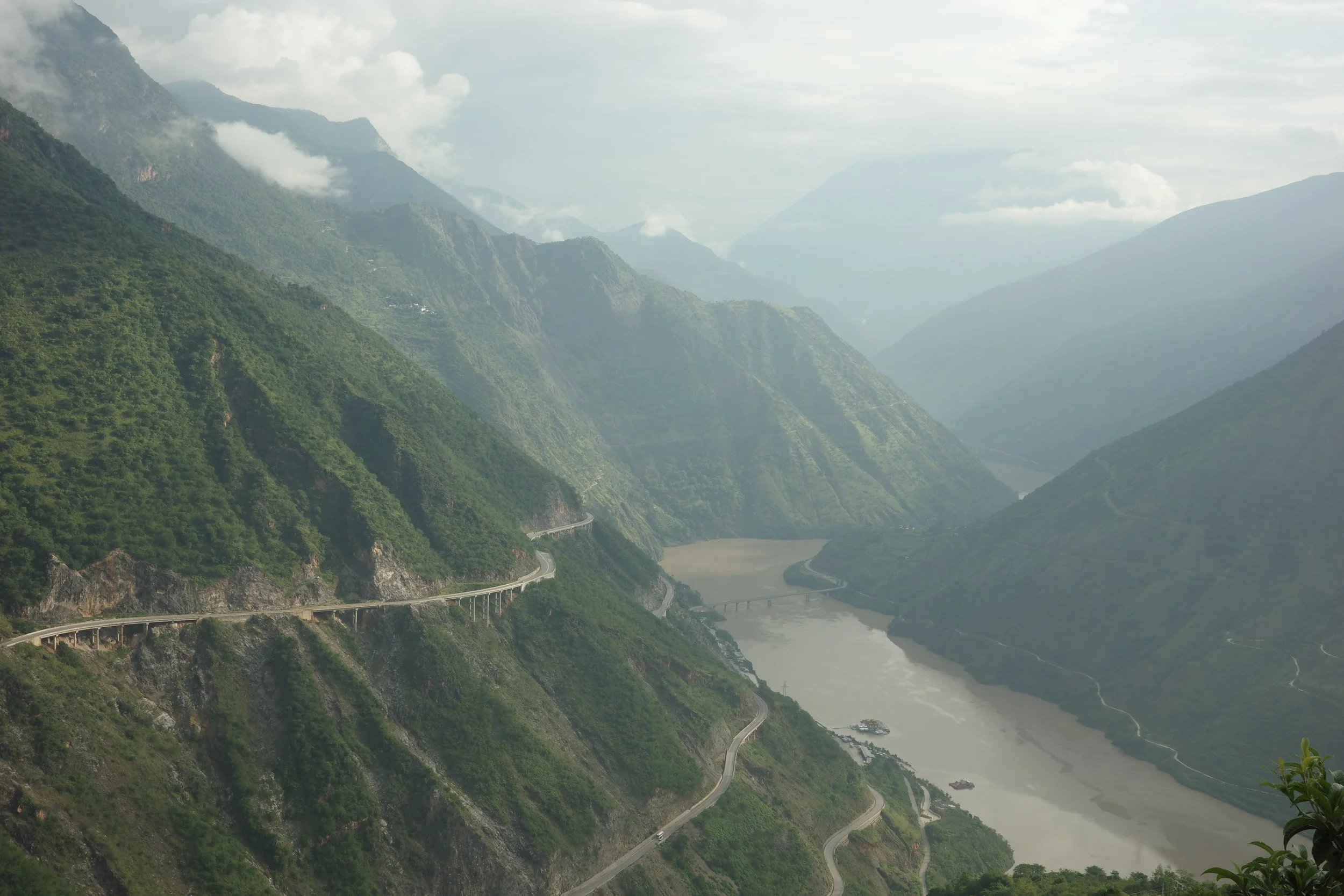
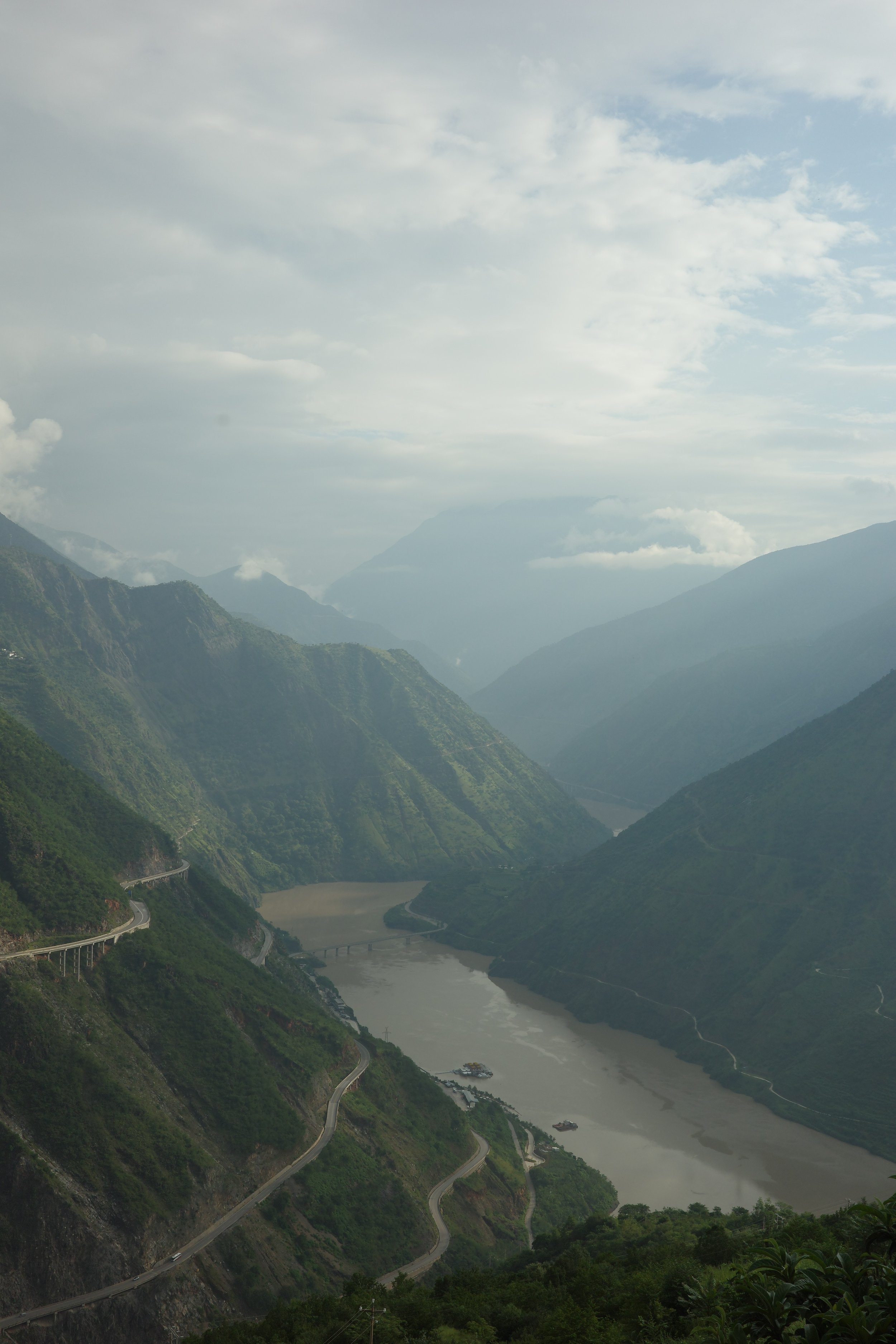
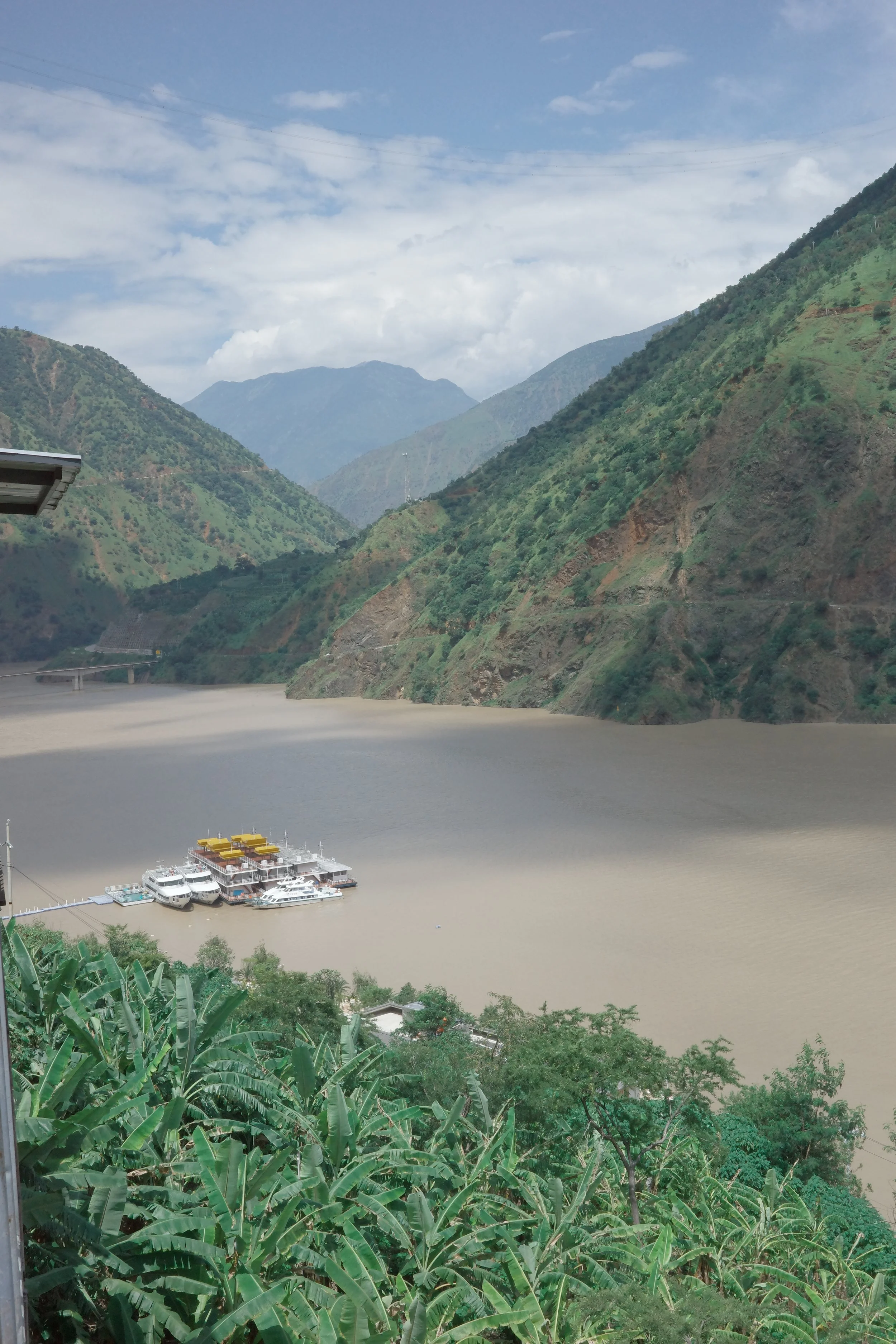
On the drive to Lugu Lake is the Jinsha River

Day 3 — Lugu Lake → Lijiang
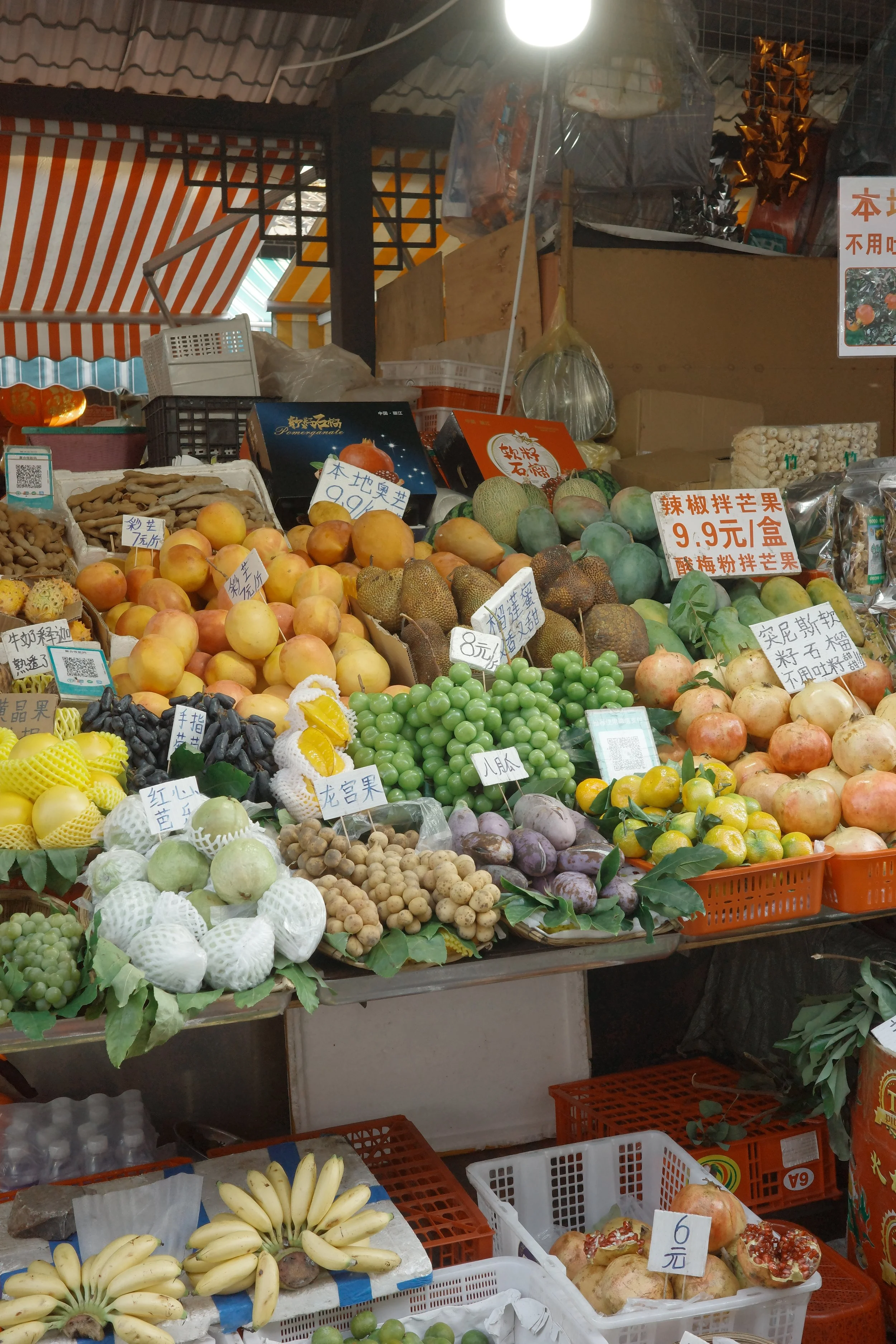
Return to Lijiang via the same mountain road. The reverse journey offers different perspectives of the terrain, with layered valleys and ridgelines becoming more apparent. Back in Lijiang, the altitude feels noticeably easier after time at the lake. September is the last season of wild mushrooms, don’t forget to treat yourself with a fungus feast.
Day 4 — Lijiang / Baisha Old Town
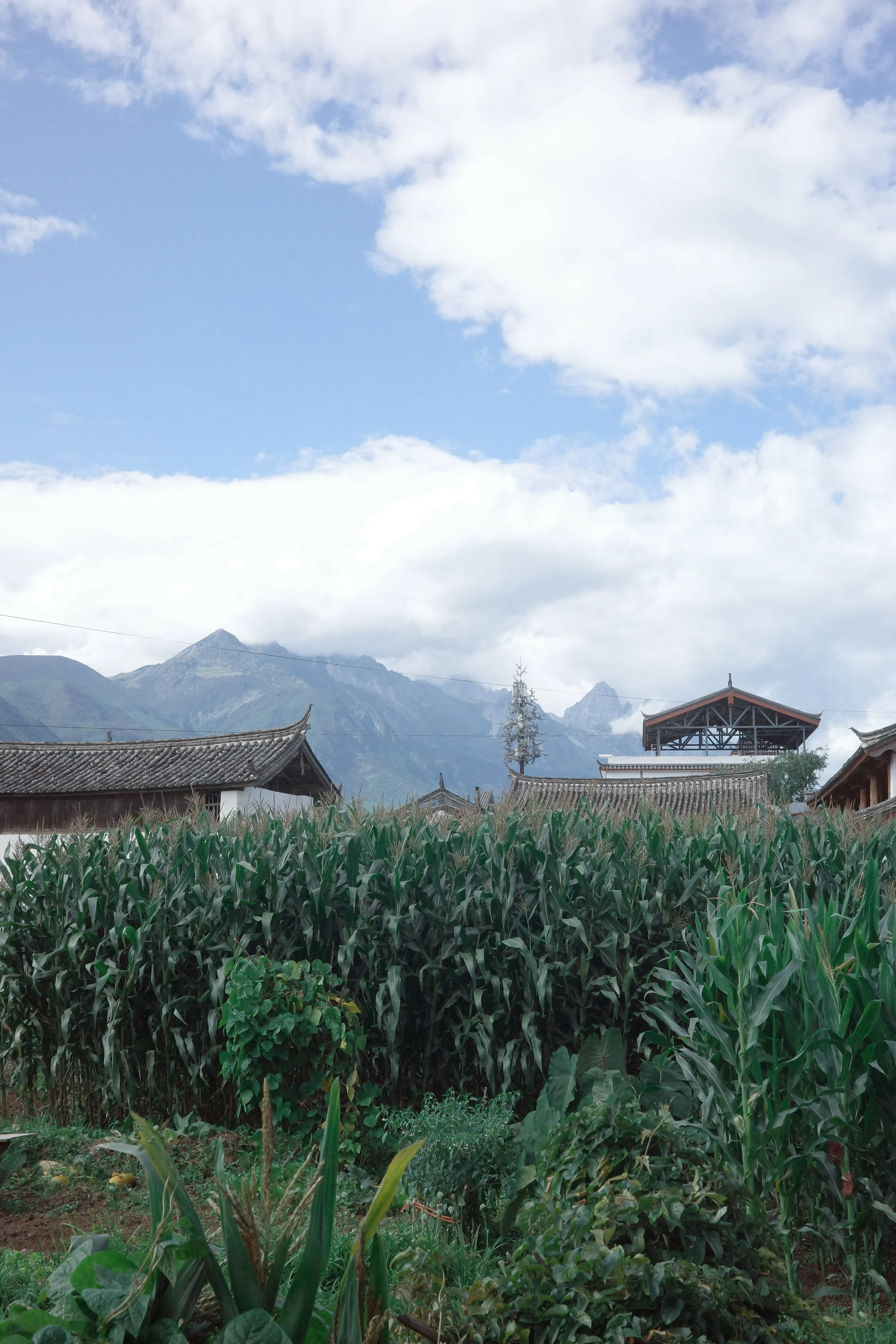
Before leaving, stop by Baisha Old Town, a quieter Naxi settlement at the foot of Jade Dragon Snow Mountain.
Day 5 — Lijiang →Shangri-La
Drive 3-4hours north along the G214 highway toward Shangri-La. The road follows river valleys and begins to rise into higher plateau terrain, marking a transition into Tibetan-influenced landscapes.
Shangri-La has no shortage of headline sights — including Pudacuo National Park, often presented as the region’s pristine showcase of lakes and forests. Having visited before, I chose not to spend much time there this time. The town, once tied to the idea of a remote “lost horizon,” now feels more structured around tourism, and some of that earlier sense of quiet distance has softened.
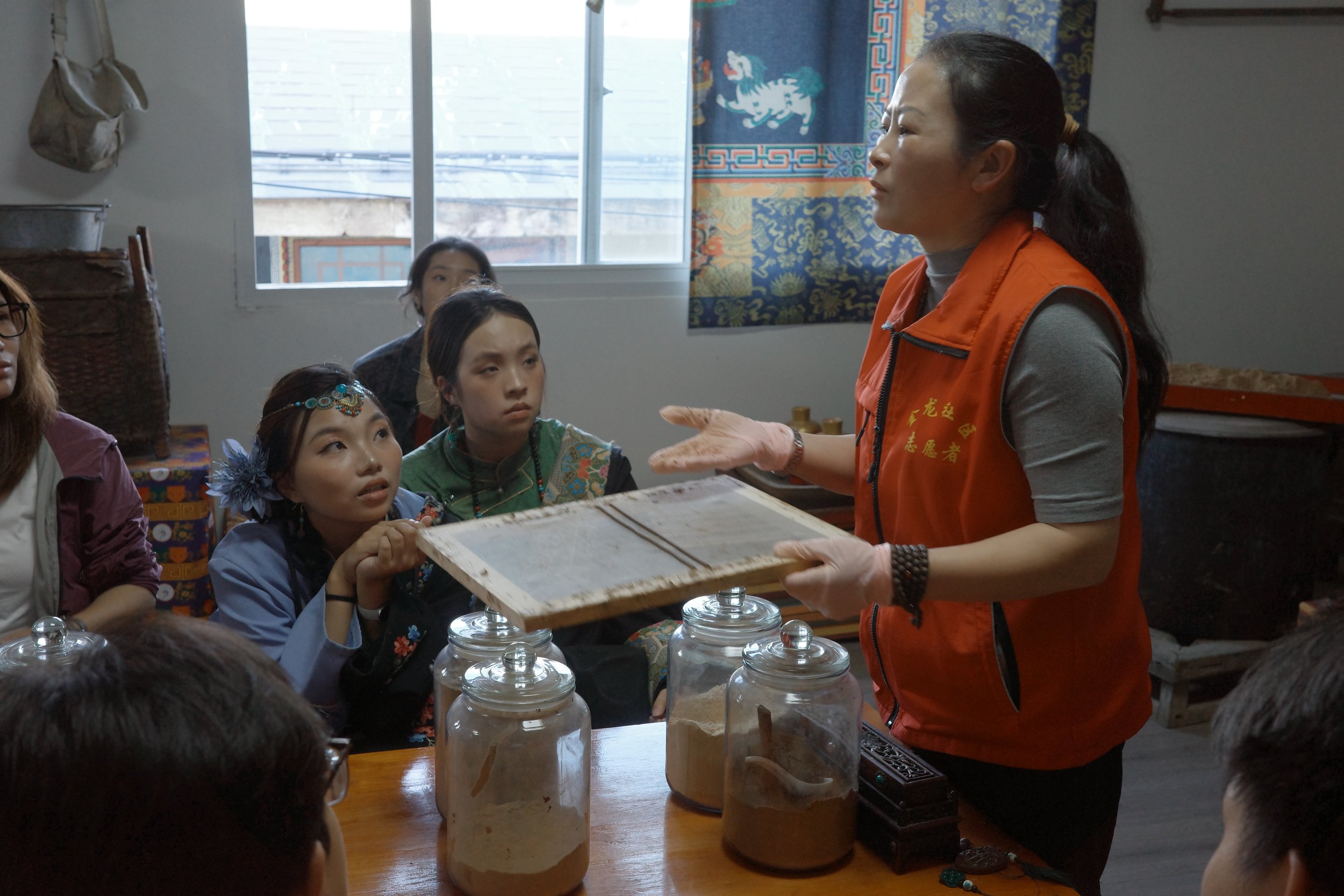
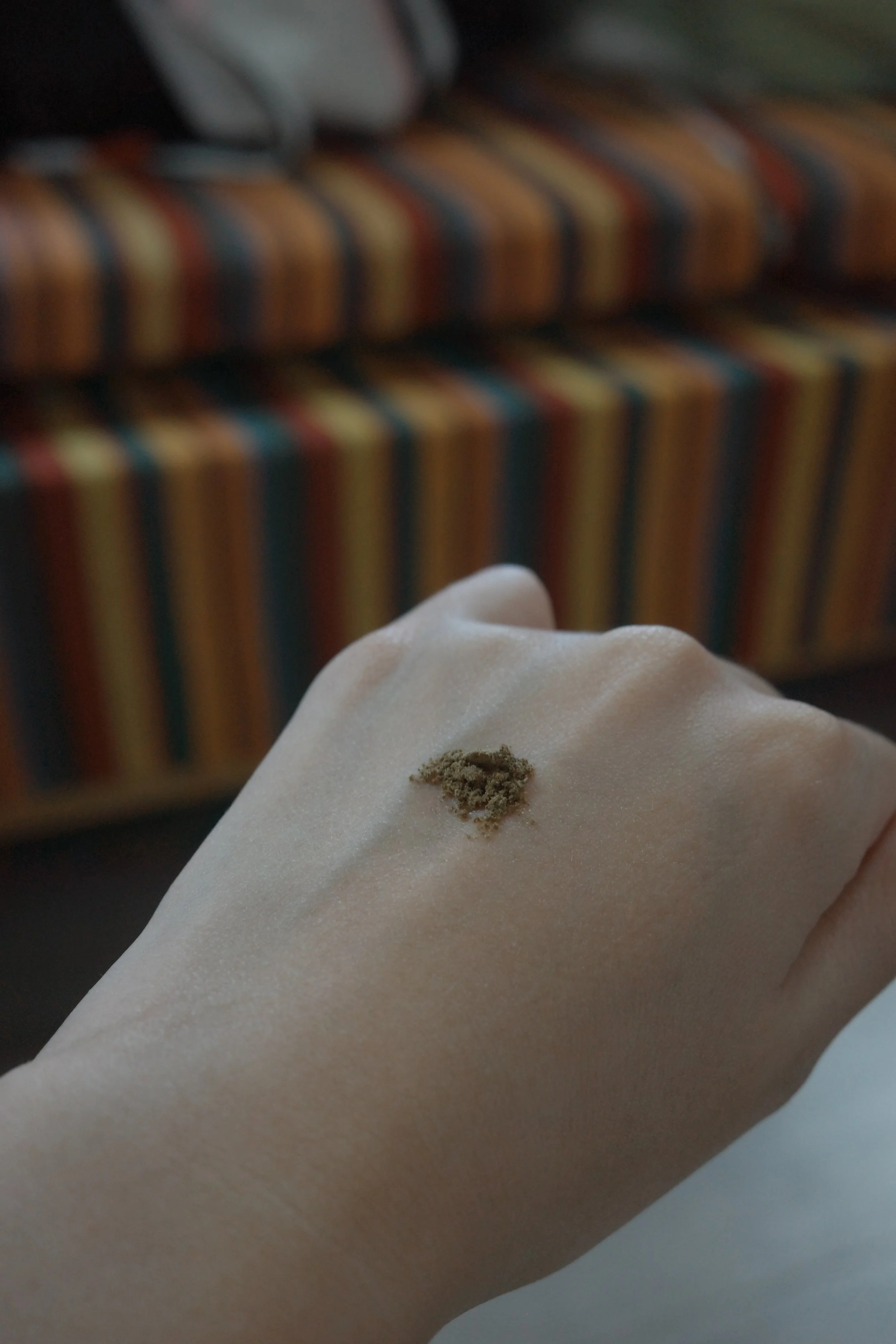
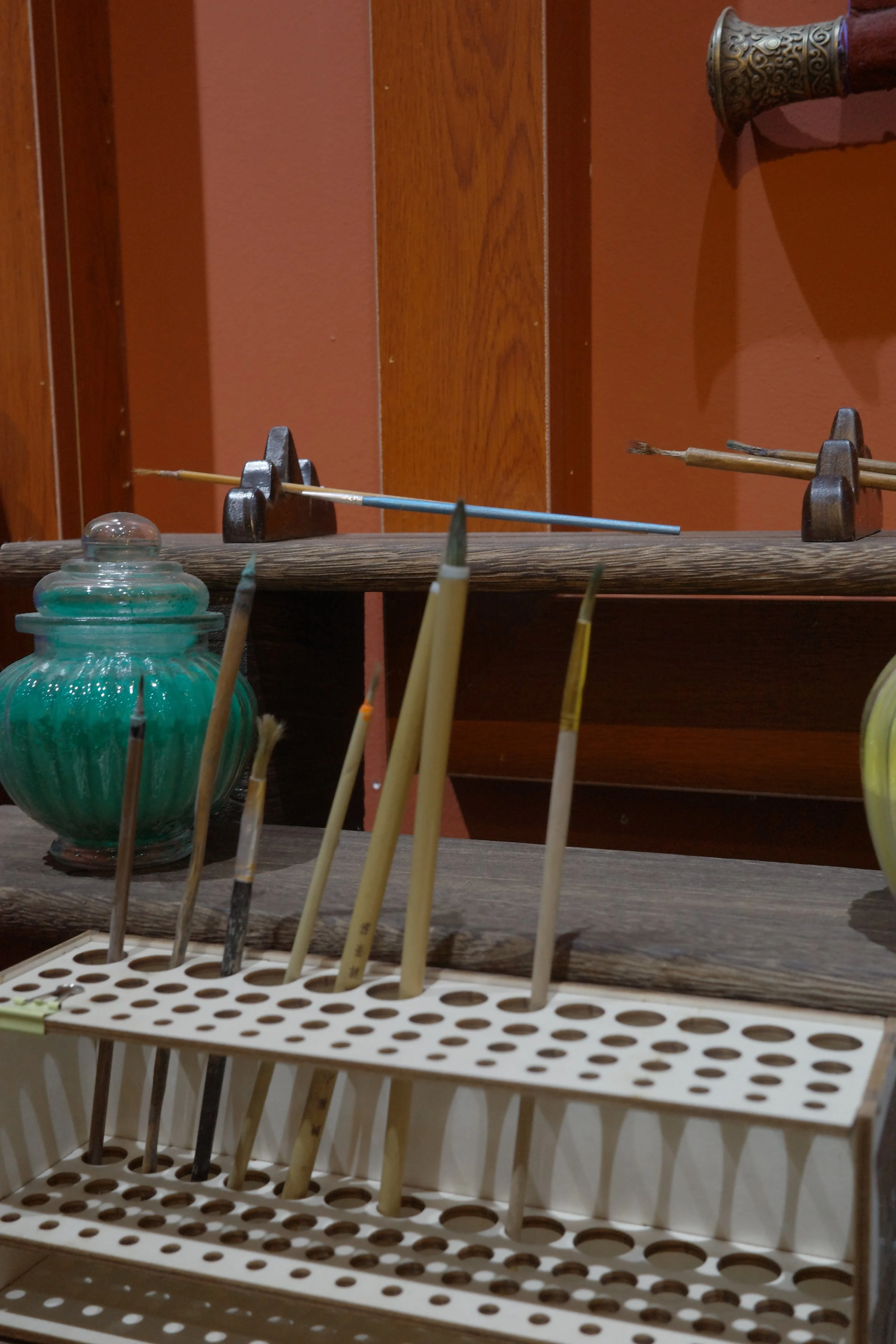
Instead, I spent a slower afternoon in a small Tibetan incense workshop. Traditional incense here is made from a blend of ground herbs and woods — juniper, sandalwood, and other local plants — pressed into fine sticks without chemical binders.
The process is tactile and surprisingly intimate, and in small quantities, the ingredients are even edible. I also tried painting a simple thangka, learning the basic forms and symbolism behind the patterns. It was a modest but grounding way to experience a different side of Shangri-La, away from its more crowded landmarks.
Day 6 — Shangri-La → Deqin (Meili Snow Mountain)
My most anticipated journey starts from today! Continue north on the G214 (Yunnan–Tibet Highway) toward Deqin. I stopped for lunch in Benzilan, once a key trading town, before continuing the gradual ascent over Baima Snow Mountain.
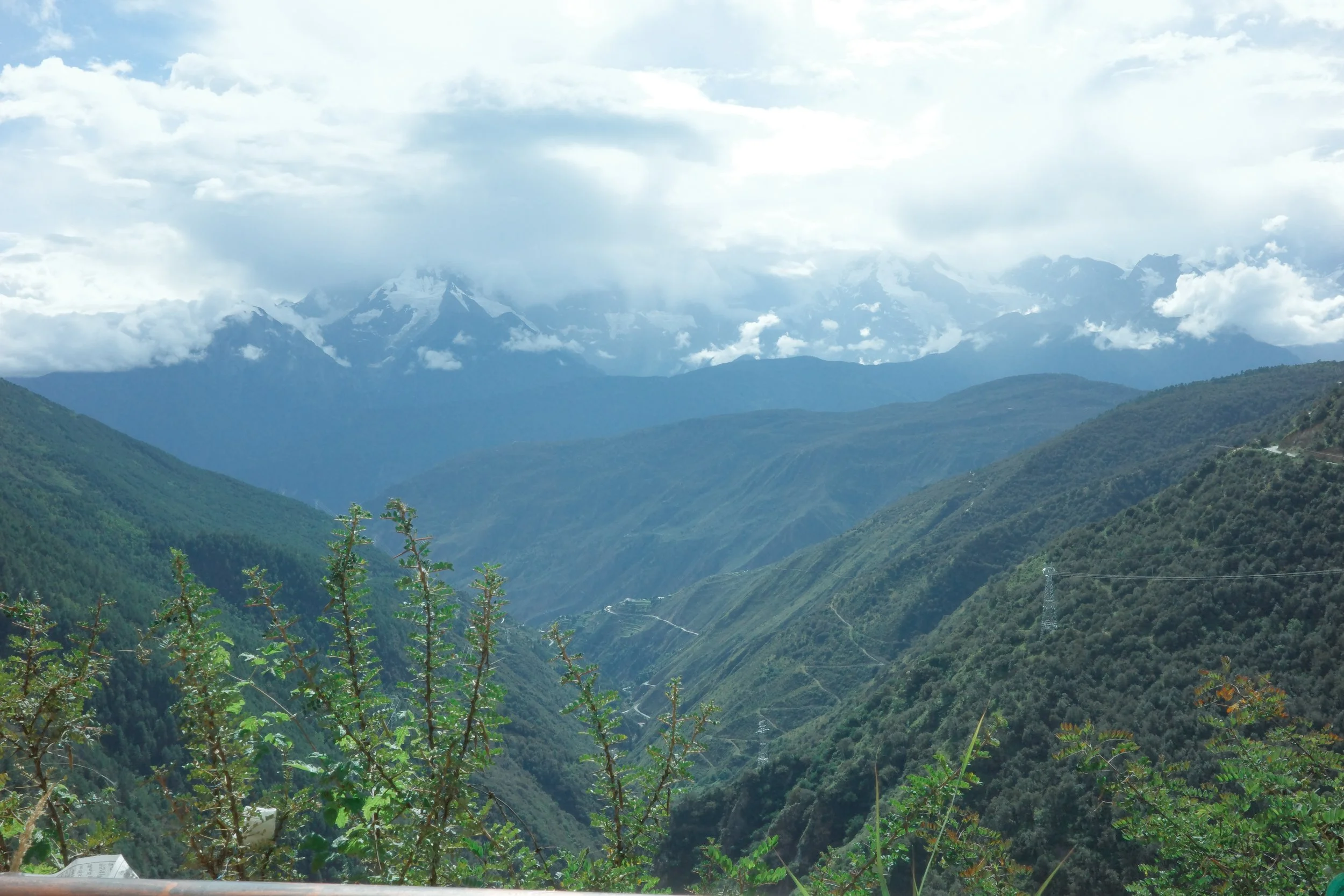
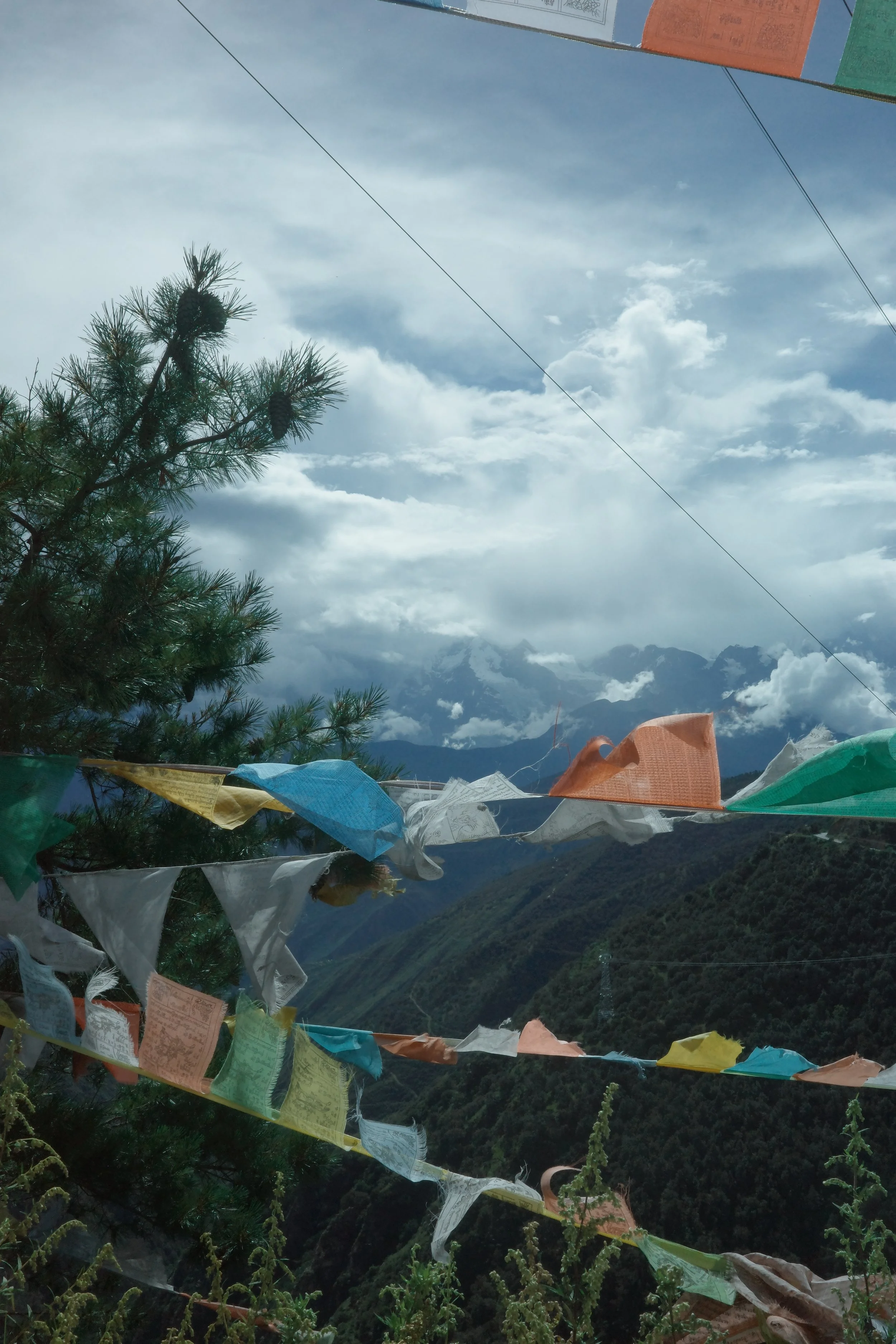
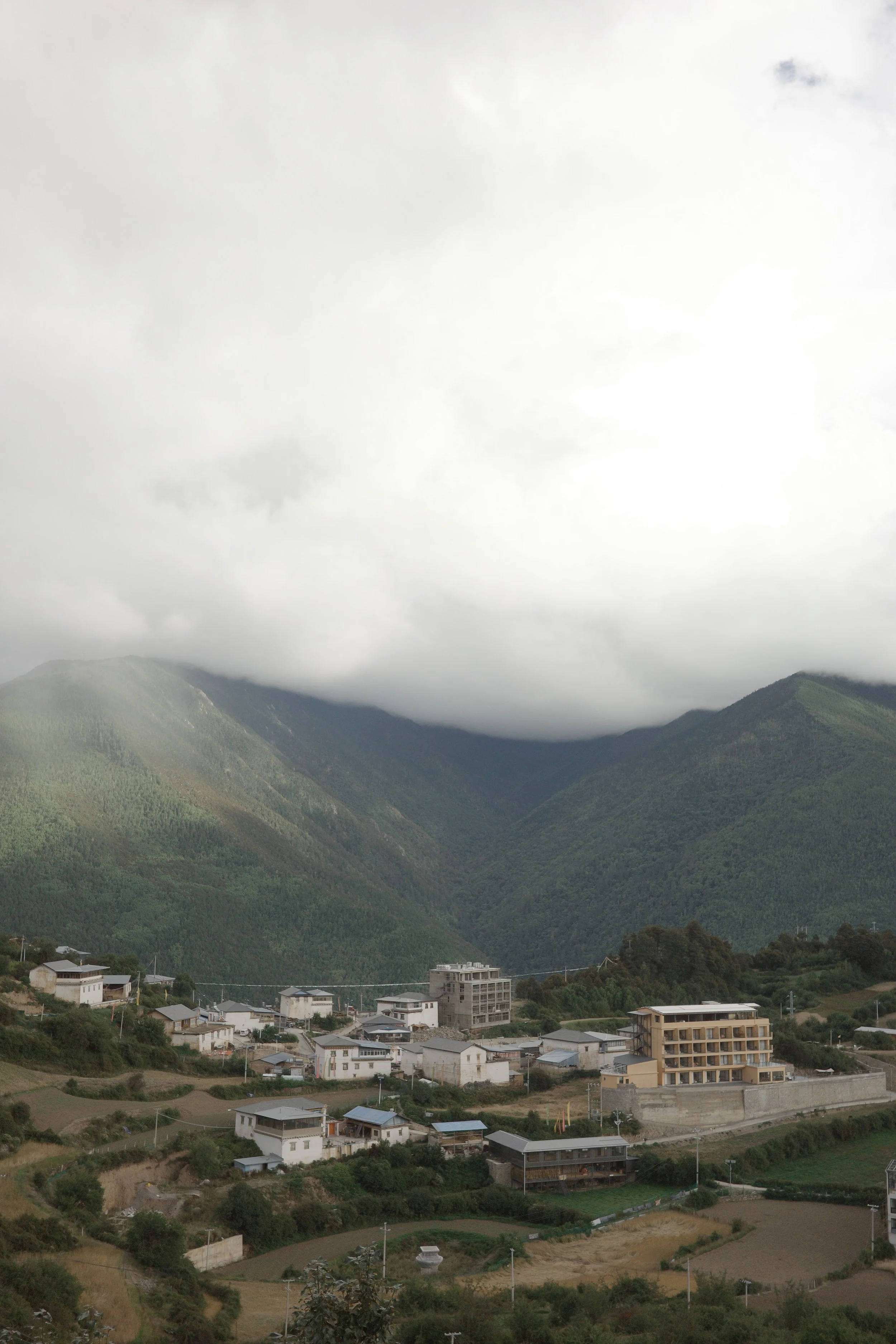
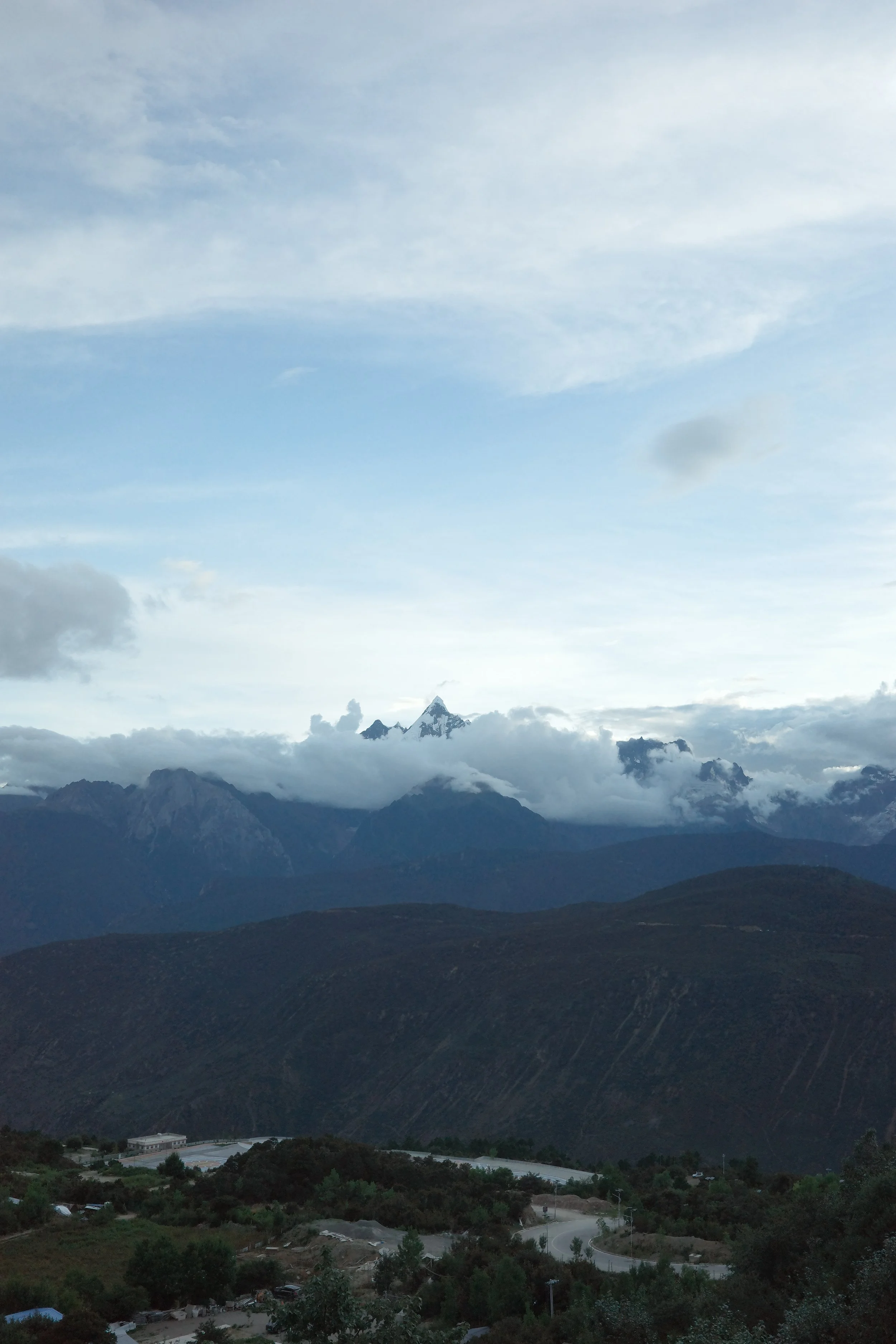
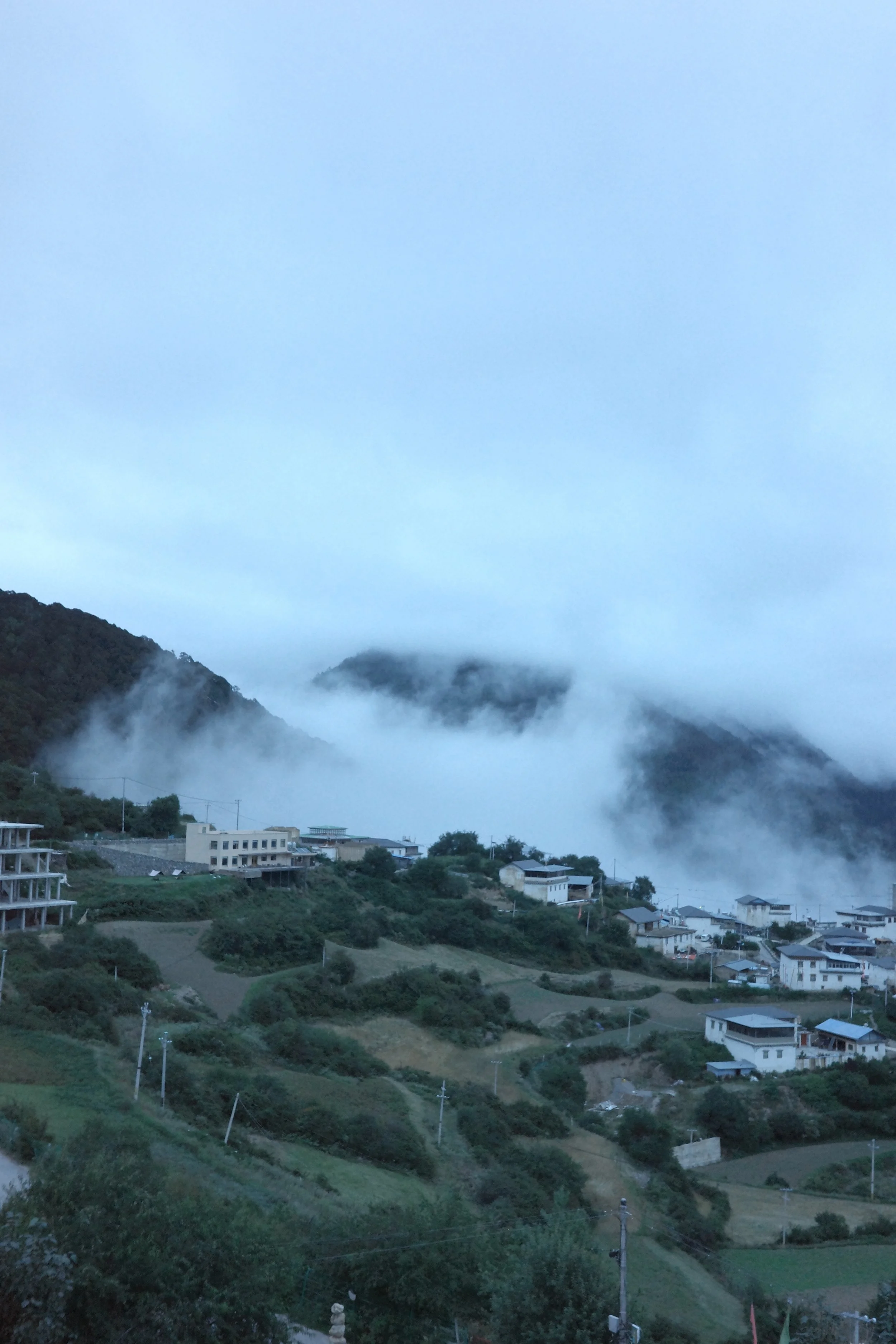
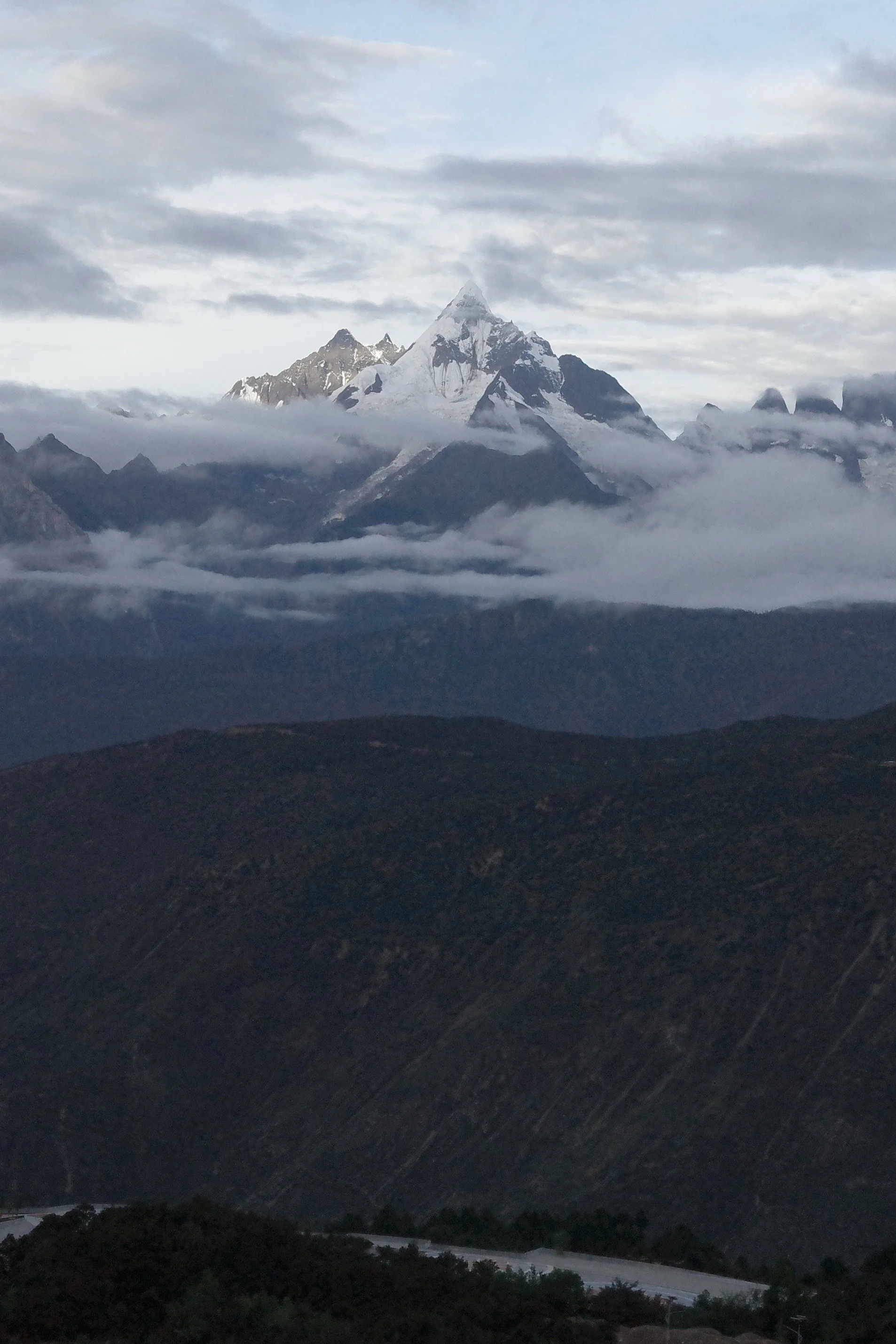
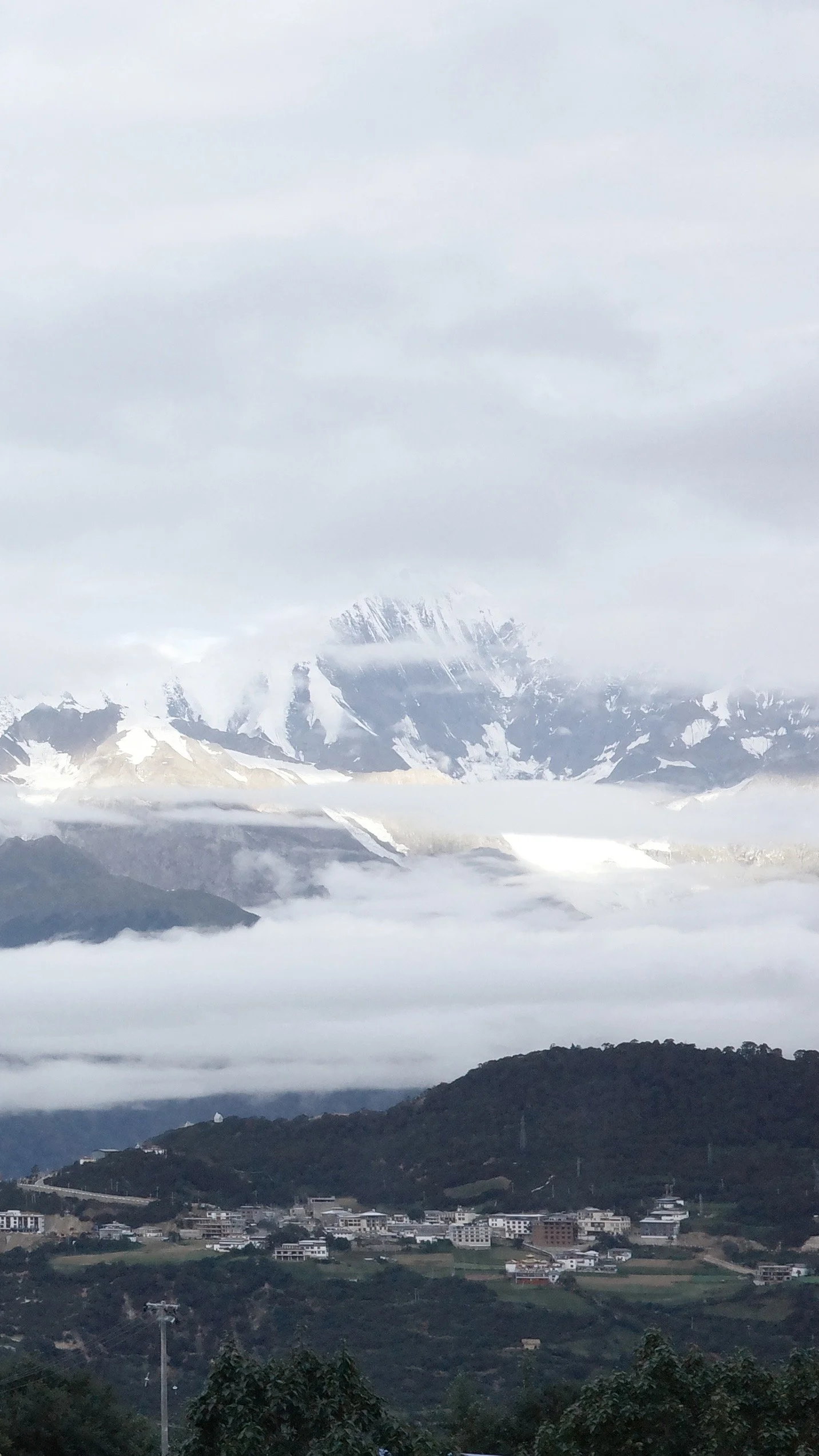
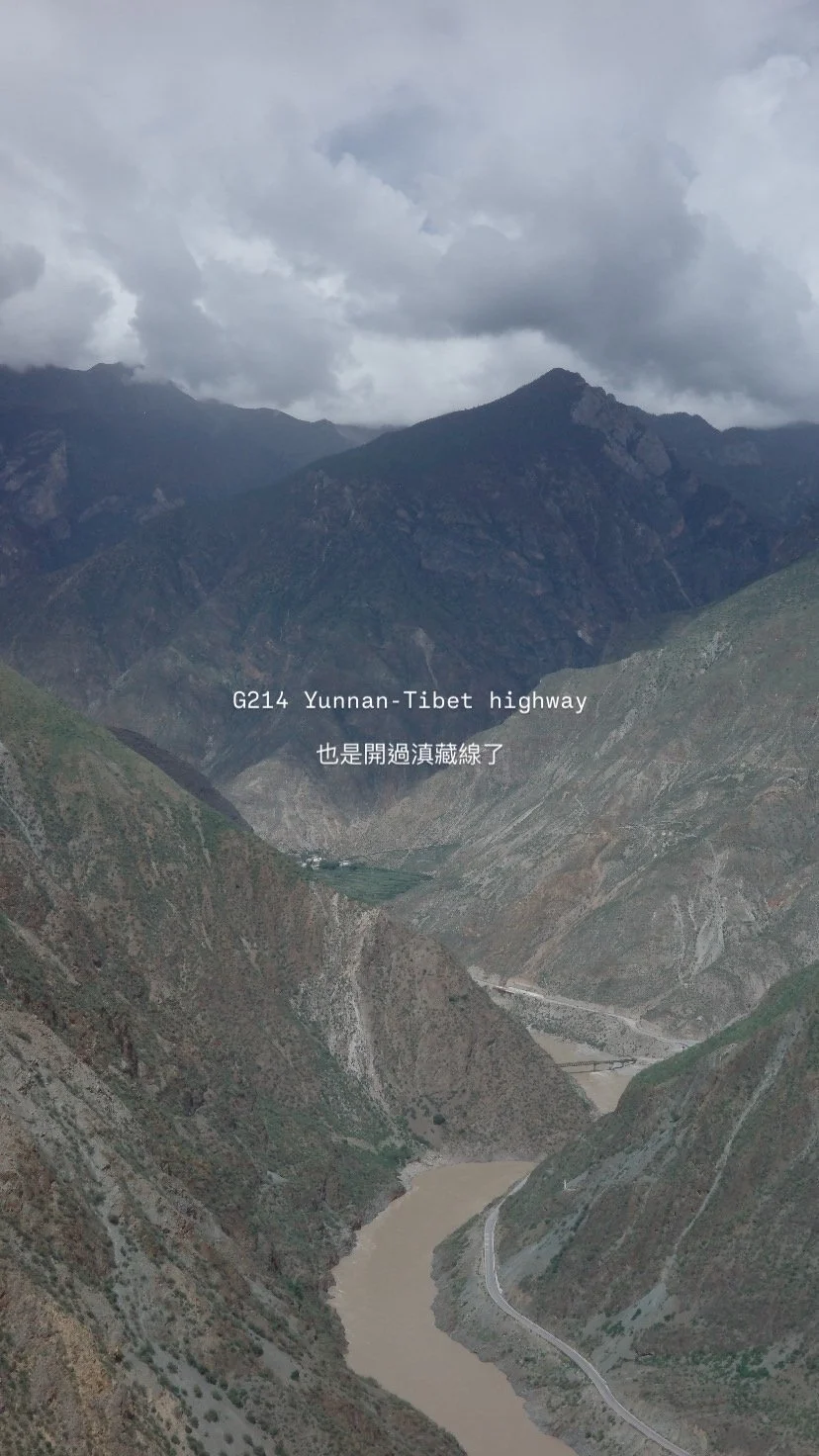
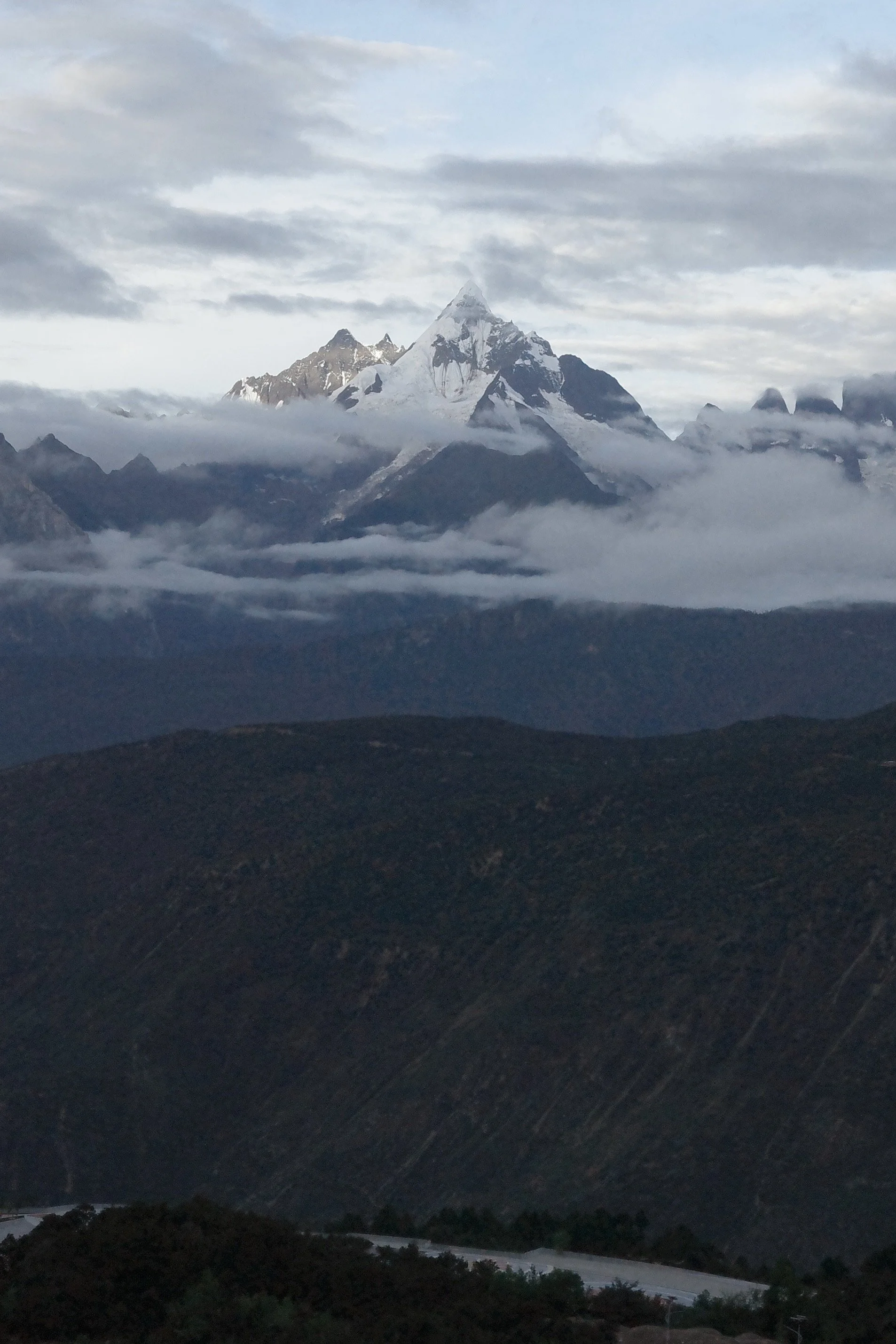
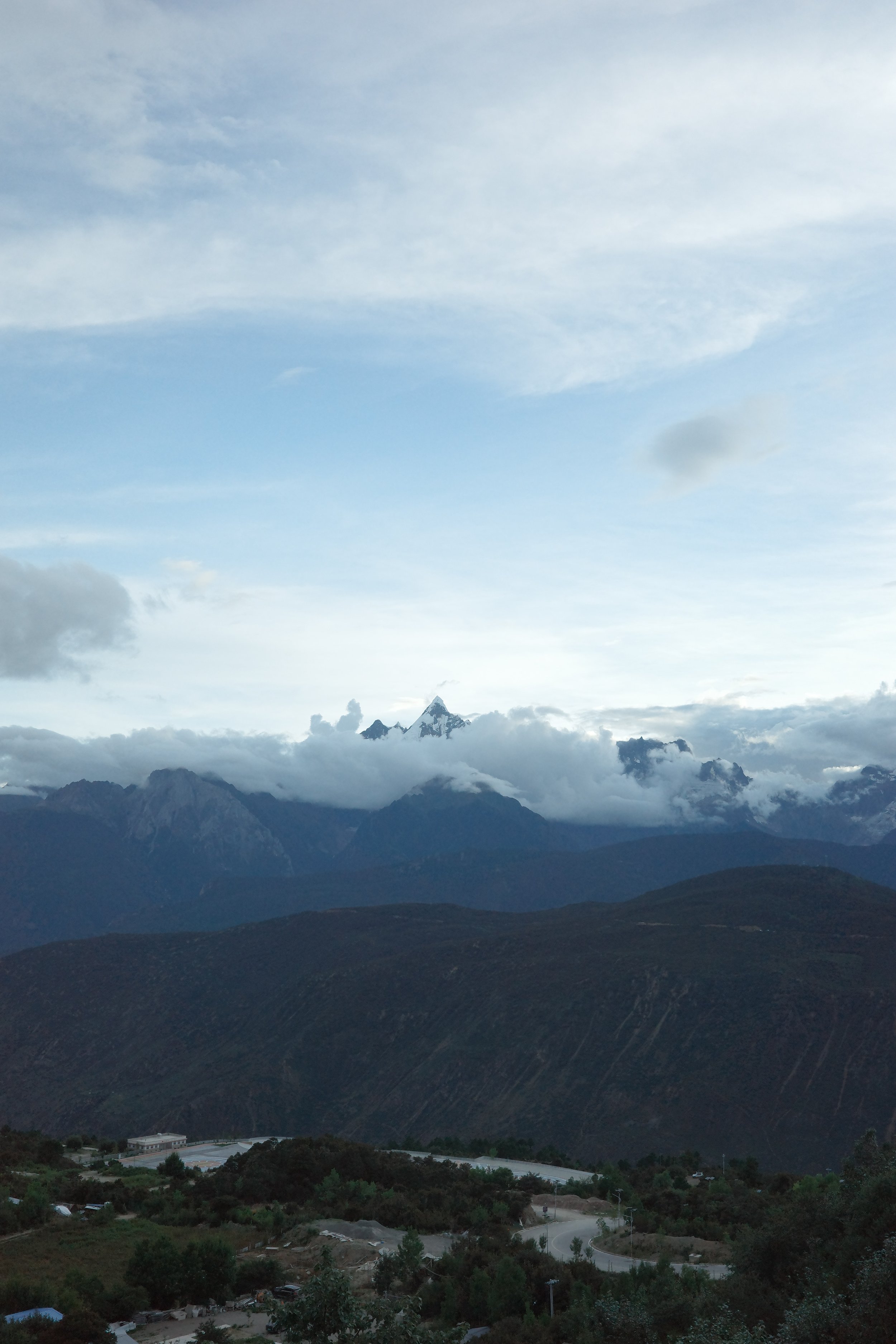
This is one of the most scenic drives in Yunnan, crossing high passes over Baima Snow Mountain and descending into the Lancang (Mekong) River valley. Somewhere along the climb, after one of many turns, the landscape opened without warning. Snow peaks rose abruptly into view — sharp, distant, almost unreal. Kawagebo, the main peak of Meili, appeared only briefly, half-hidden, as if reluctant to fully reveal itself.
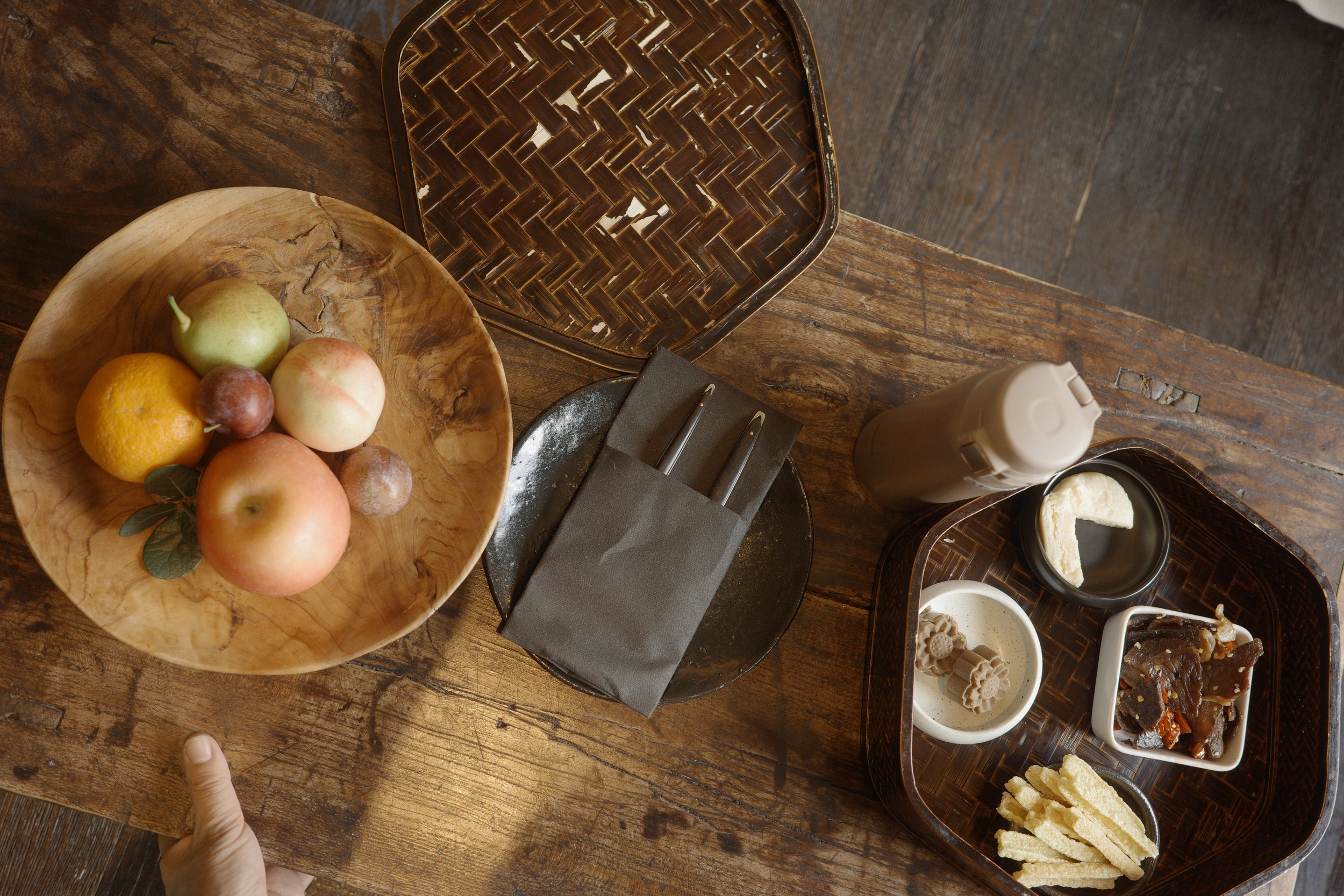
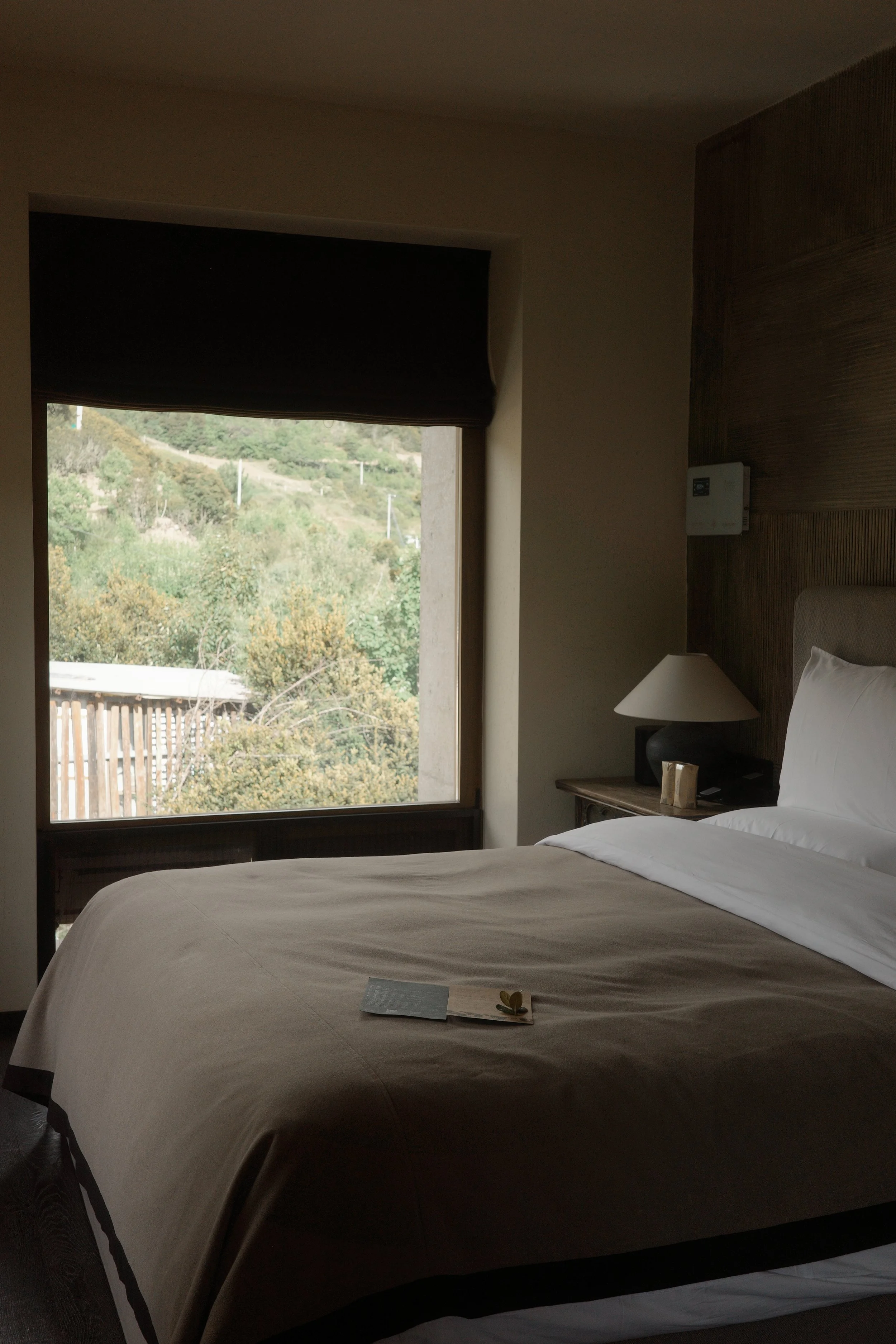
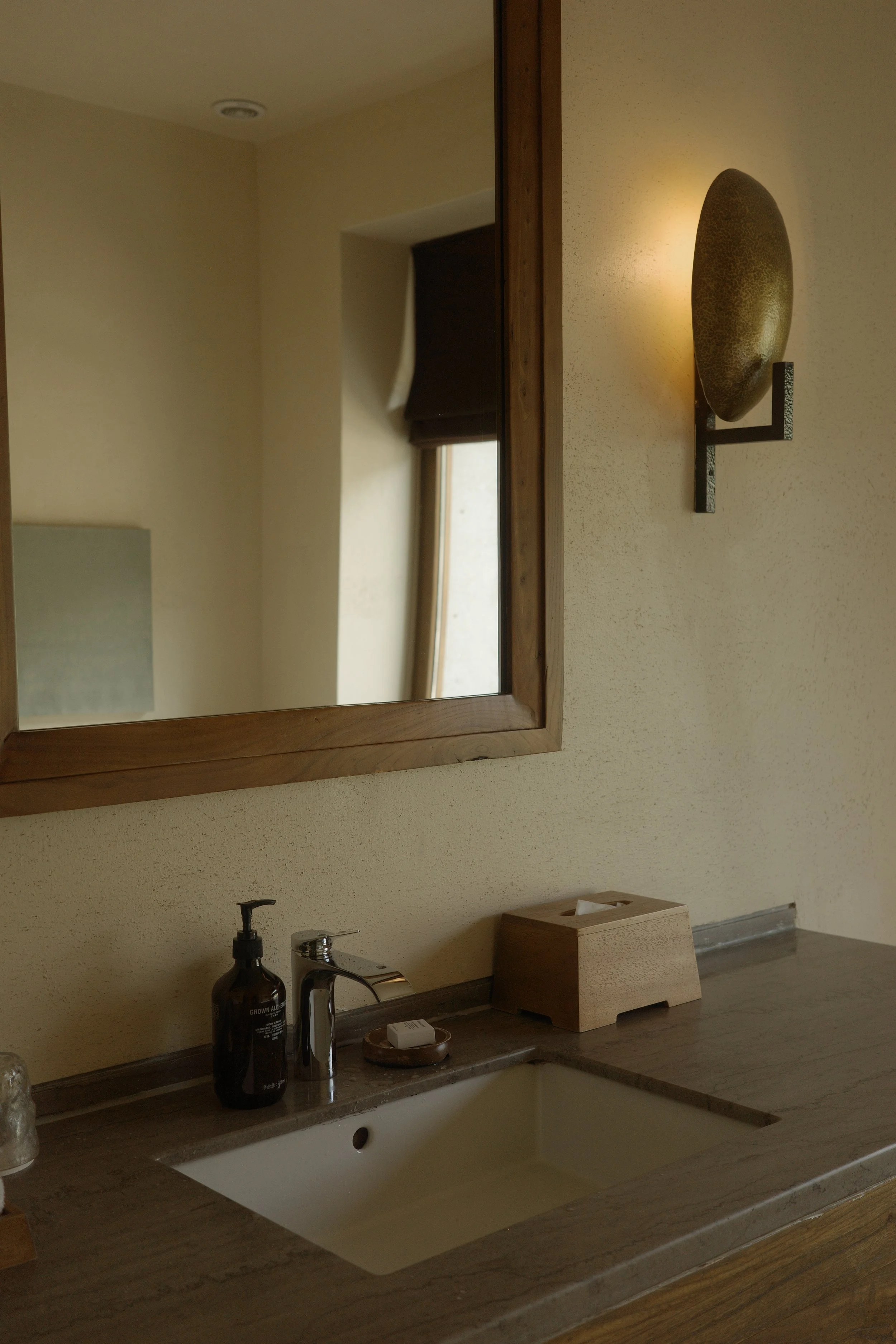
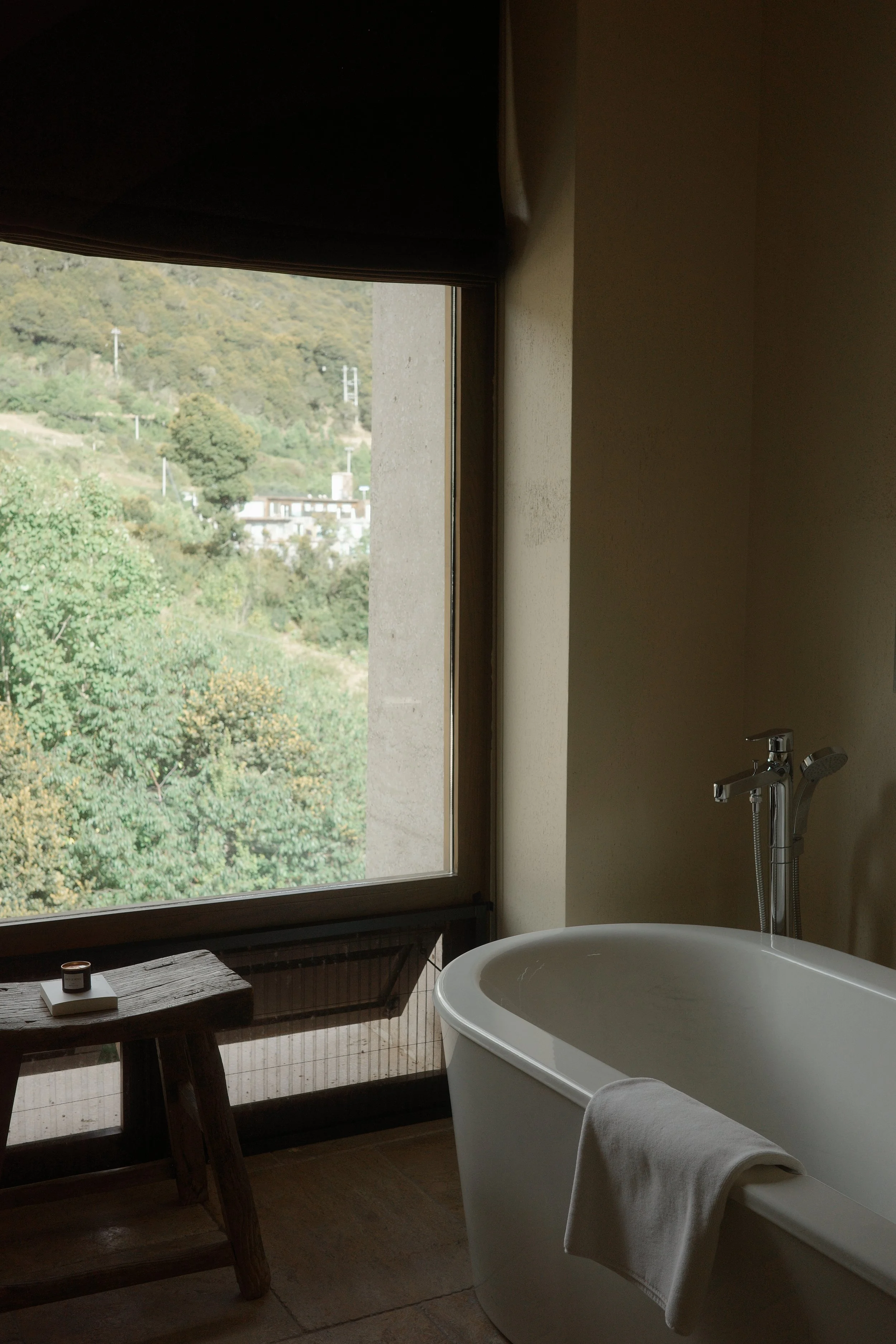
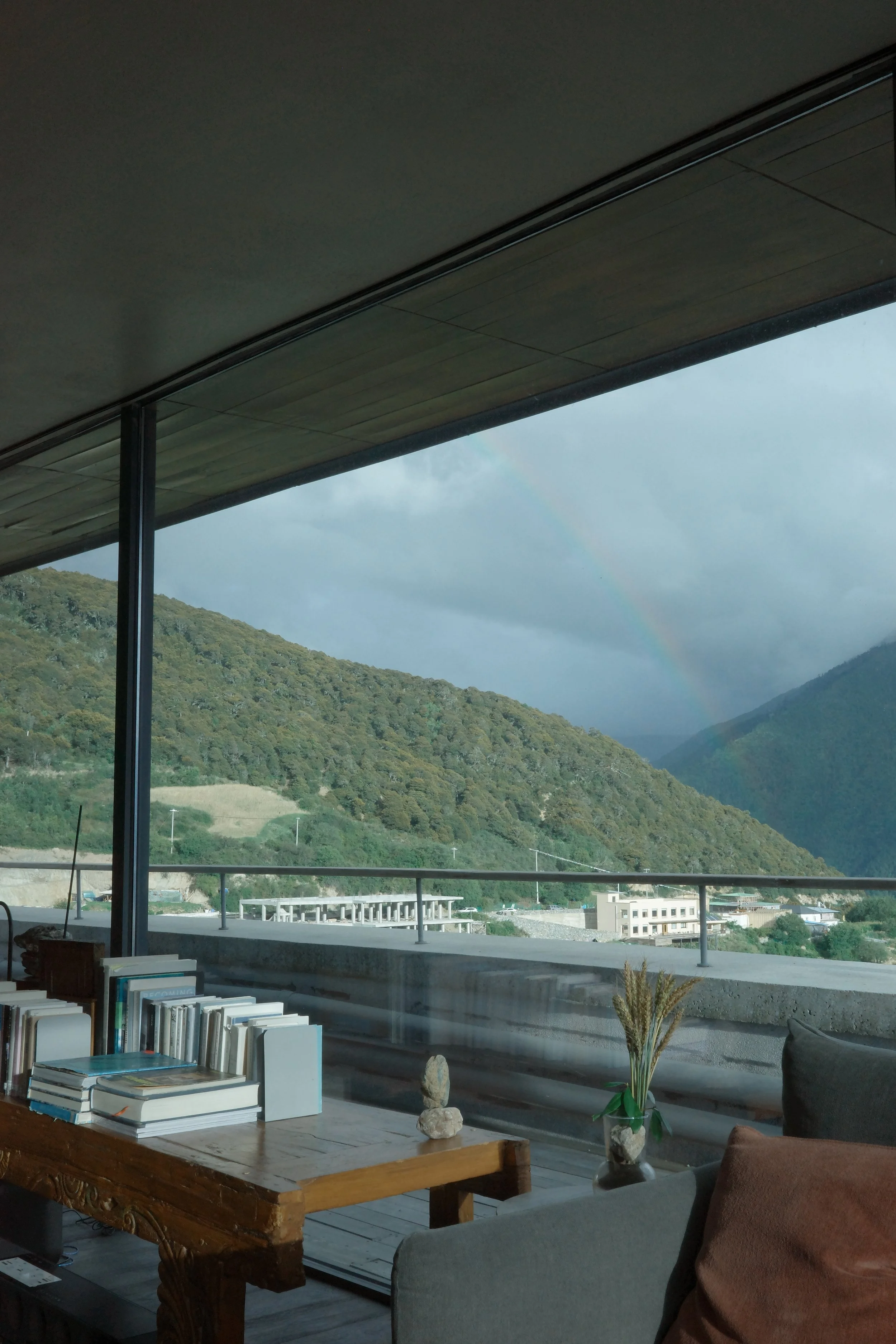
Check into Jixiashan Sunyata Resort Hotel, where Meili Snow Mountain dominates the horizon.
Day 7 — Deqin → Bingzhongluo (via Degong Road)
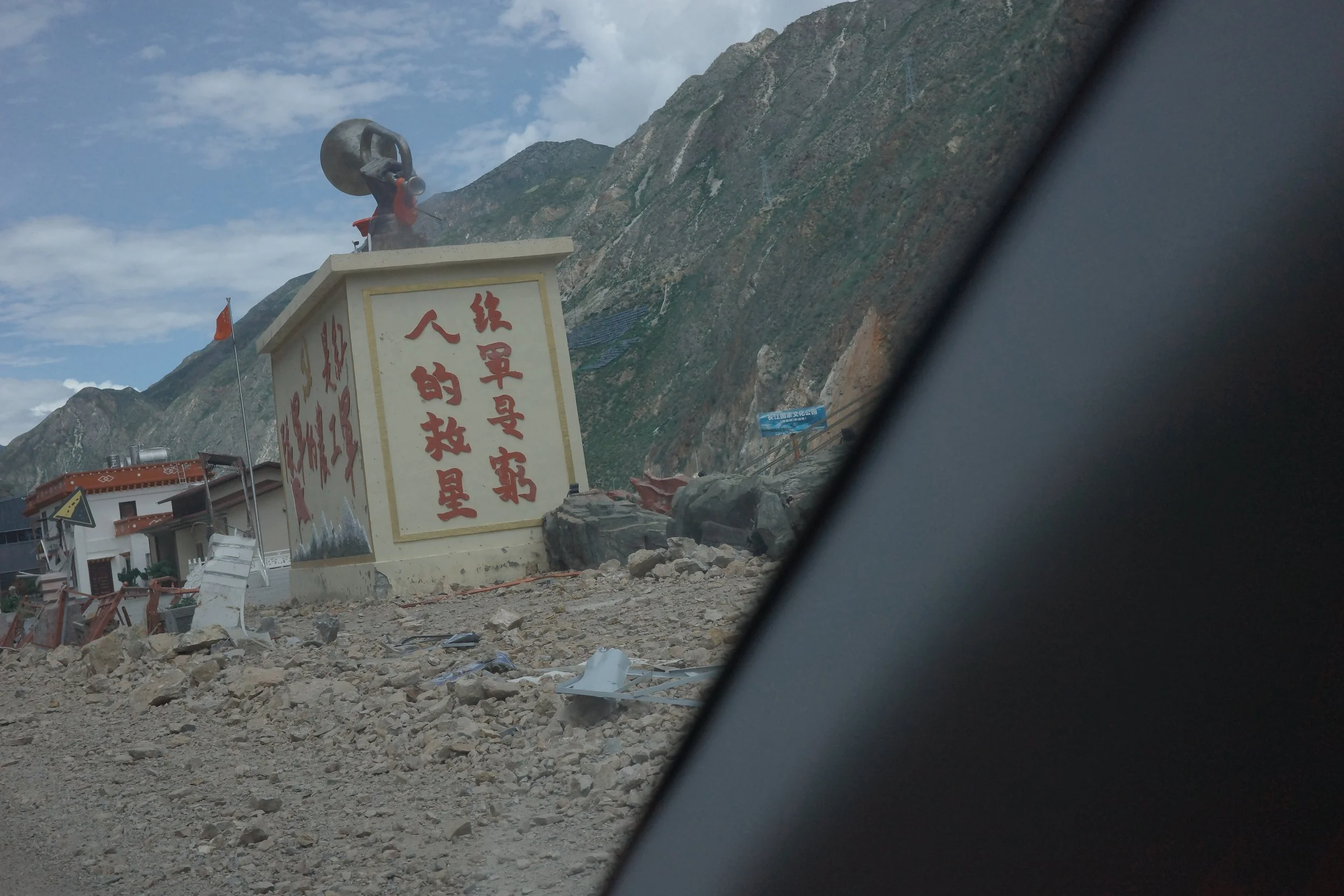
The next day, the journey continued deeper into the Hengduan Mountains. Take the more demanding route west via the Degong Road (德贡公路) into the Nujiang region. This is a long and physically challenging drive (5-6 hours), crossing rugged terrain between river systems. Under the influence of the southwest monsoon, the route was marked by falling rocks and occasional landslides, making the drive slow and uncertain.
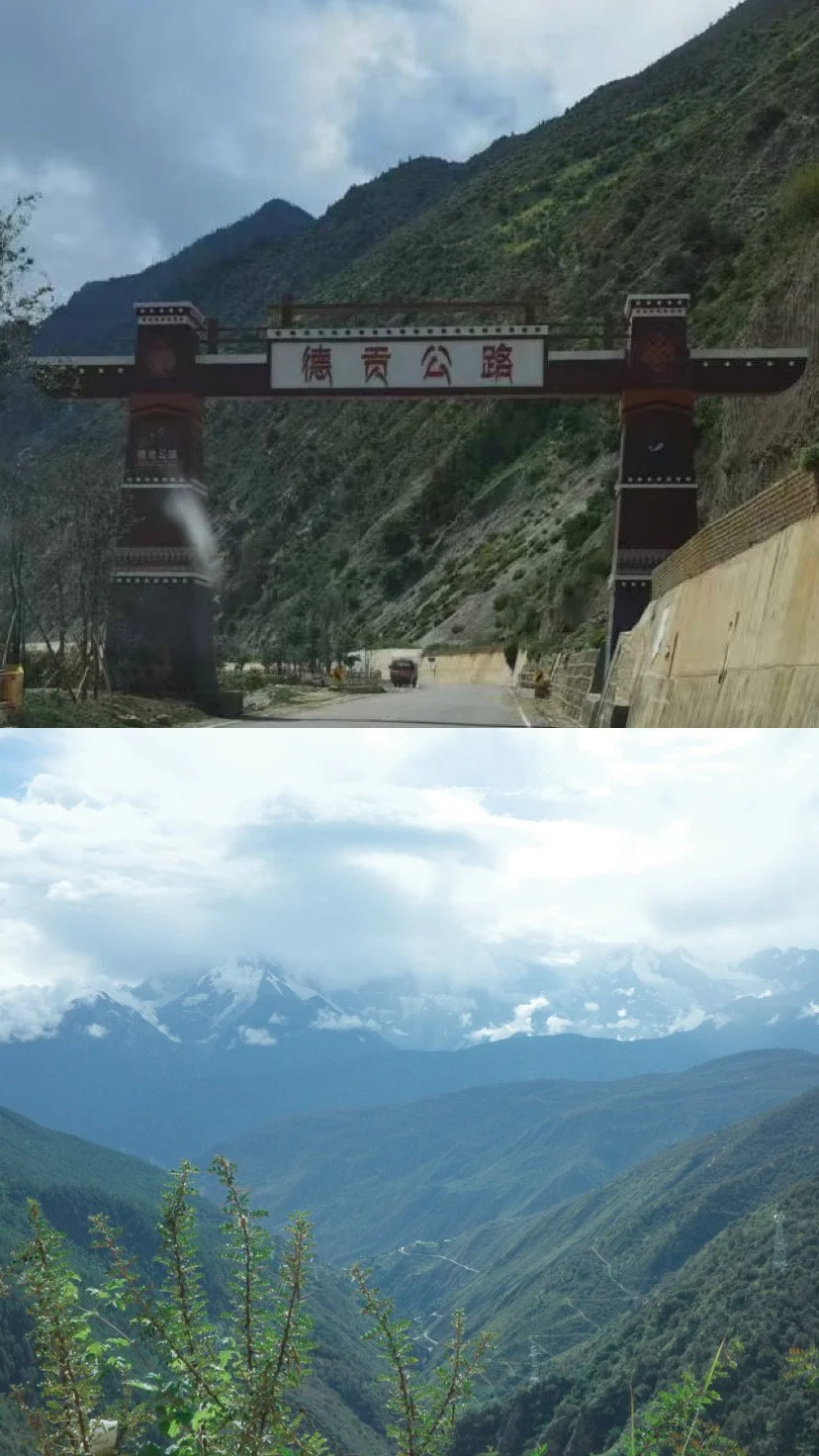
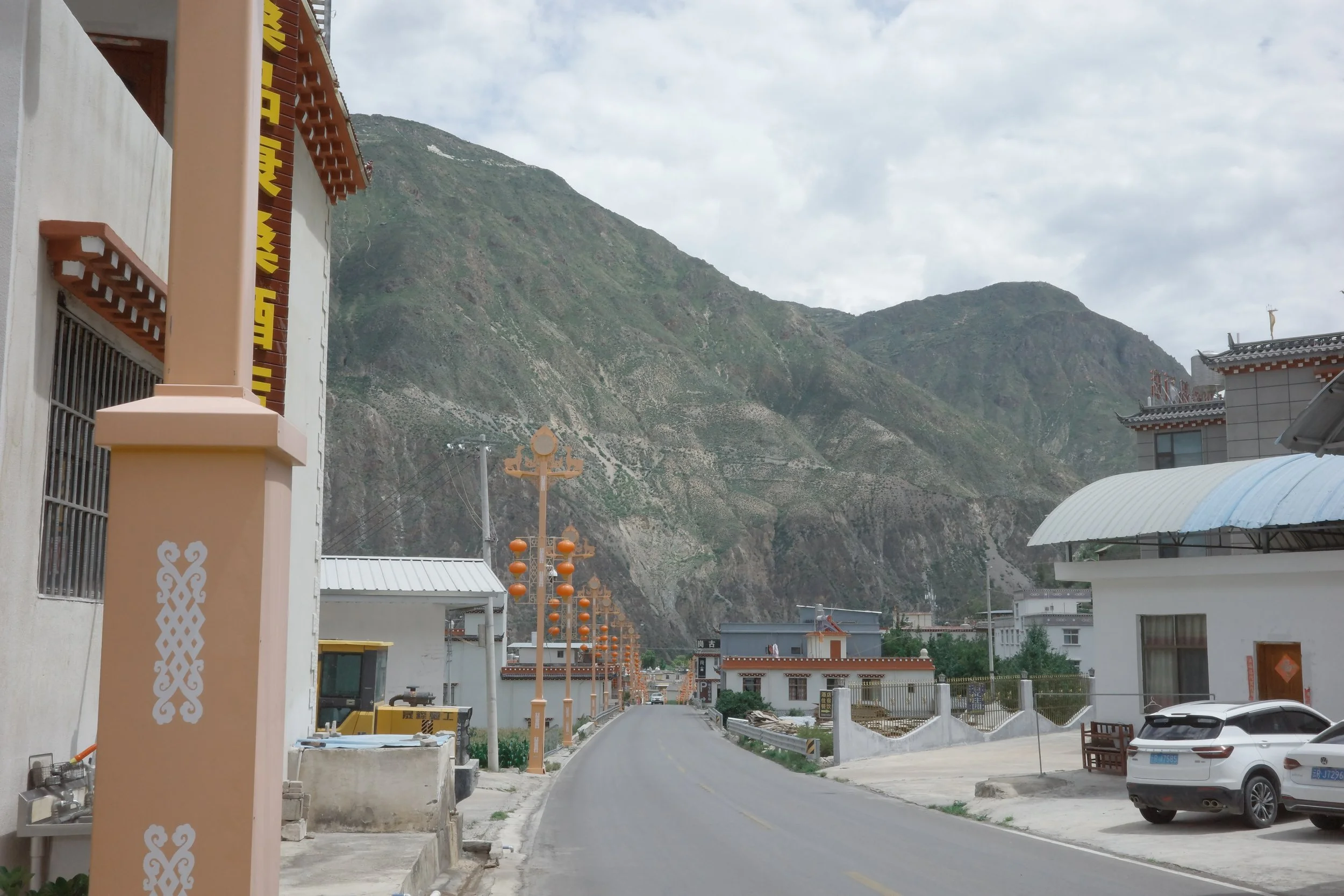
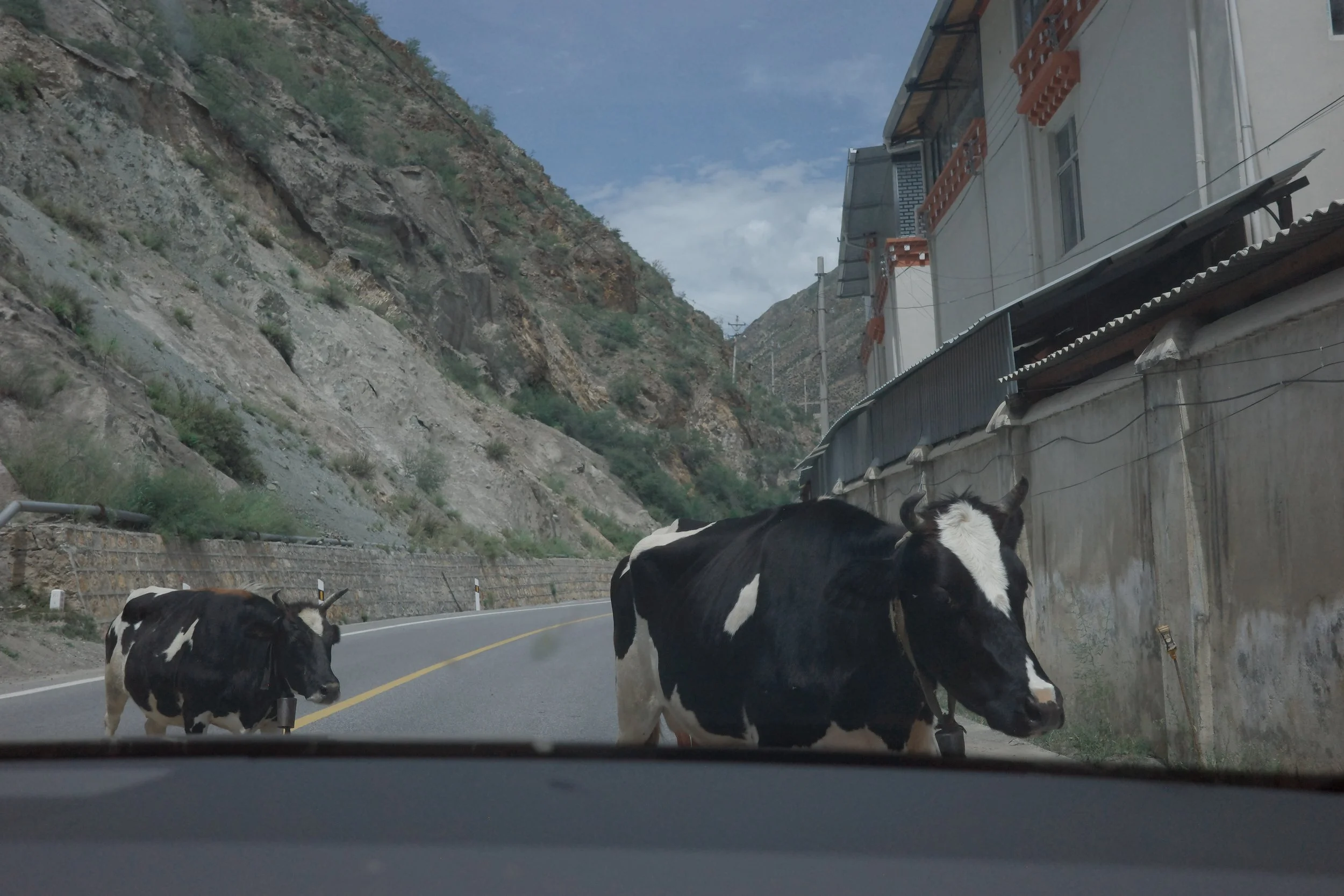
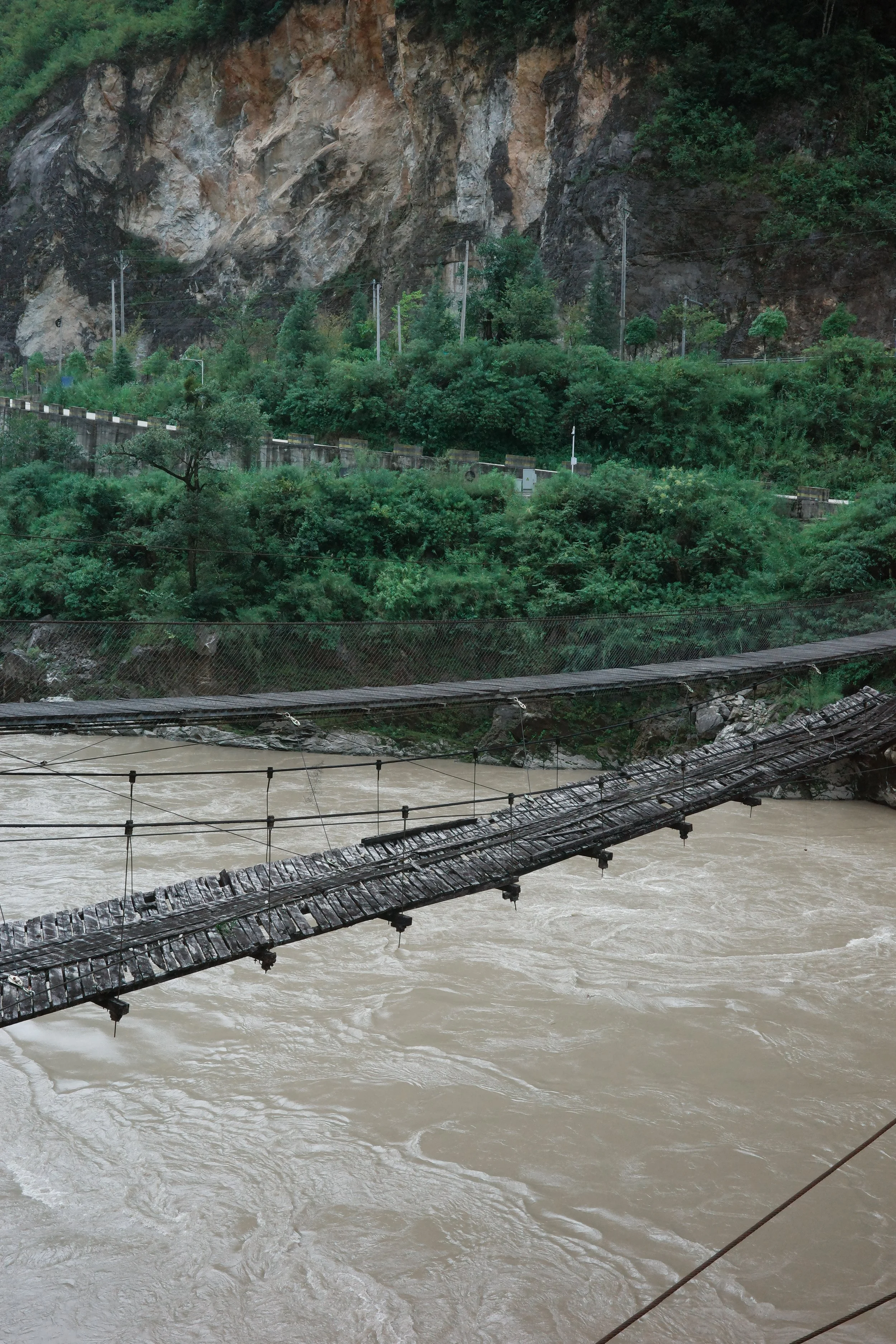
Once arriving in Nujiang area, the landscape shifts dramatically — from glacial mountains to steep canyon walls.
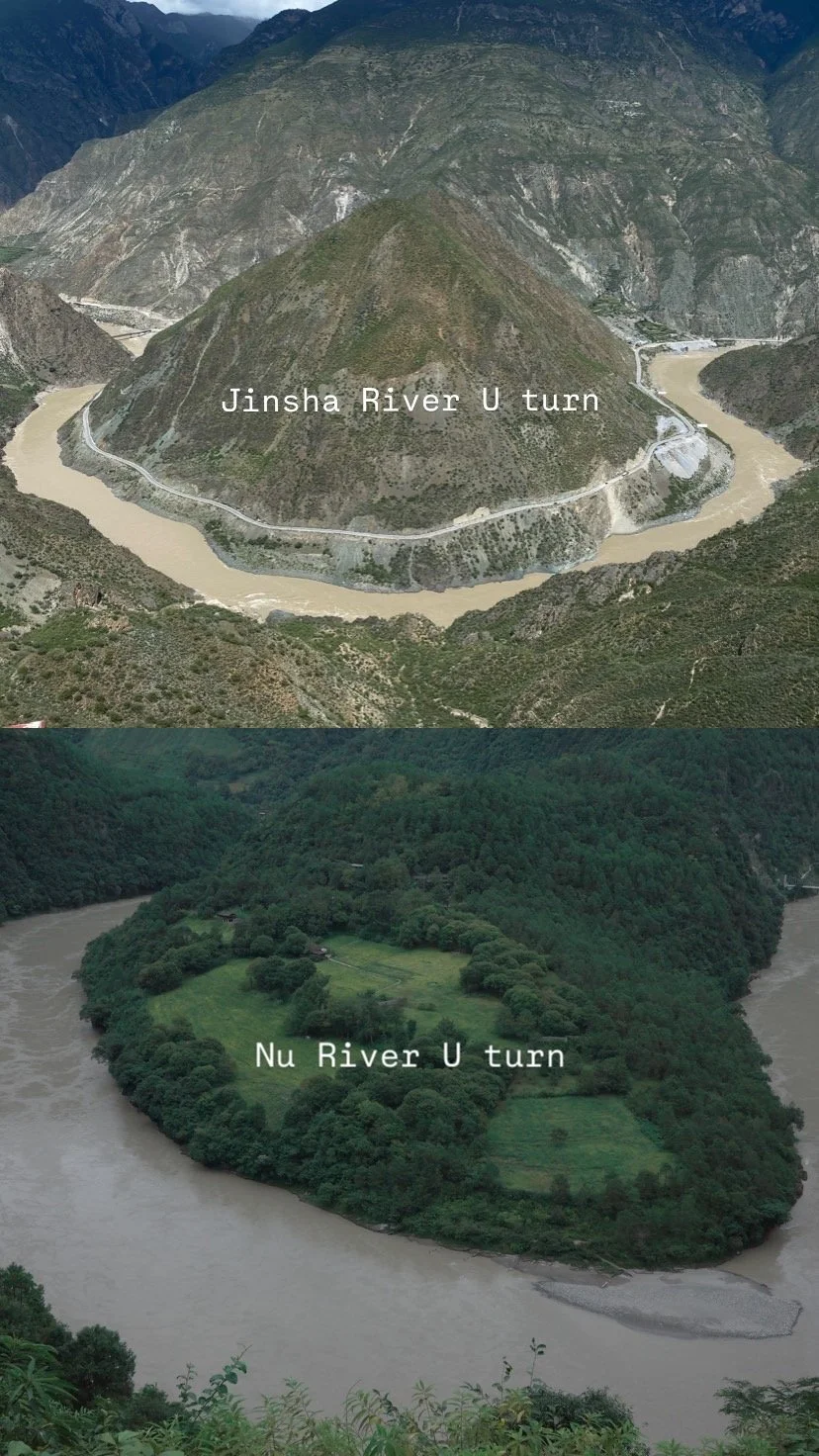
The two U turns looks very different
Day 8 — Bingzhongluo / Wuli Village
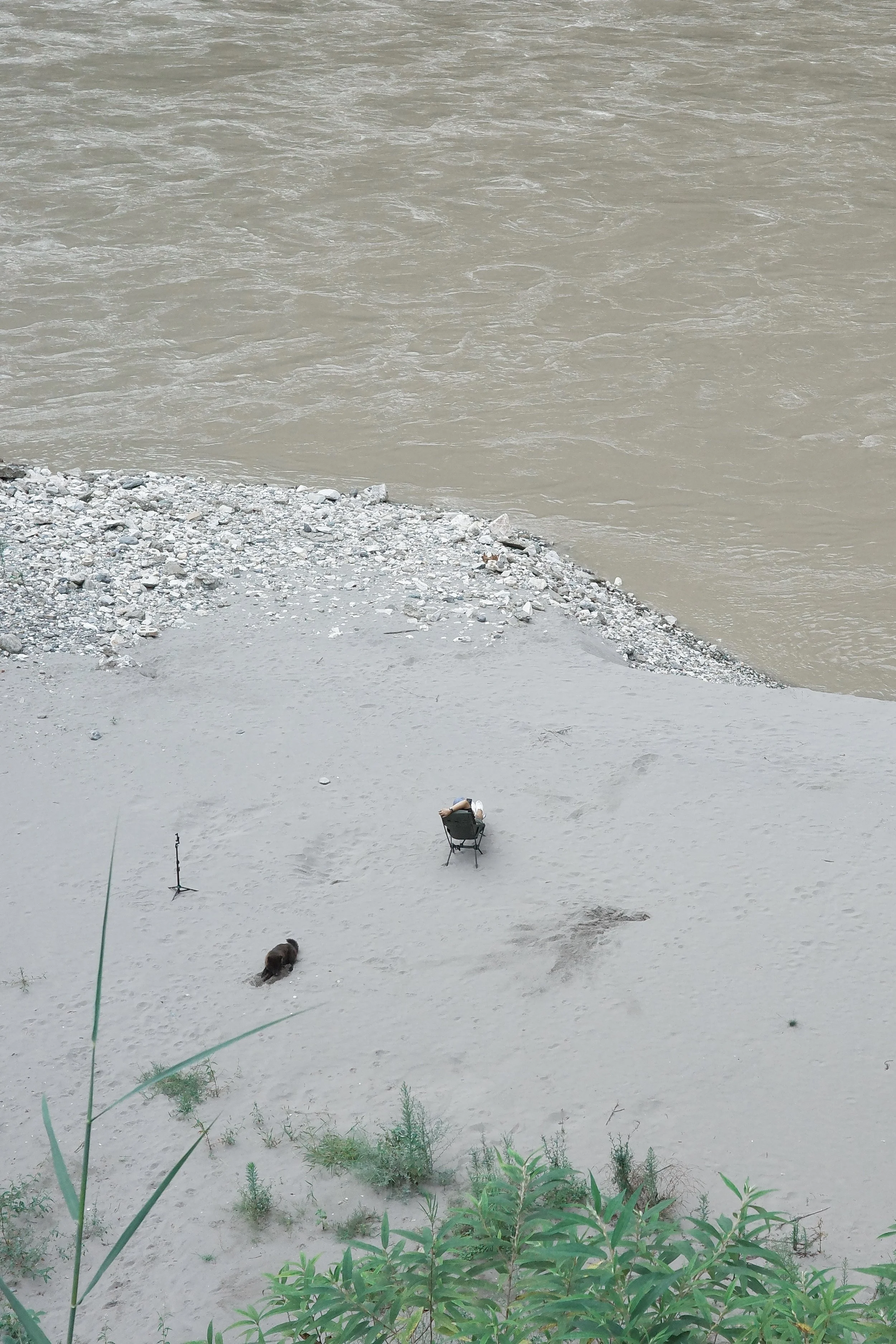
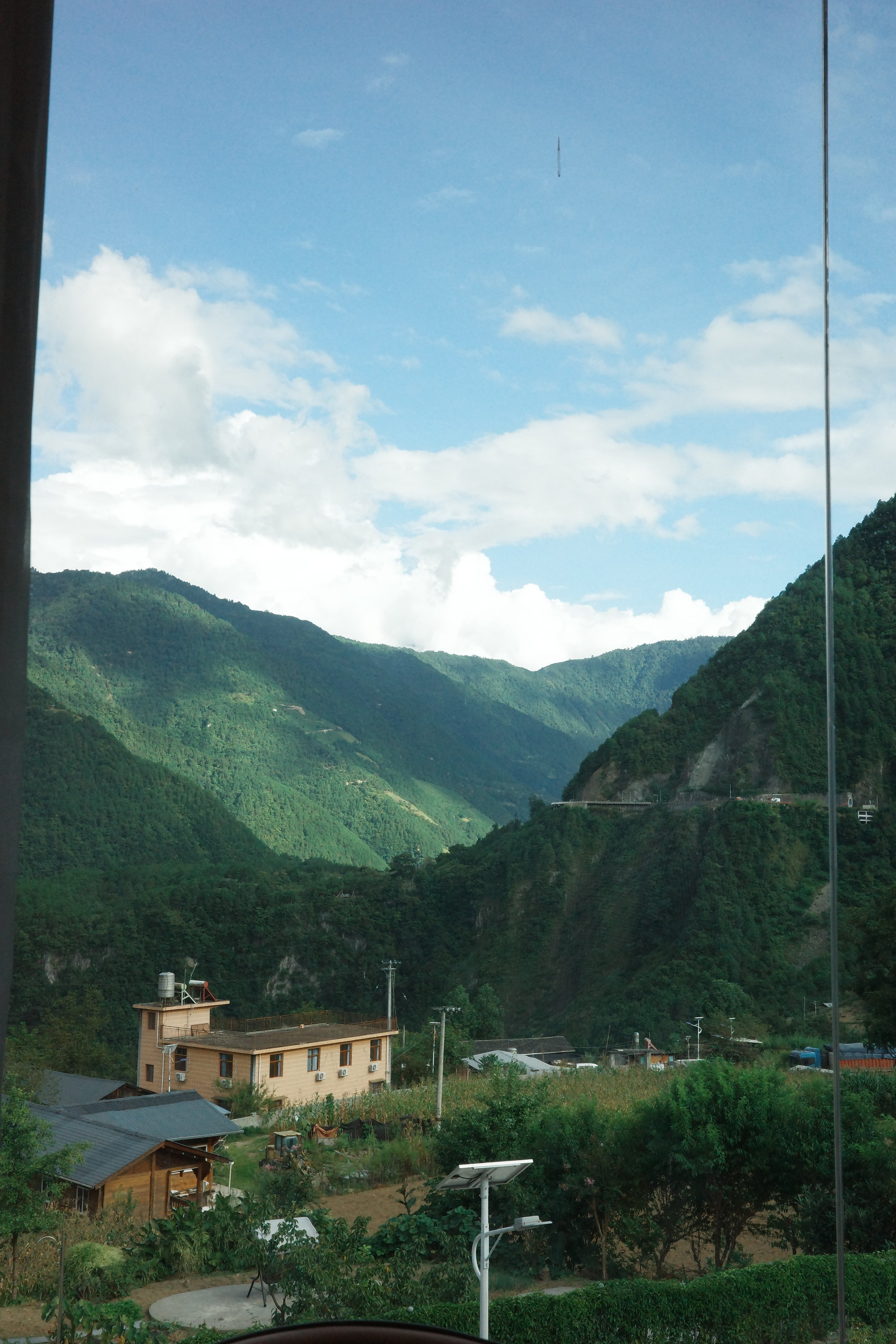
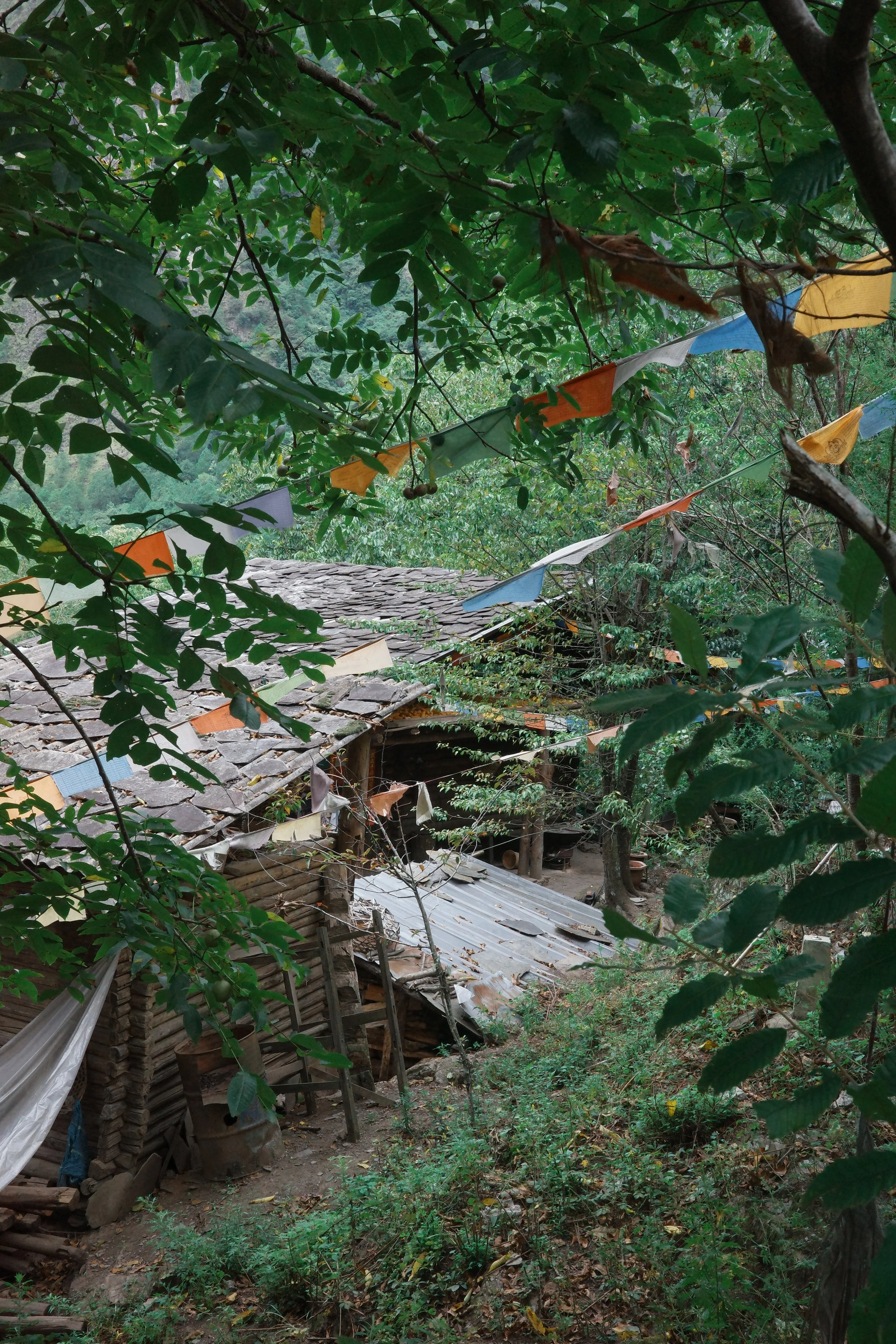
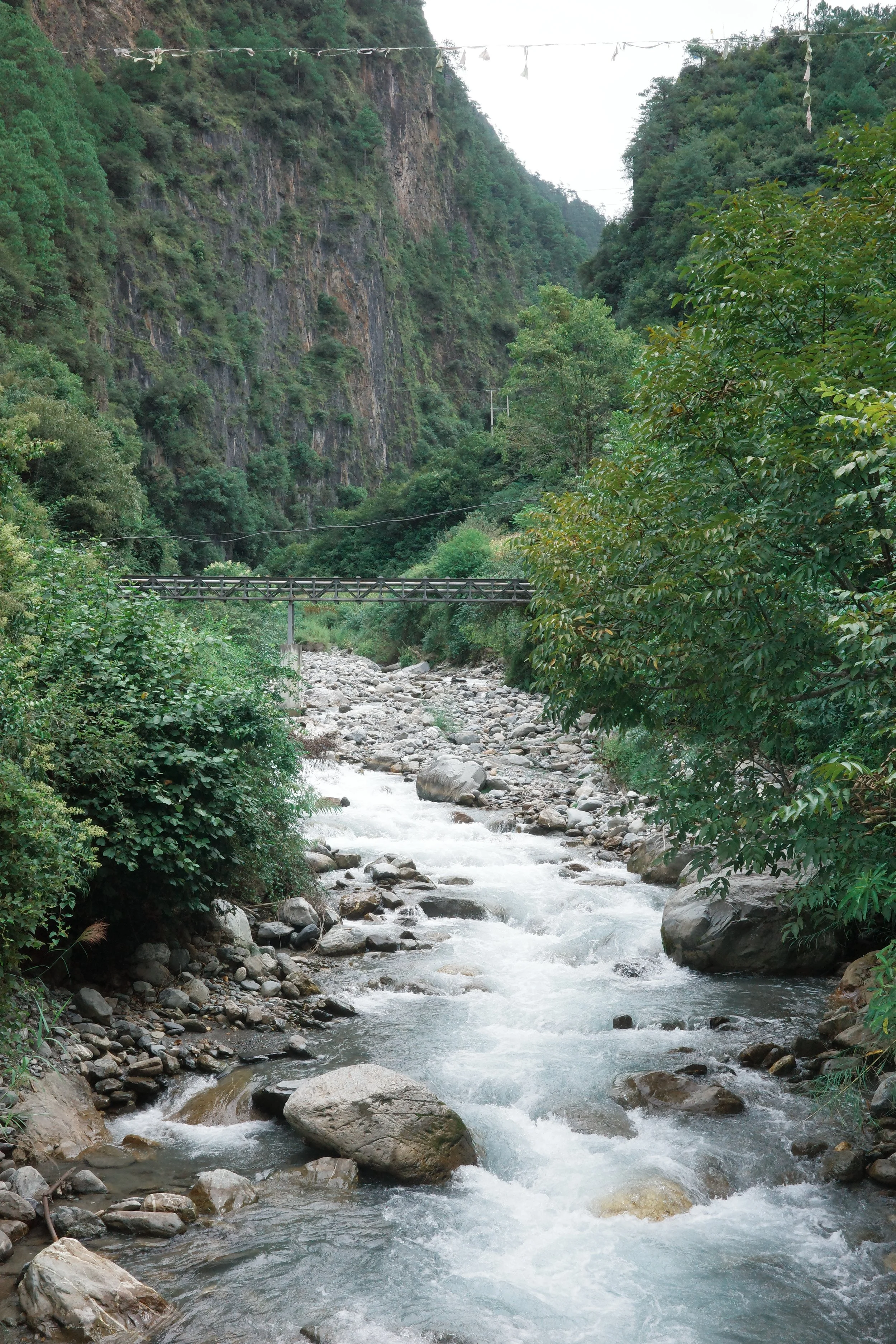
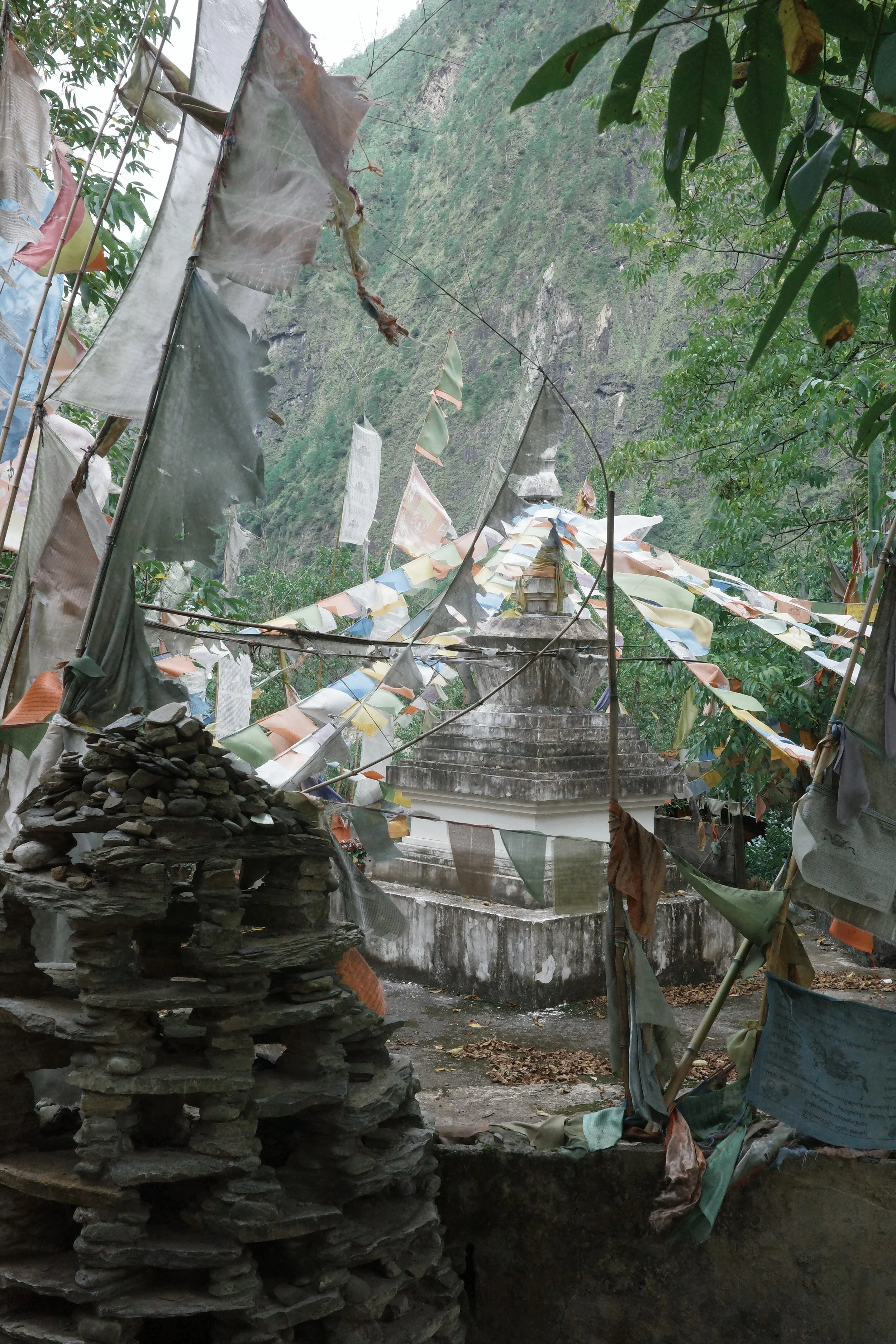
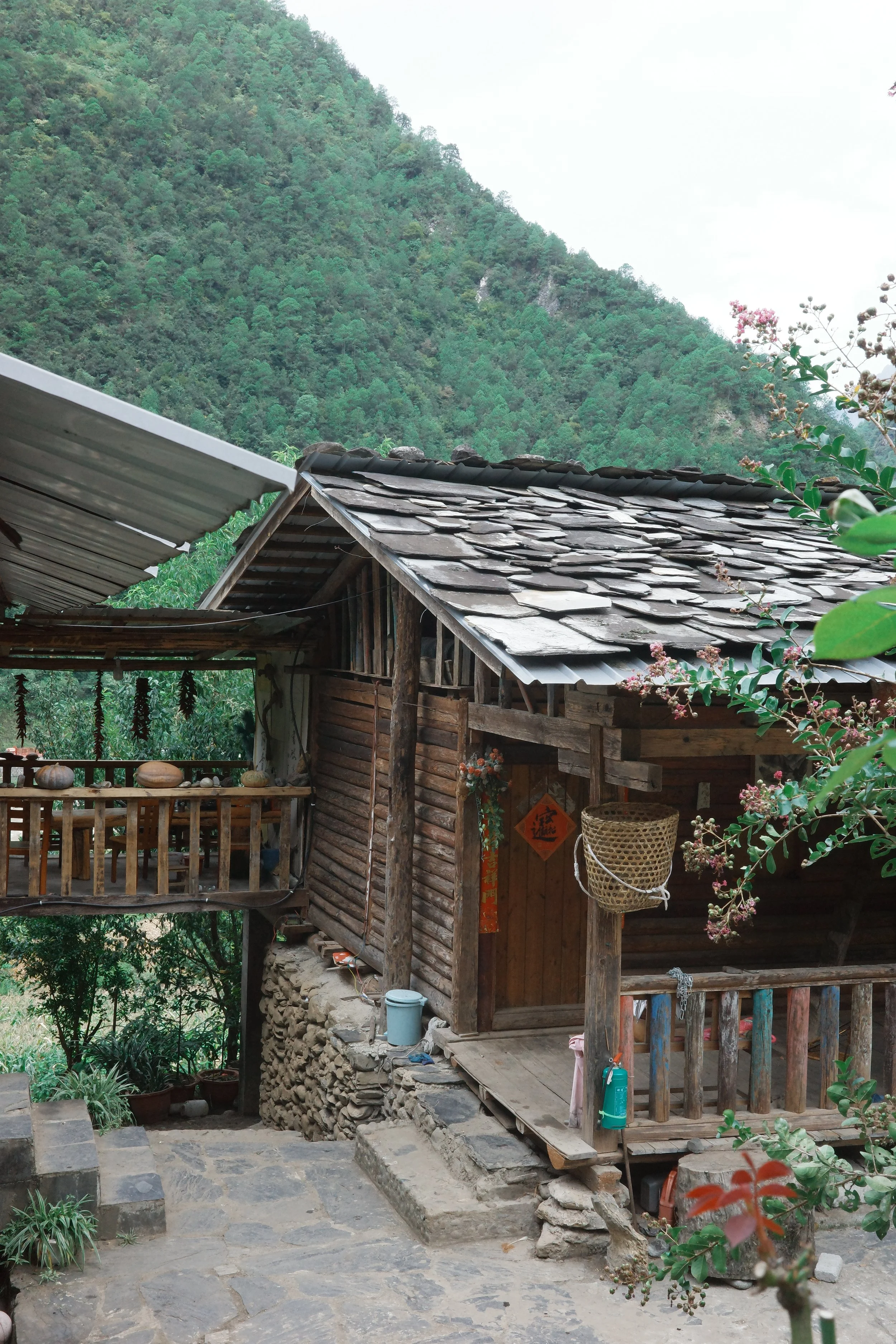
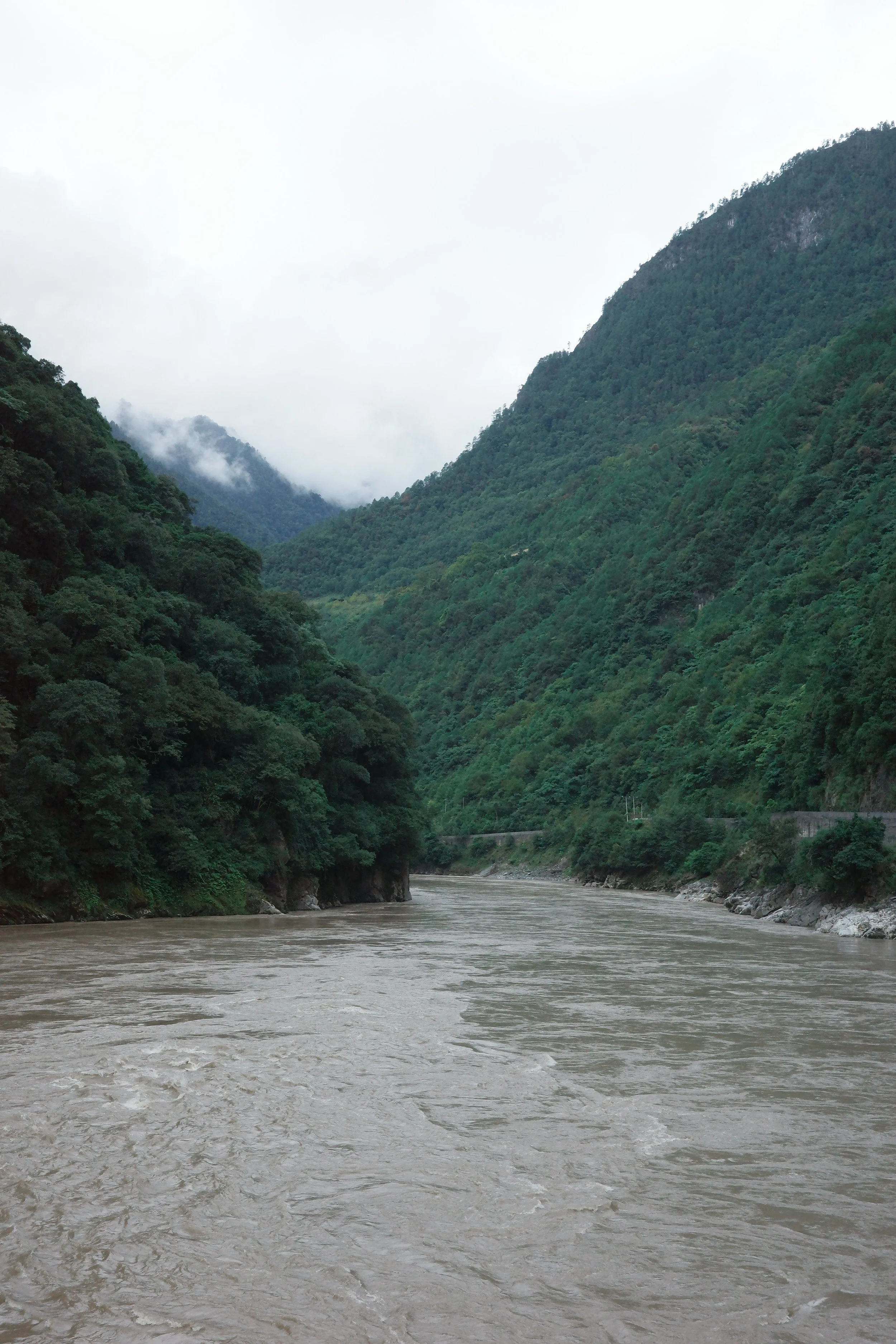
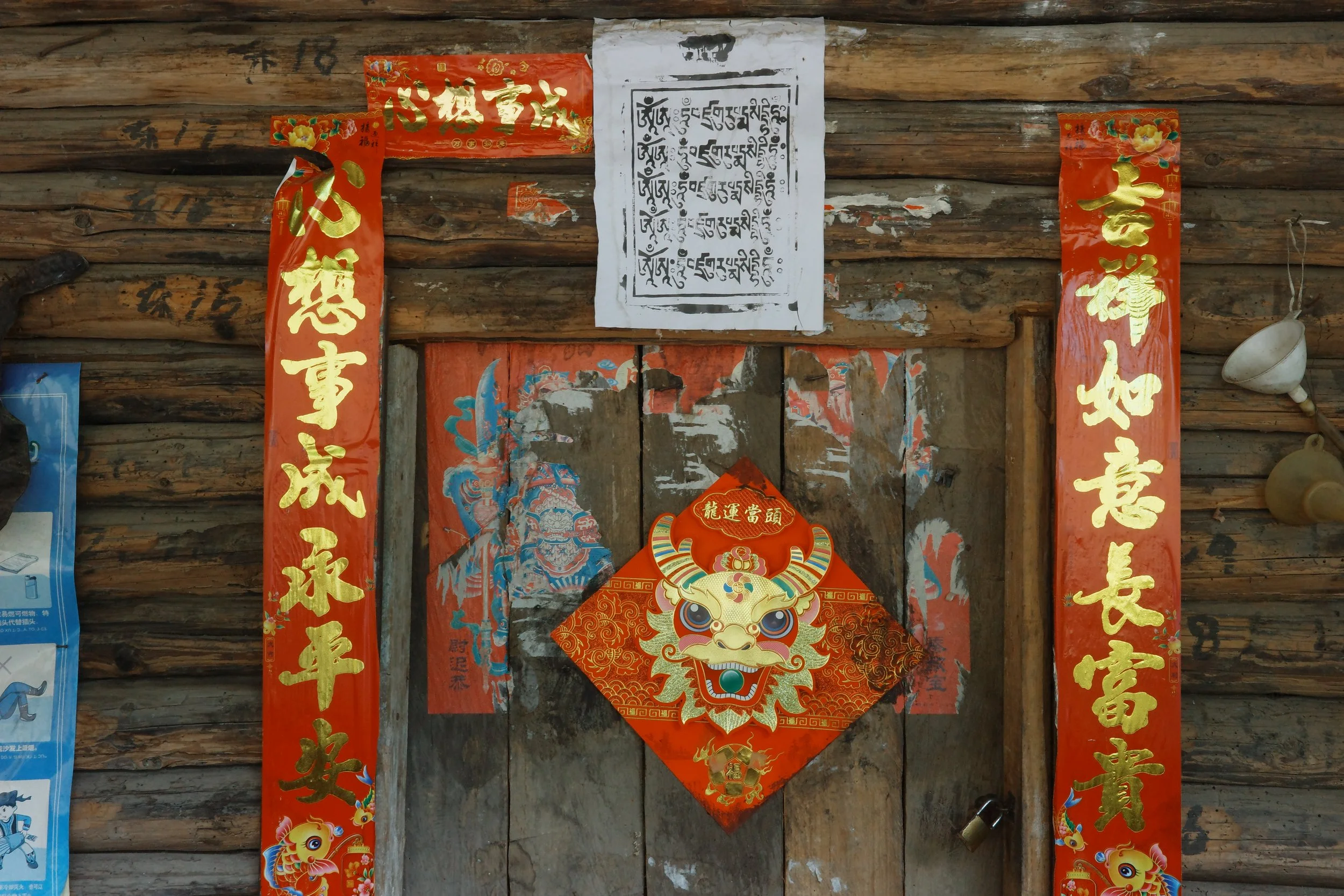
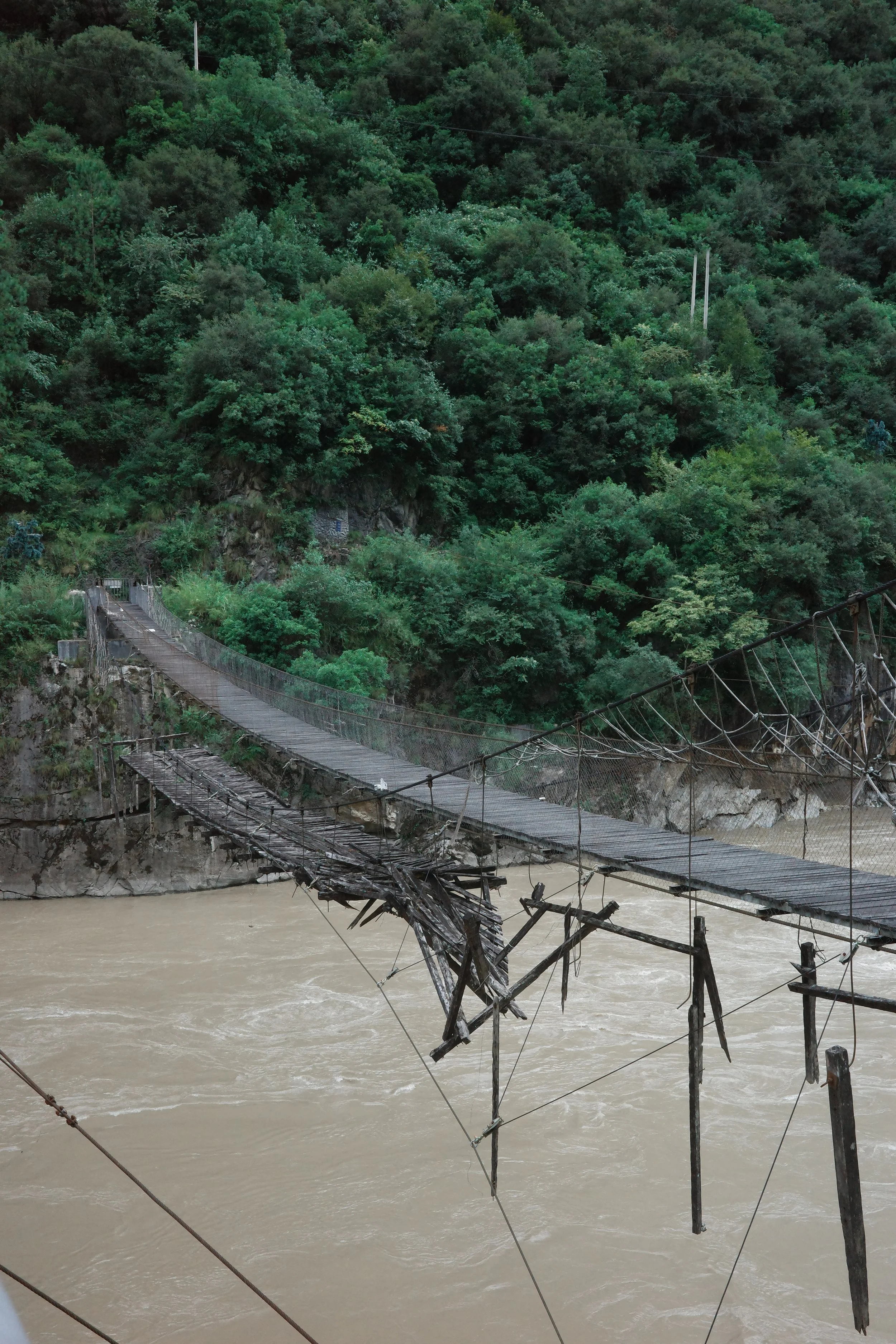
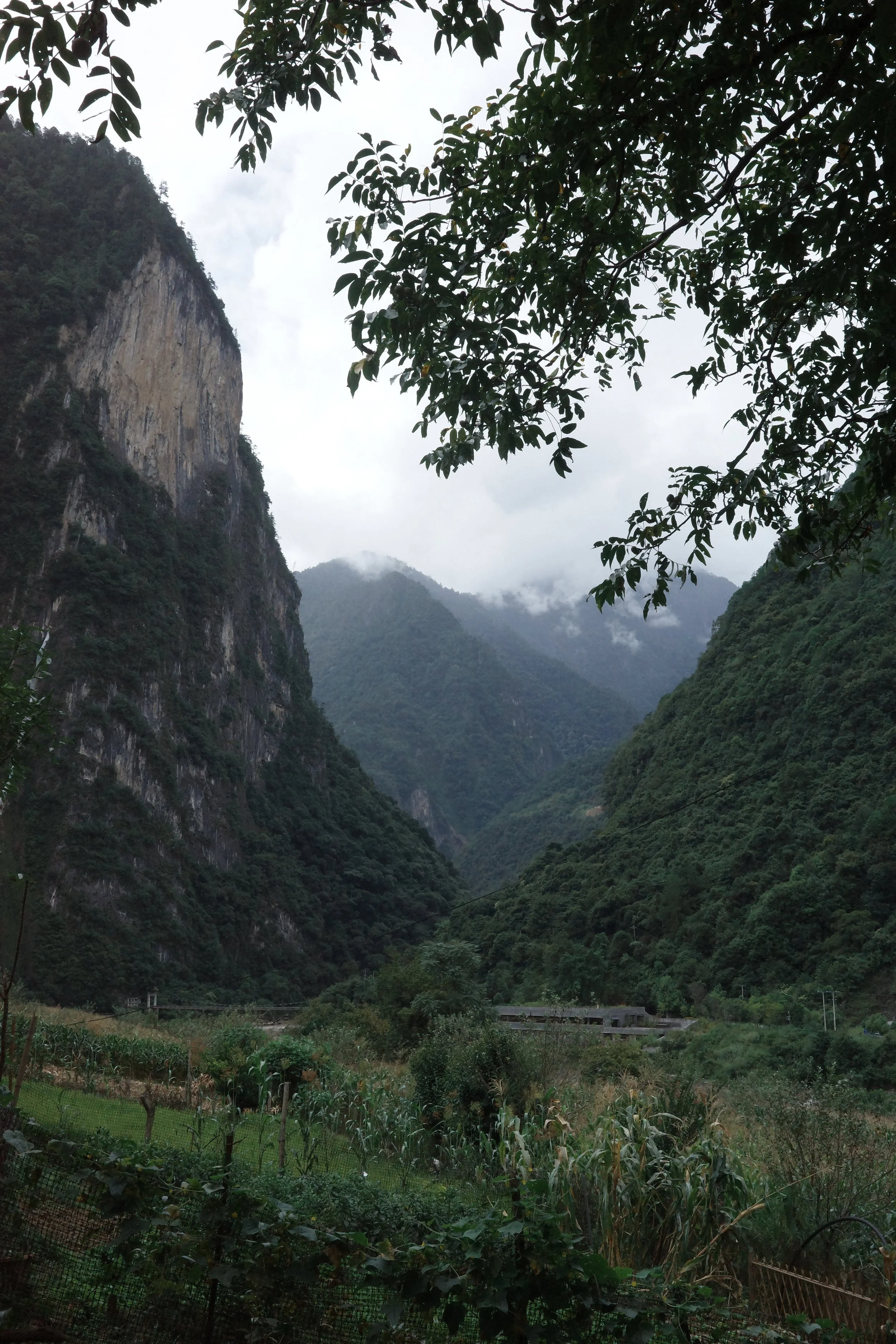
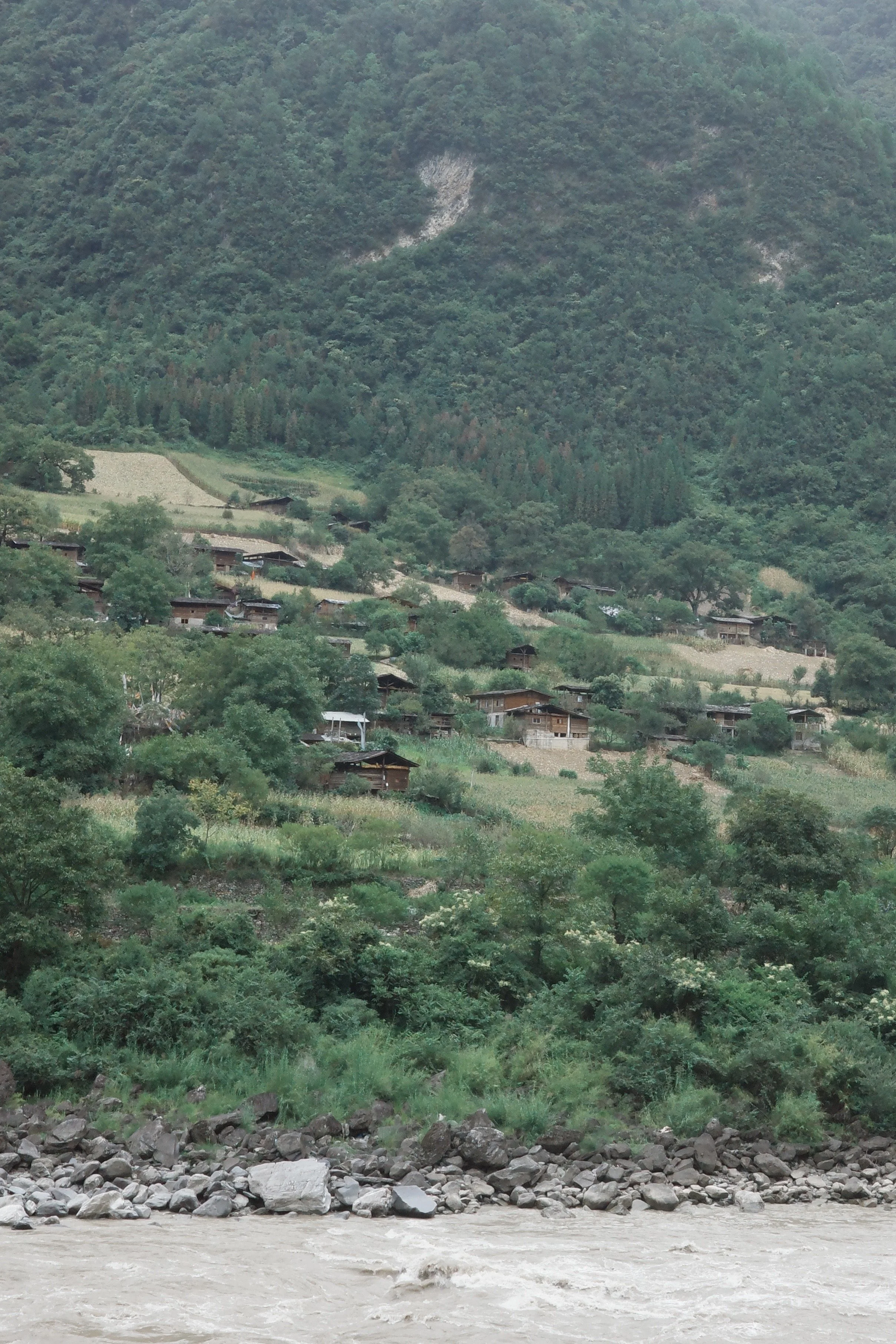
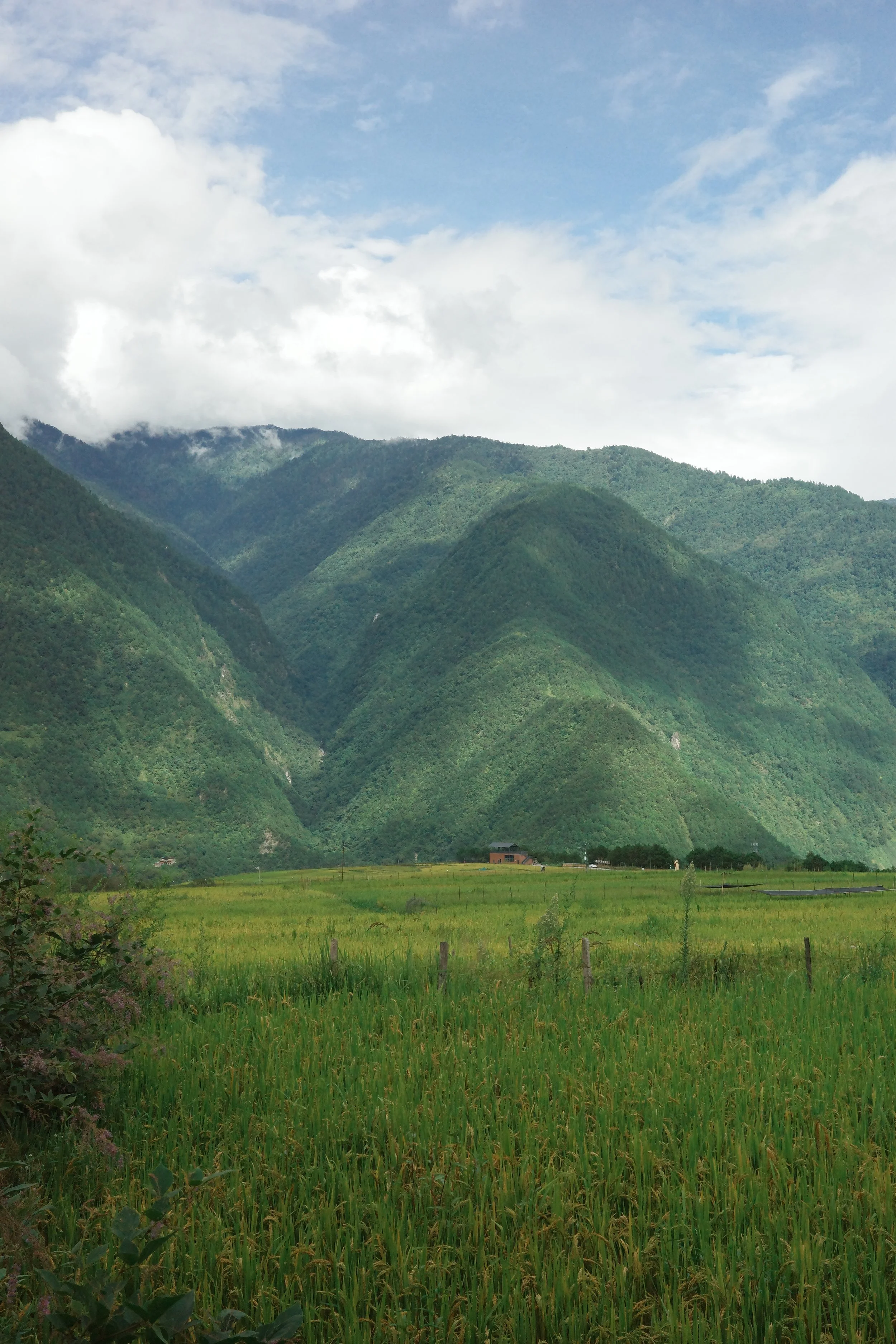
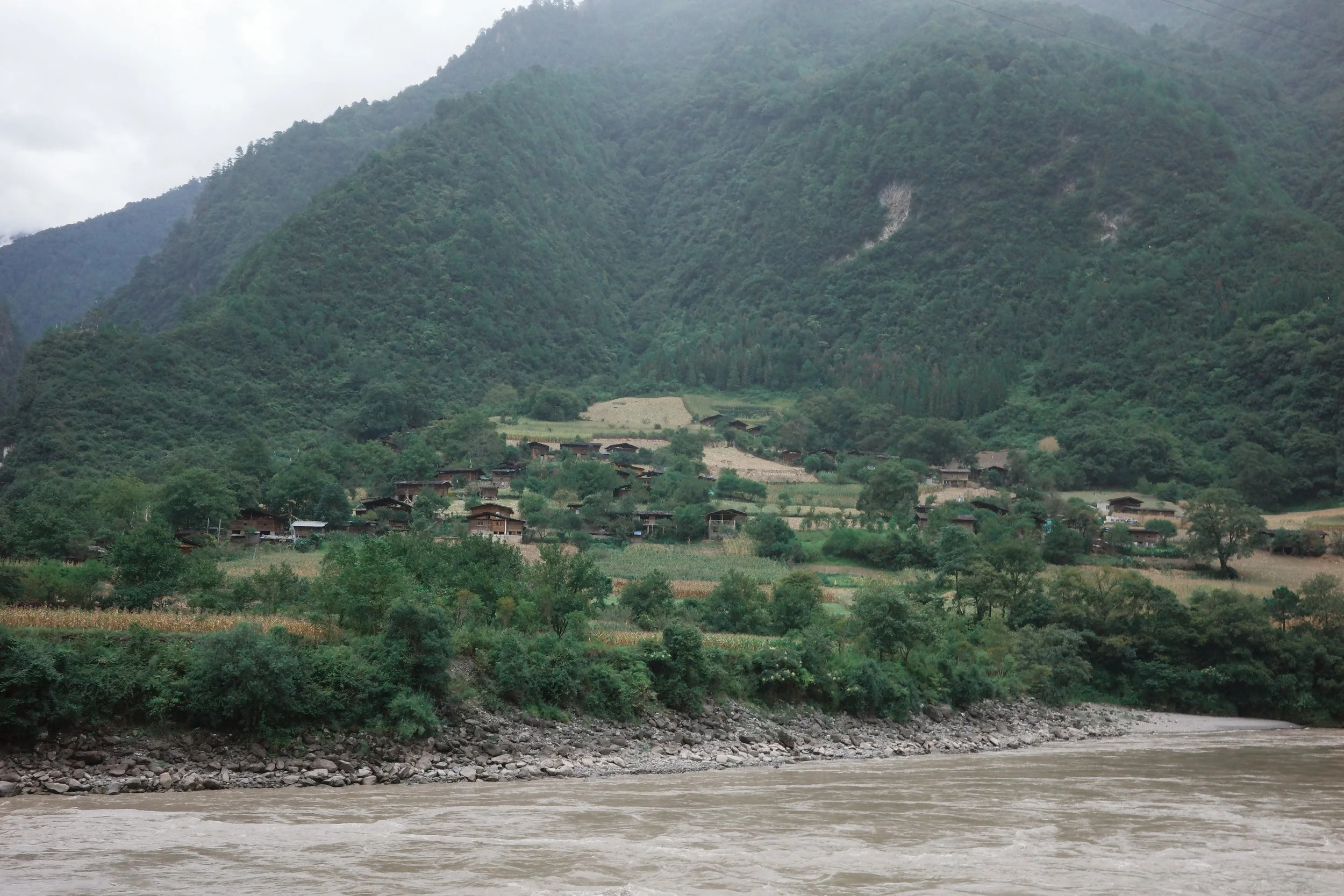
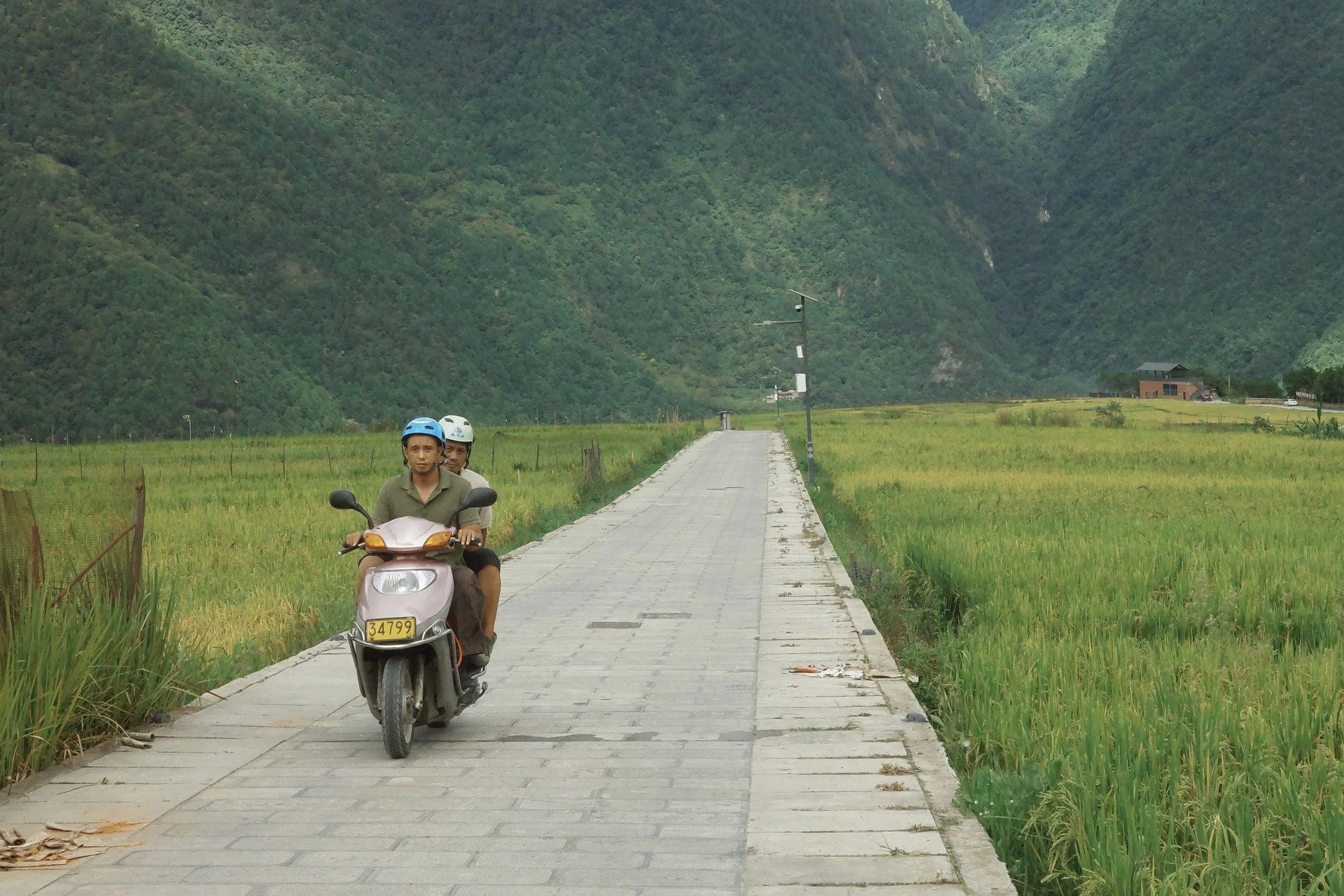
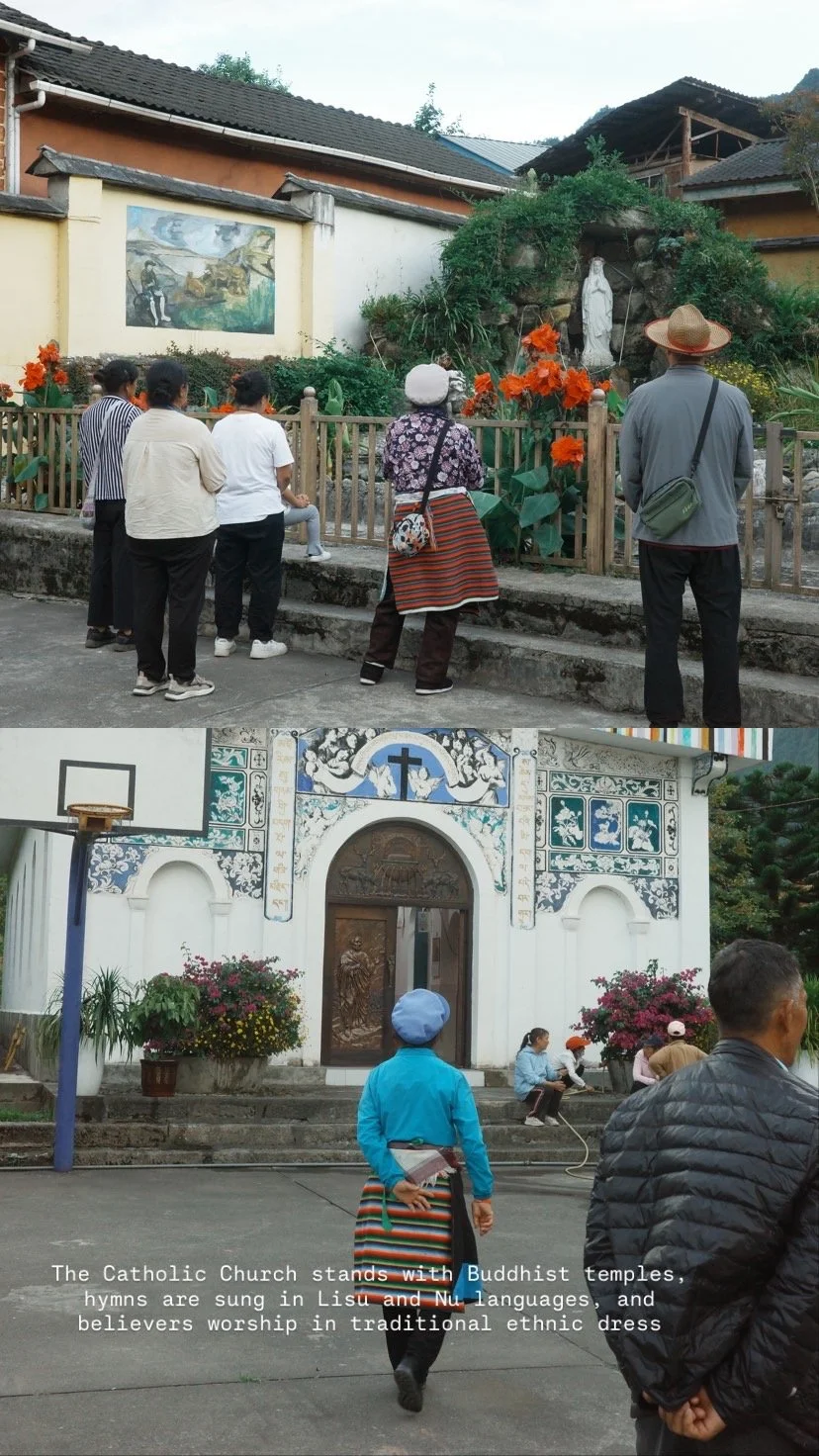
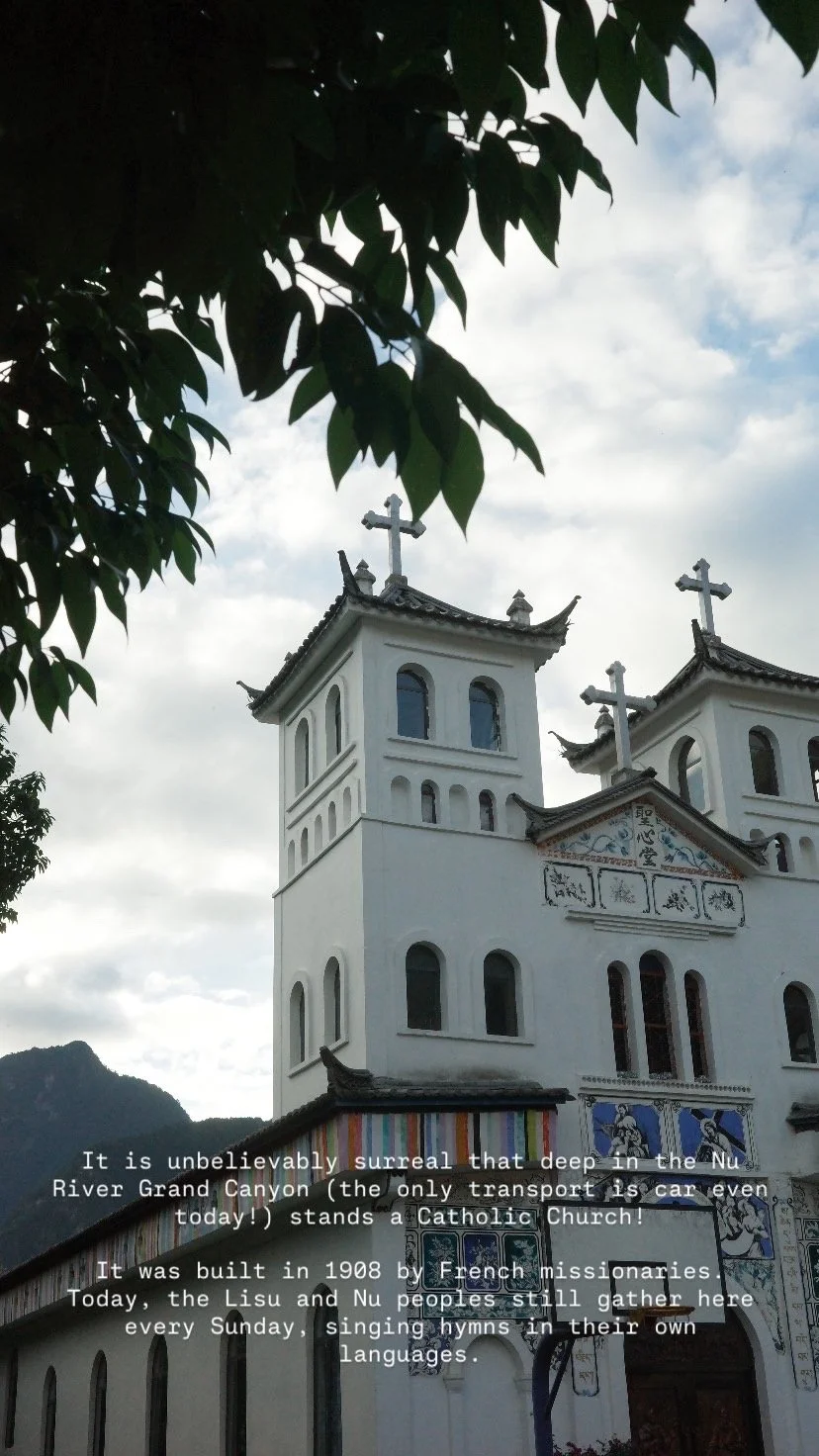
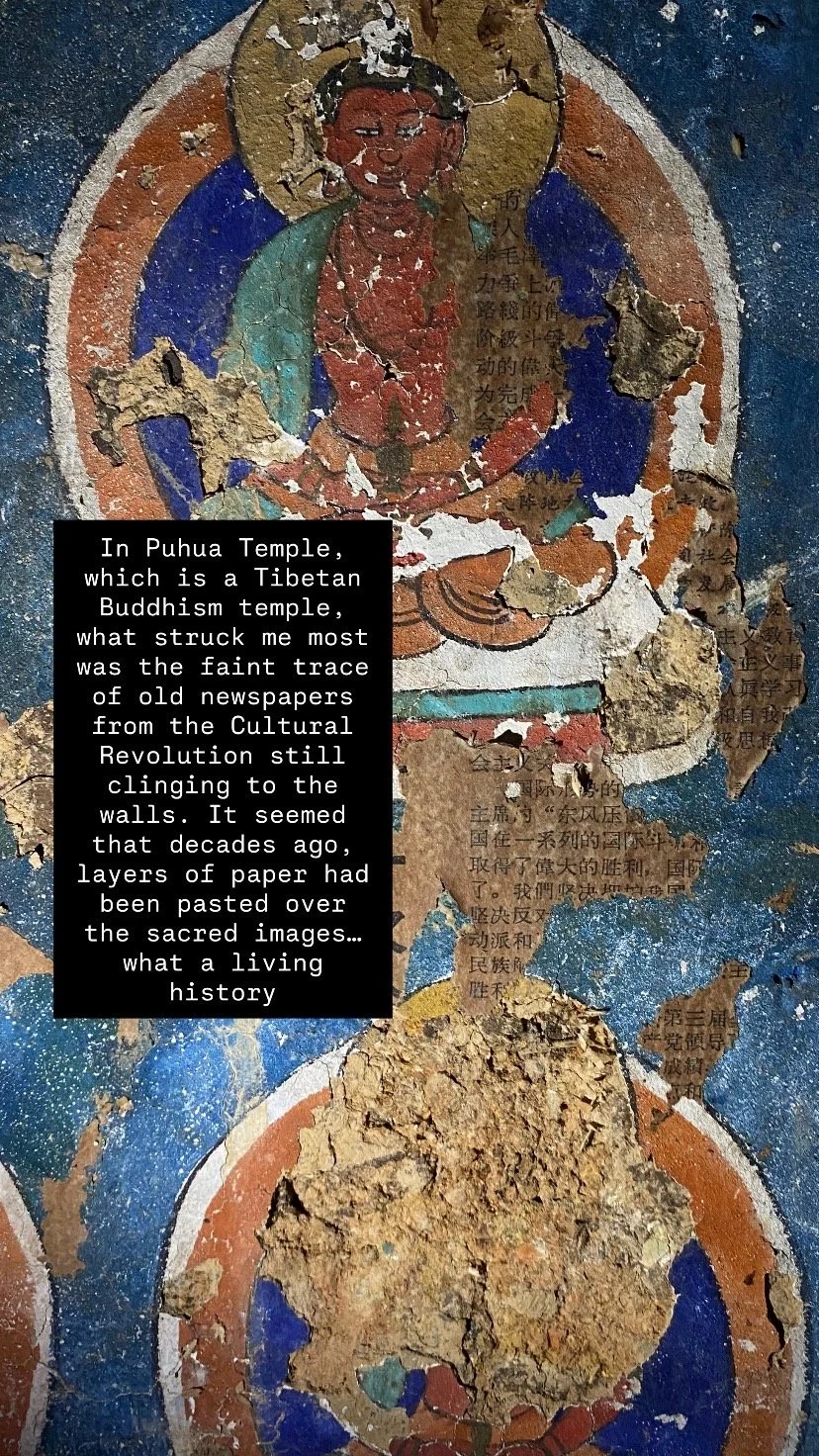
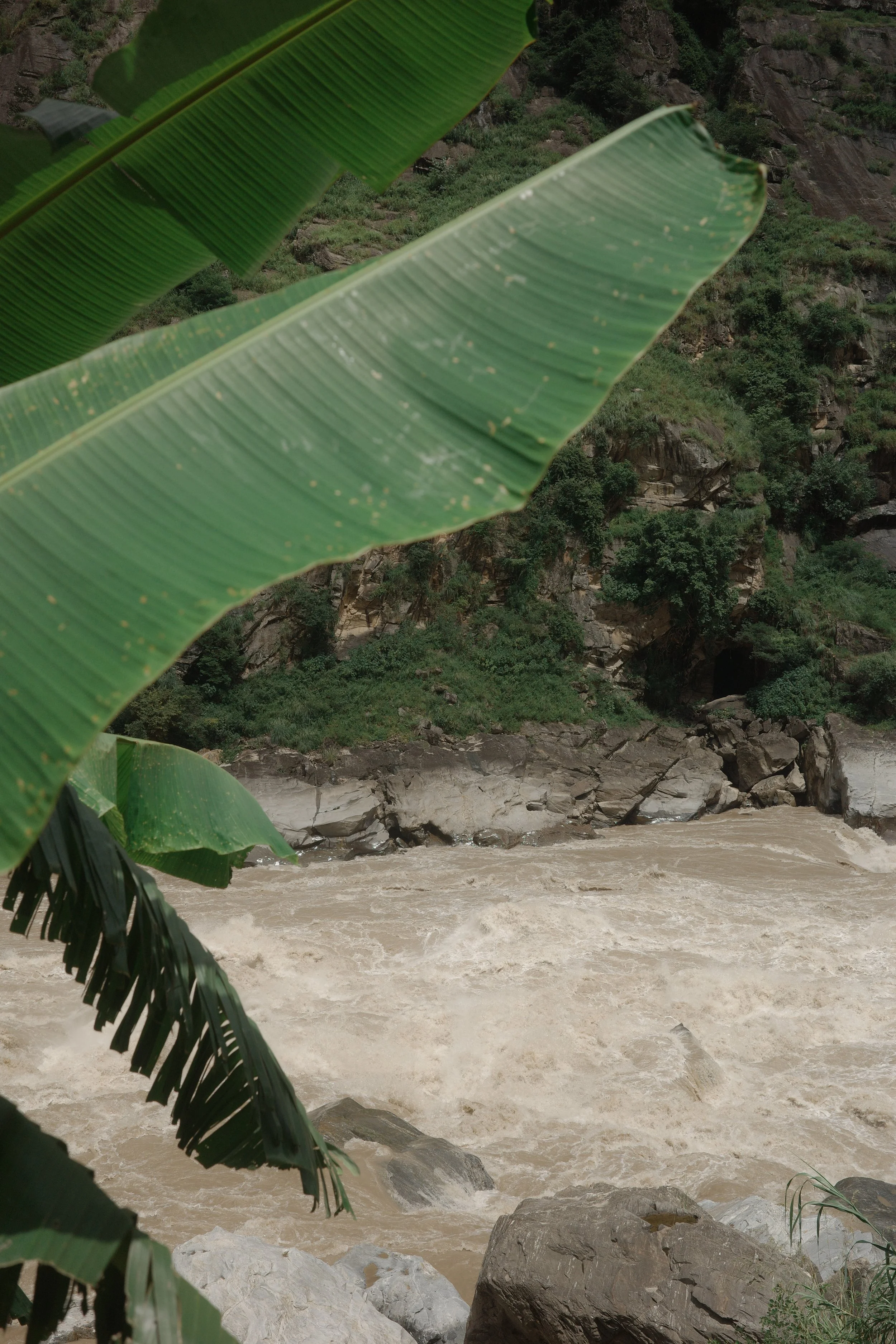
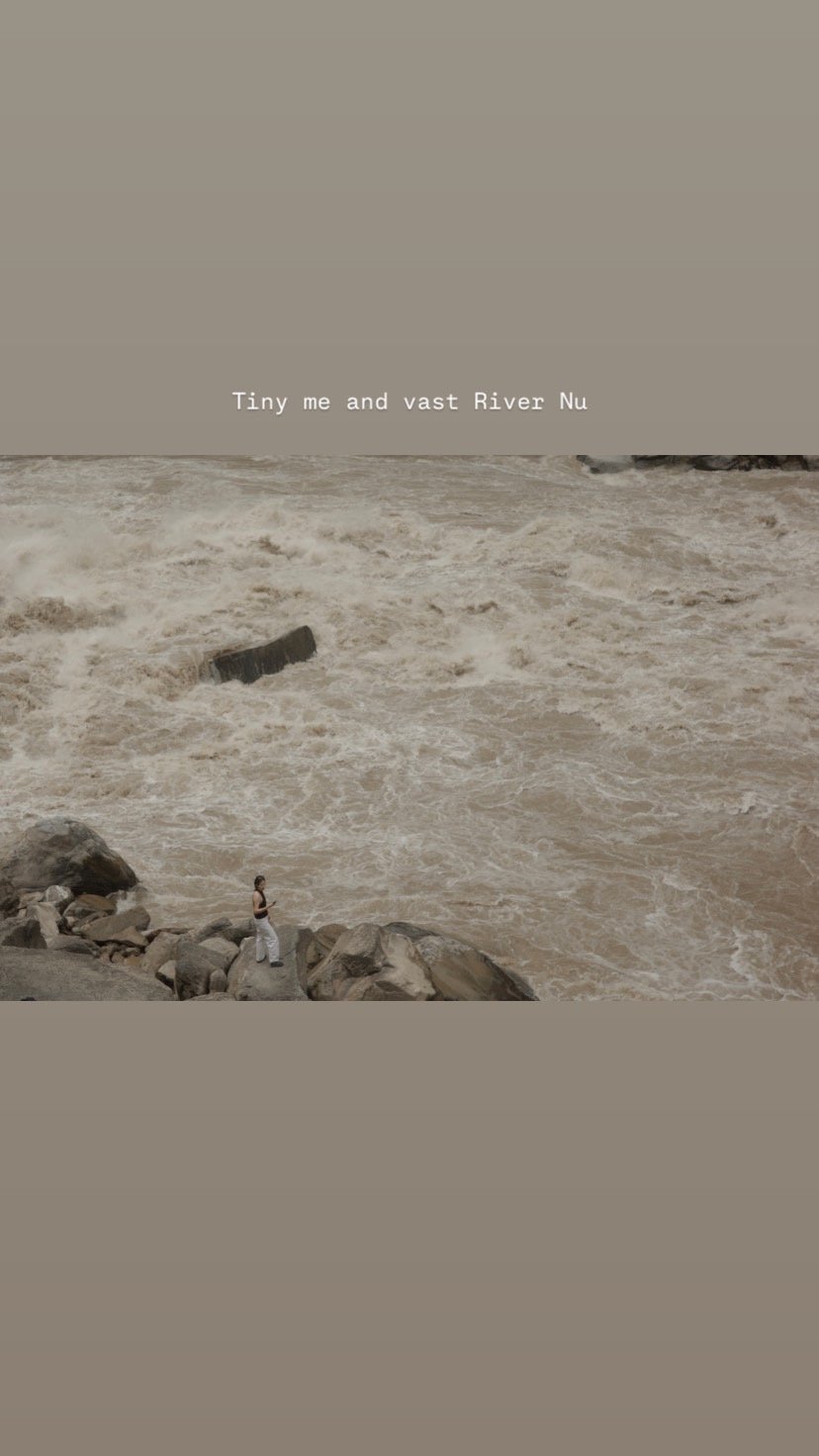
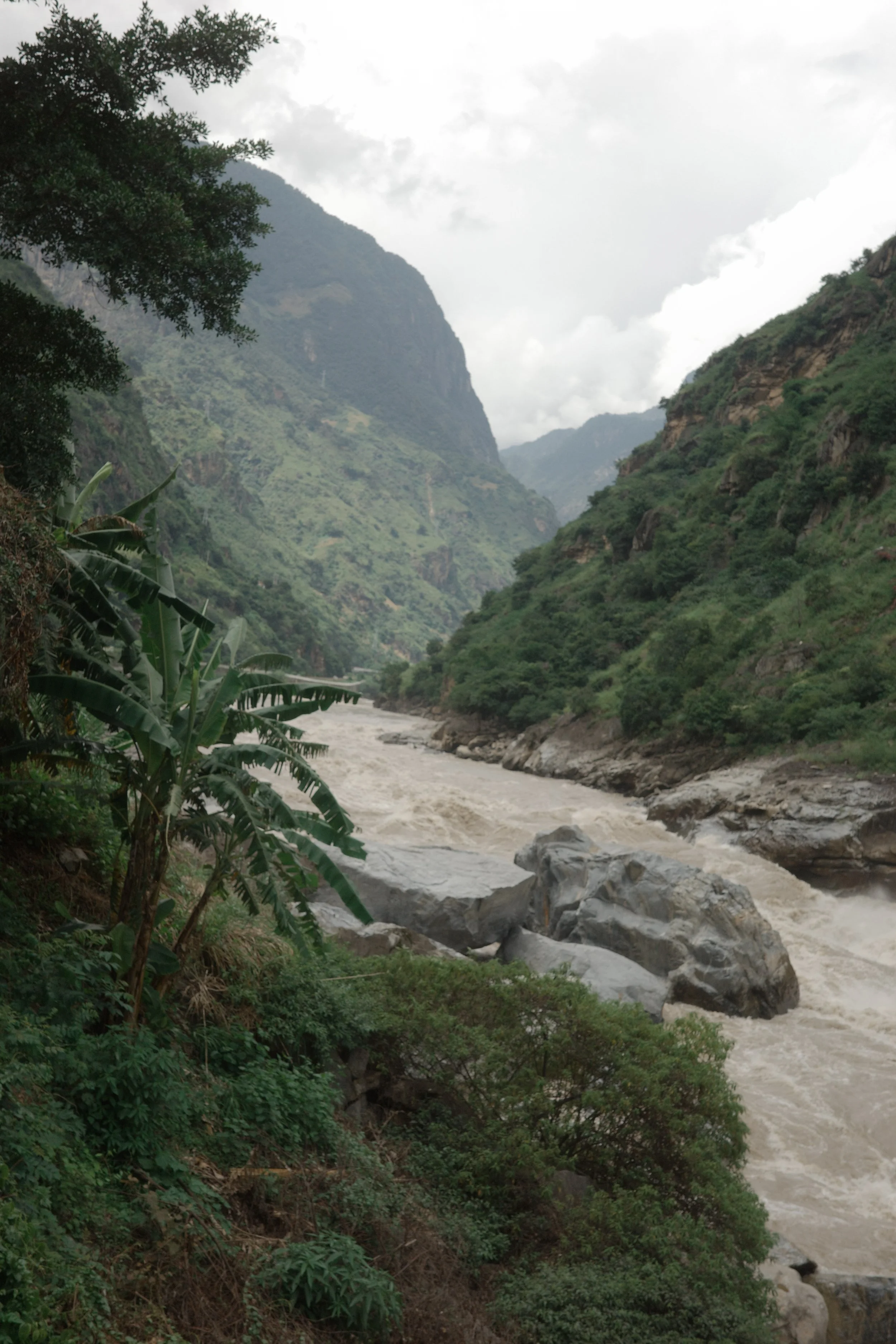
My favourite place in the whole trip! Spend the day exploring Bingzhongluo and nearby Wuli Village. Located near the northern end of the Nujiang Grand Canyon, this area is one of the most remote-feeling parts of Yunnan. Villages are scattered along steep slopes, and the river cuts sharply through the terrain, creating a sense of isolation and scale.
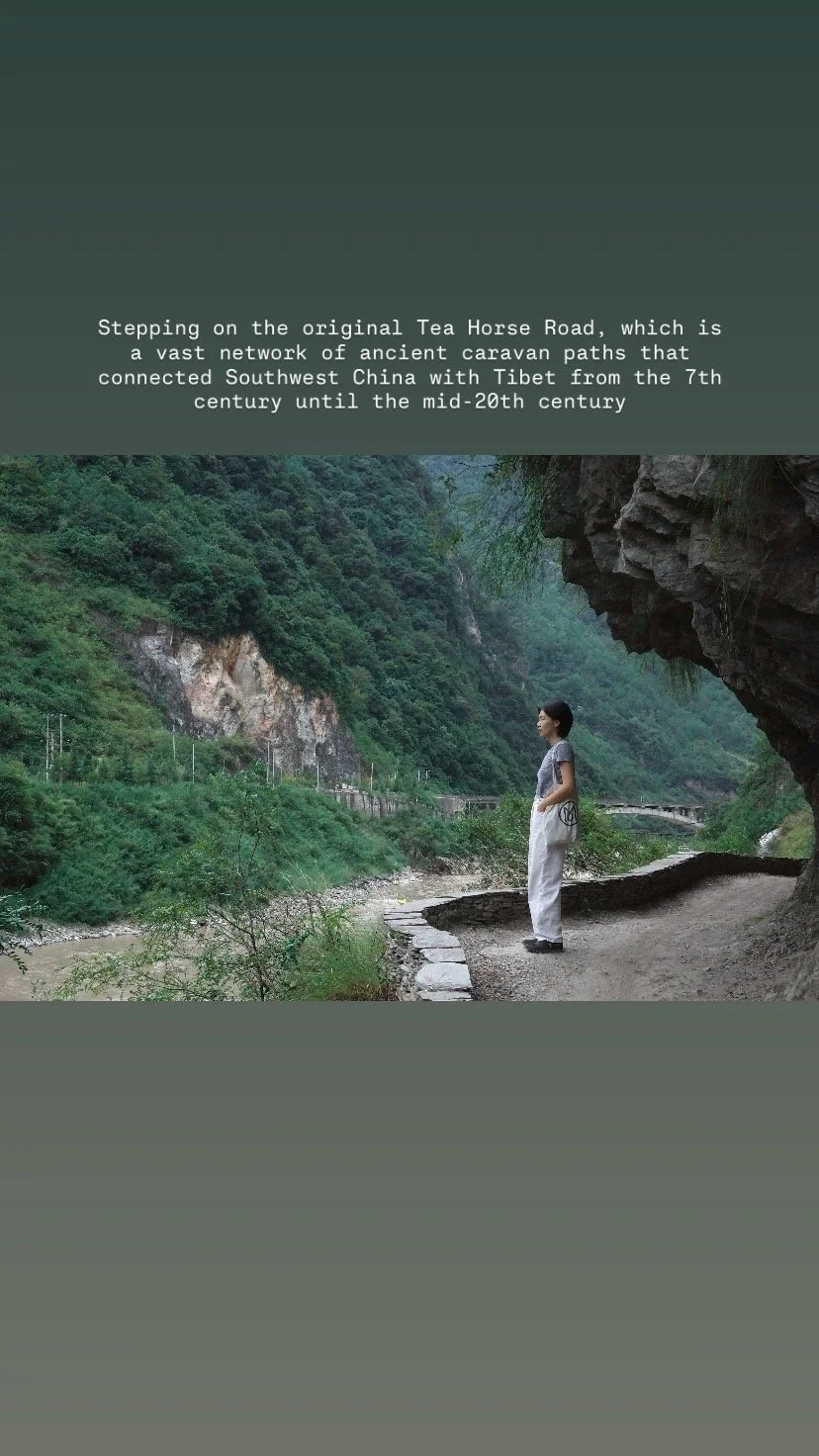
Day 9 — Bingzhongluo → Laomudeng
Drive south along the Nujiang canyon toward Laomudeng. The road follows the river closely, with constant elevation changes and narrow cliffside sections. Laomudeng sits high above the valley and is known for its views and Nu ethnic culture, offering a quieter, more atmospheric stop.
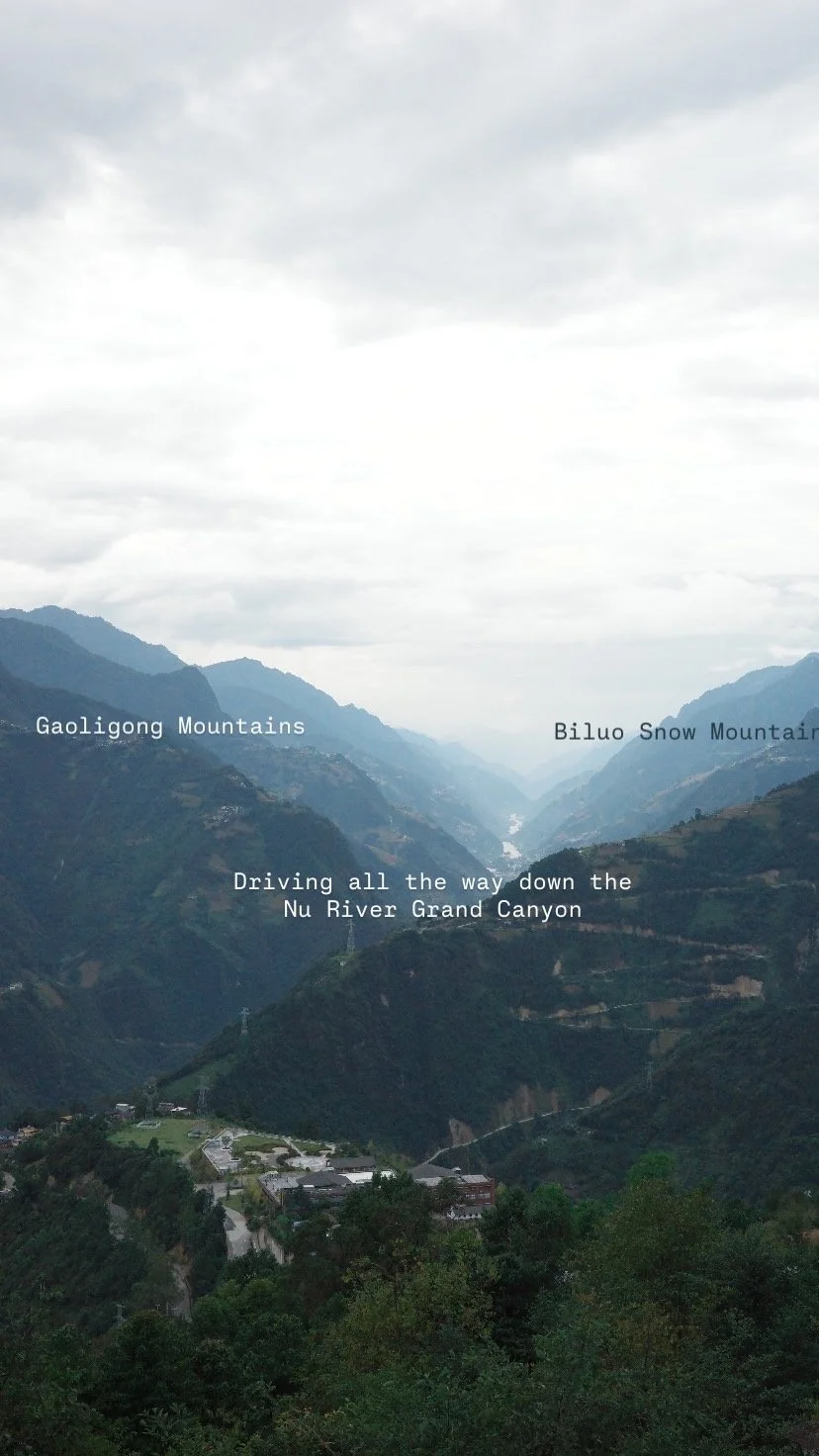
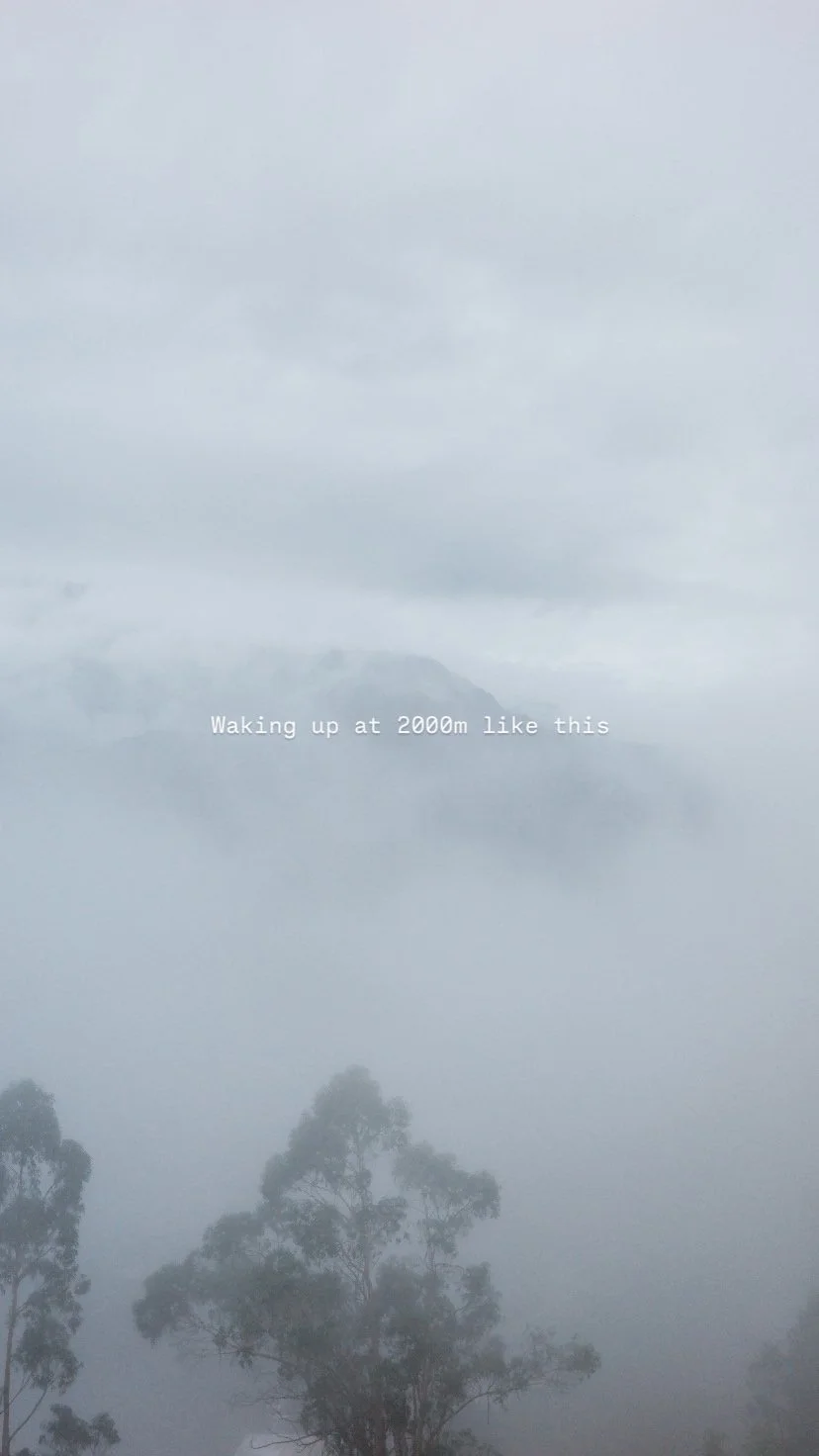
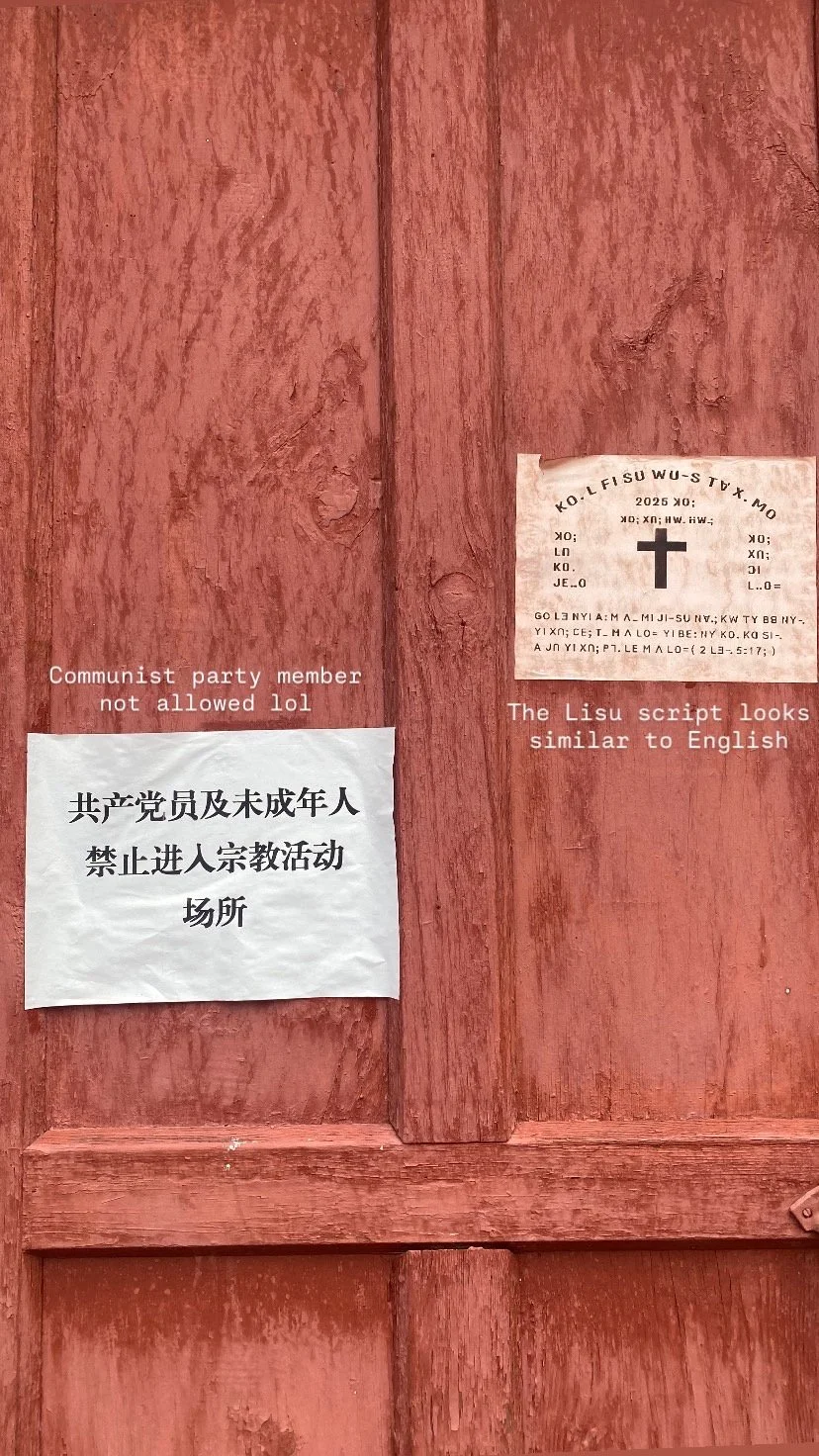
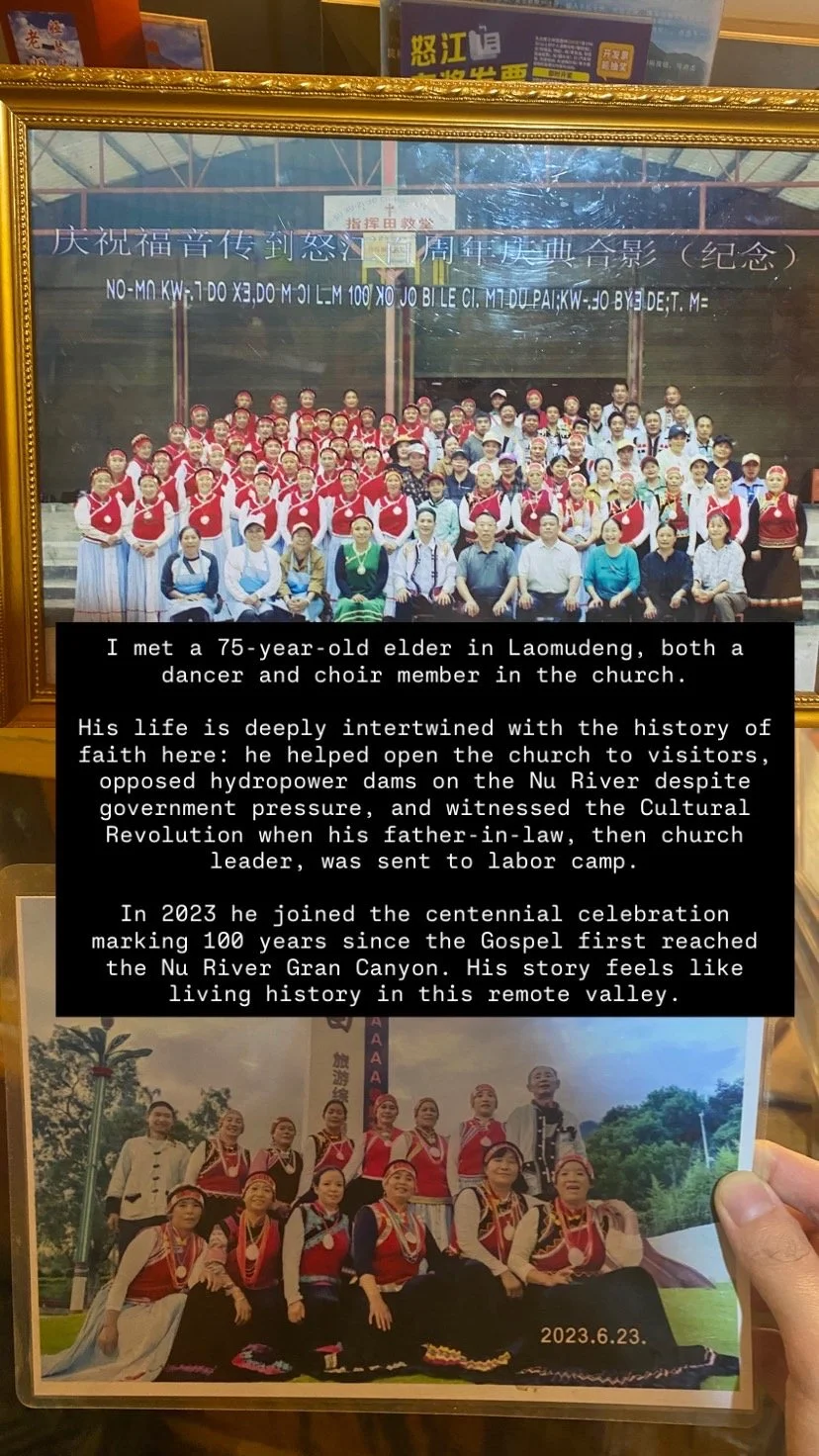
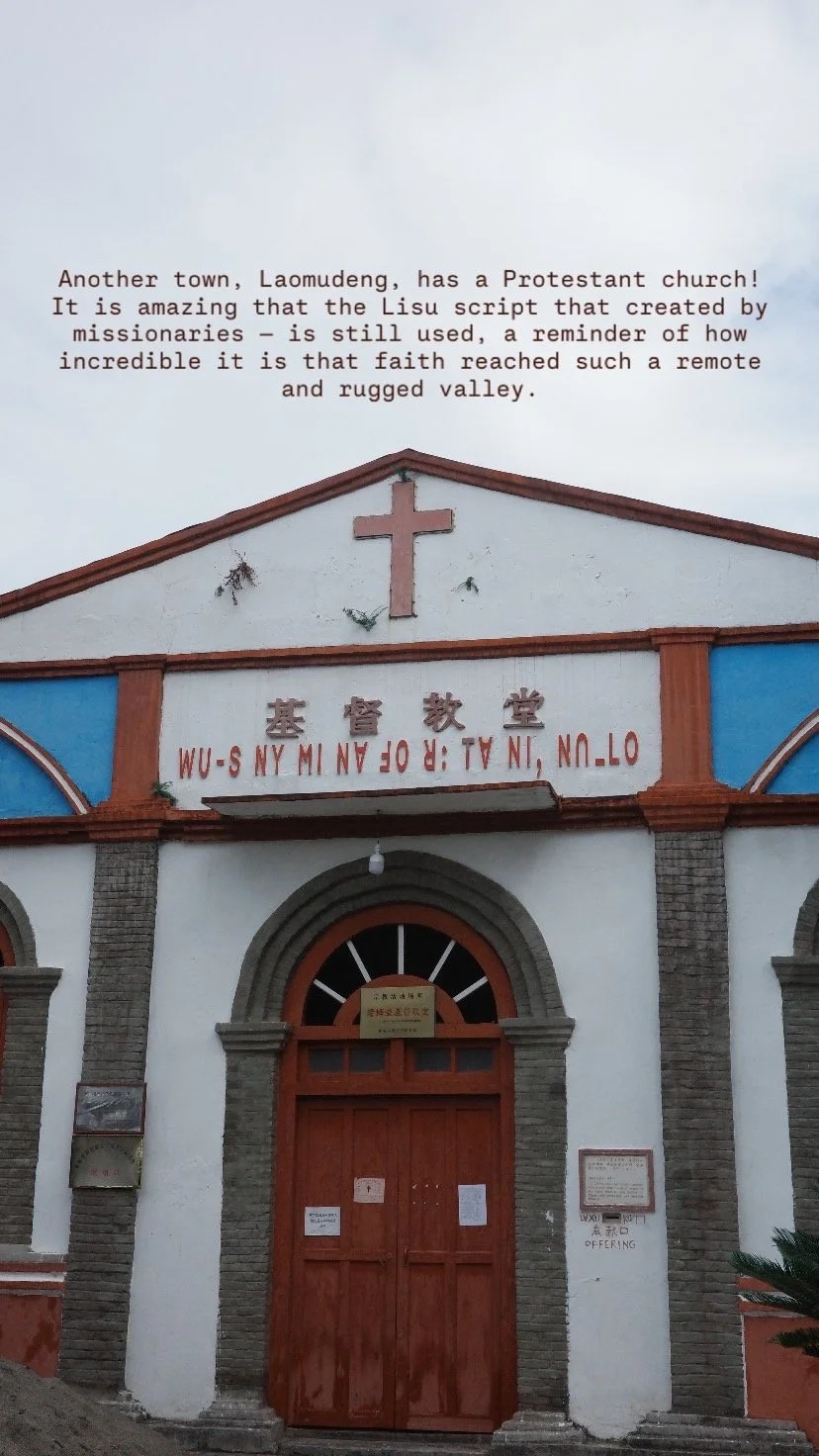
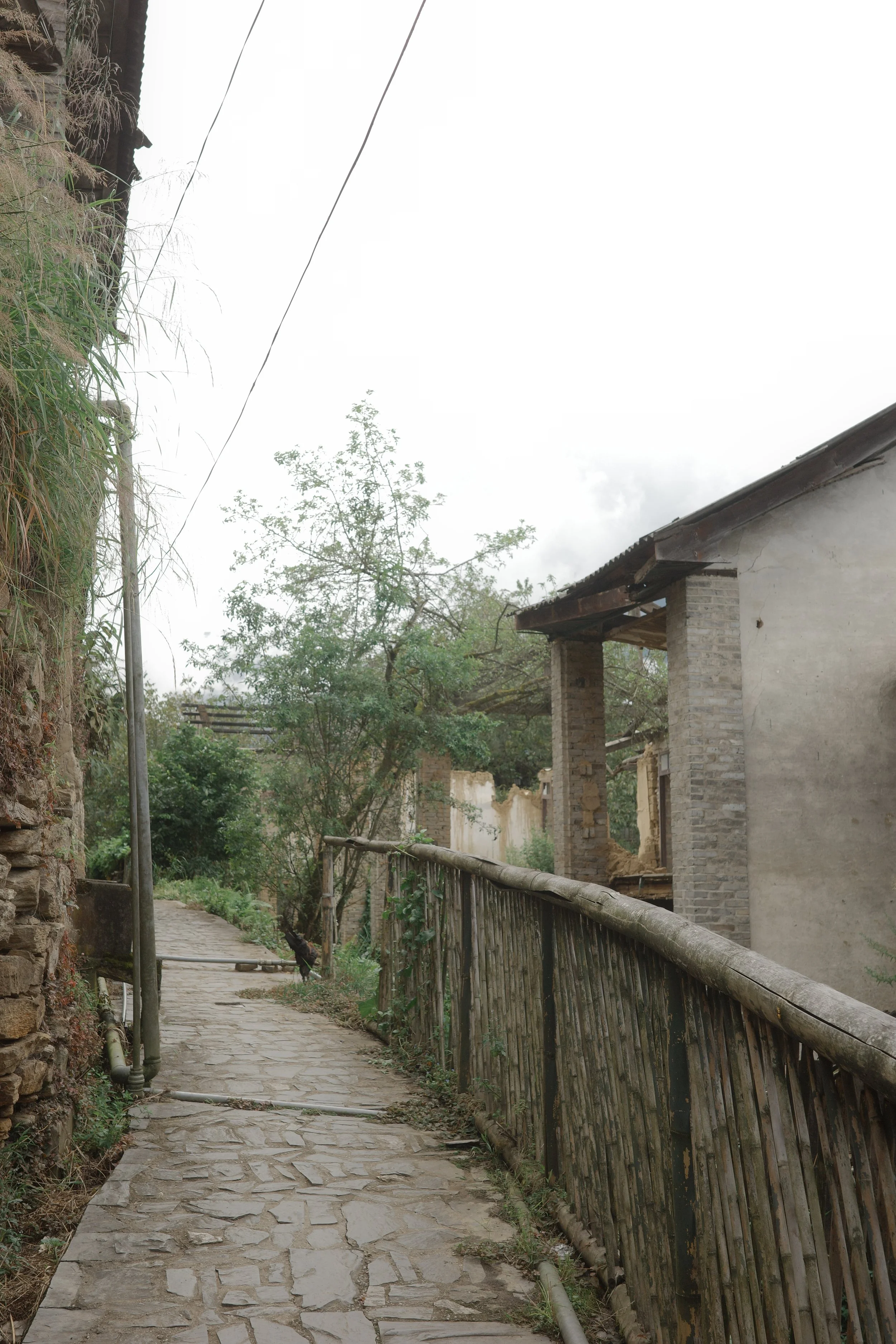
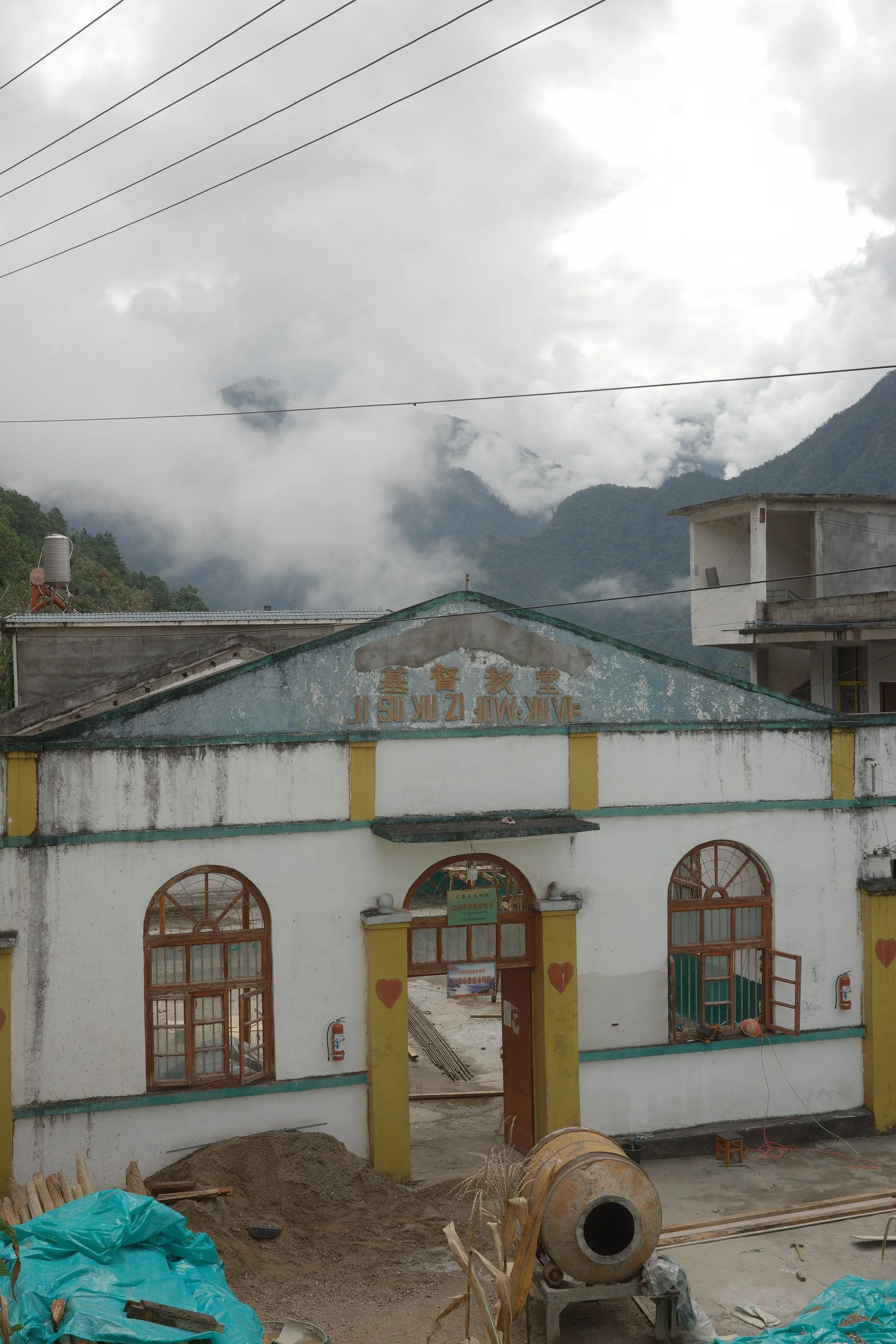
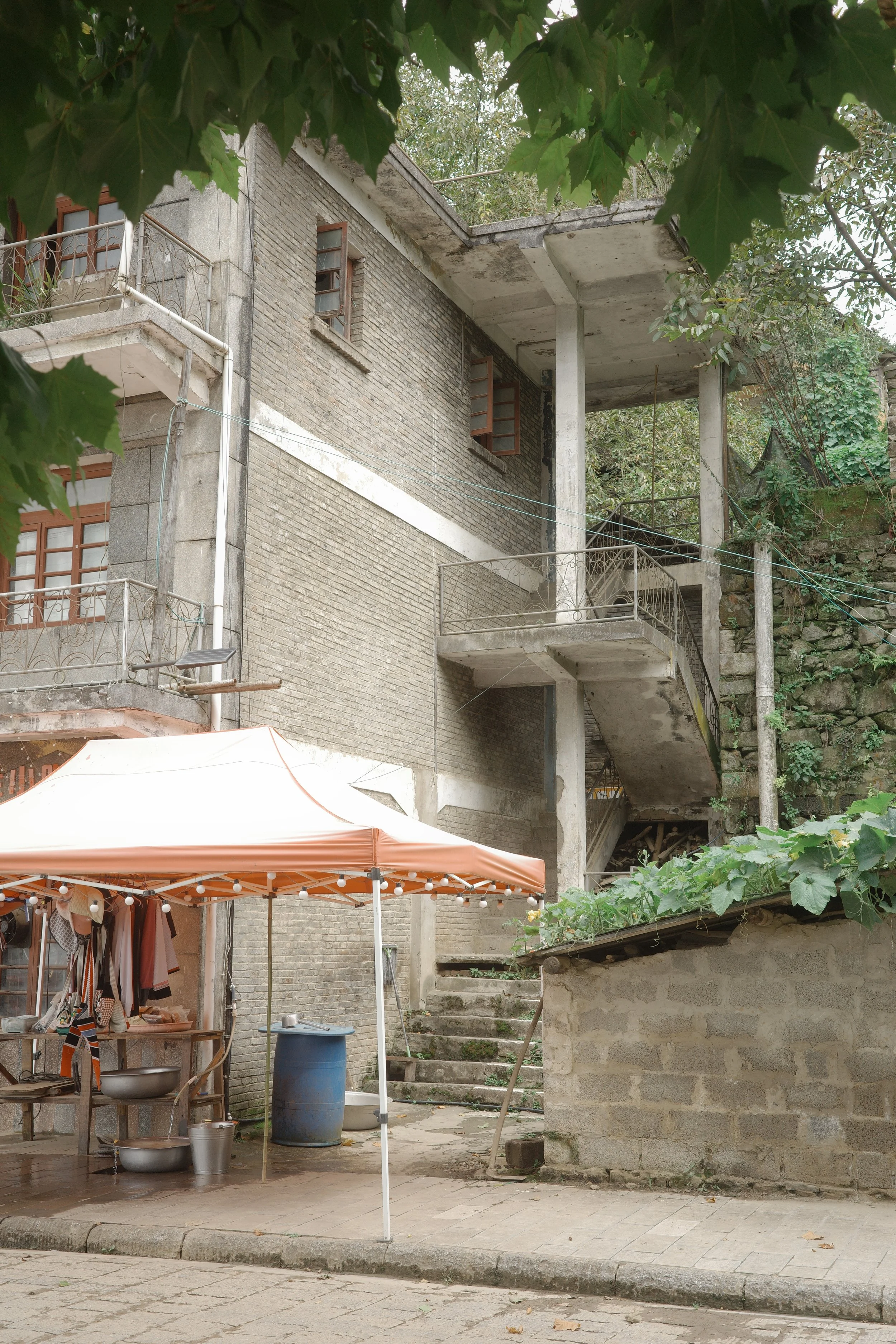
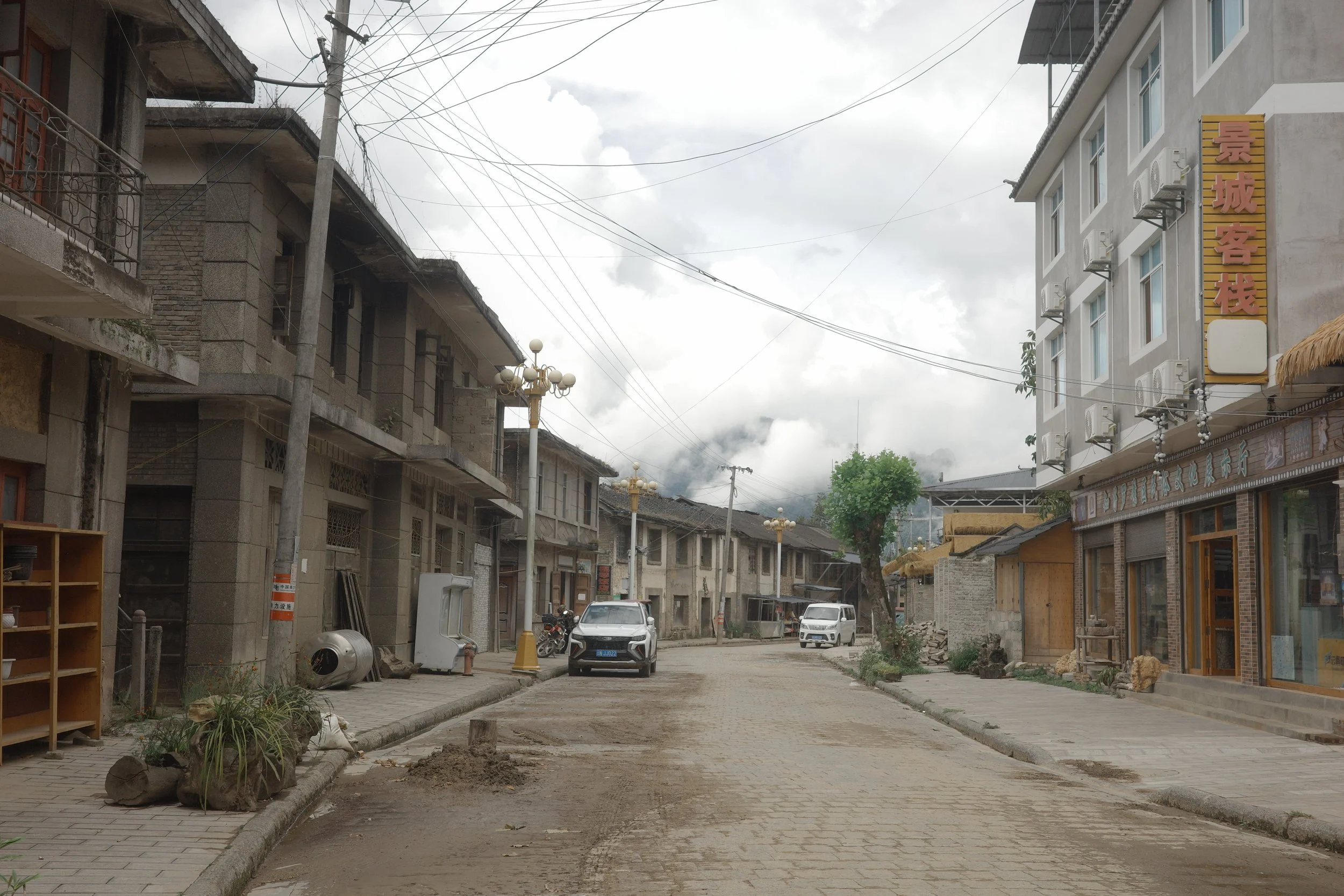
Day 10 — Laomudeng → Zhiziluo → Liuku
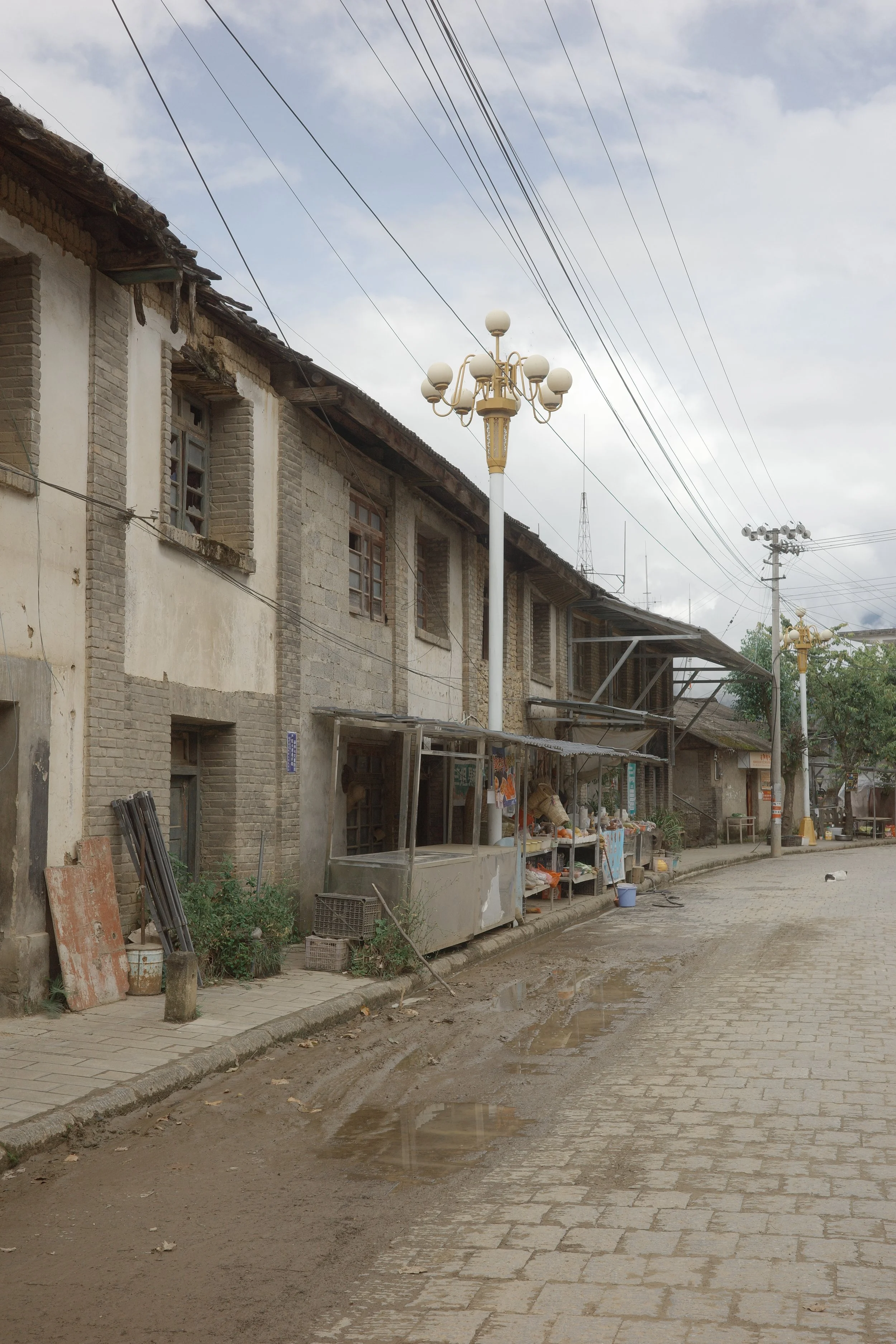
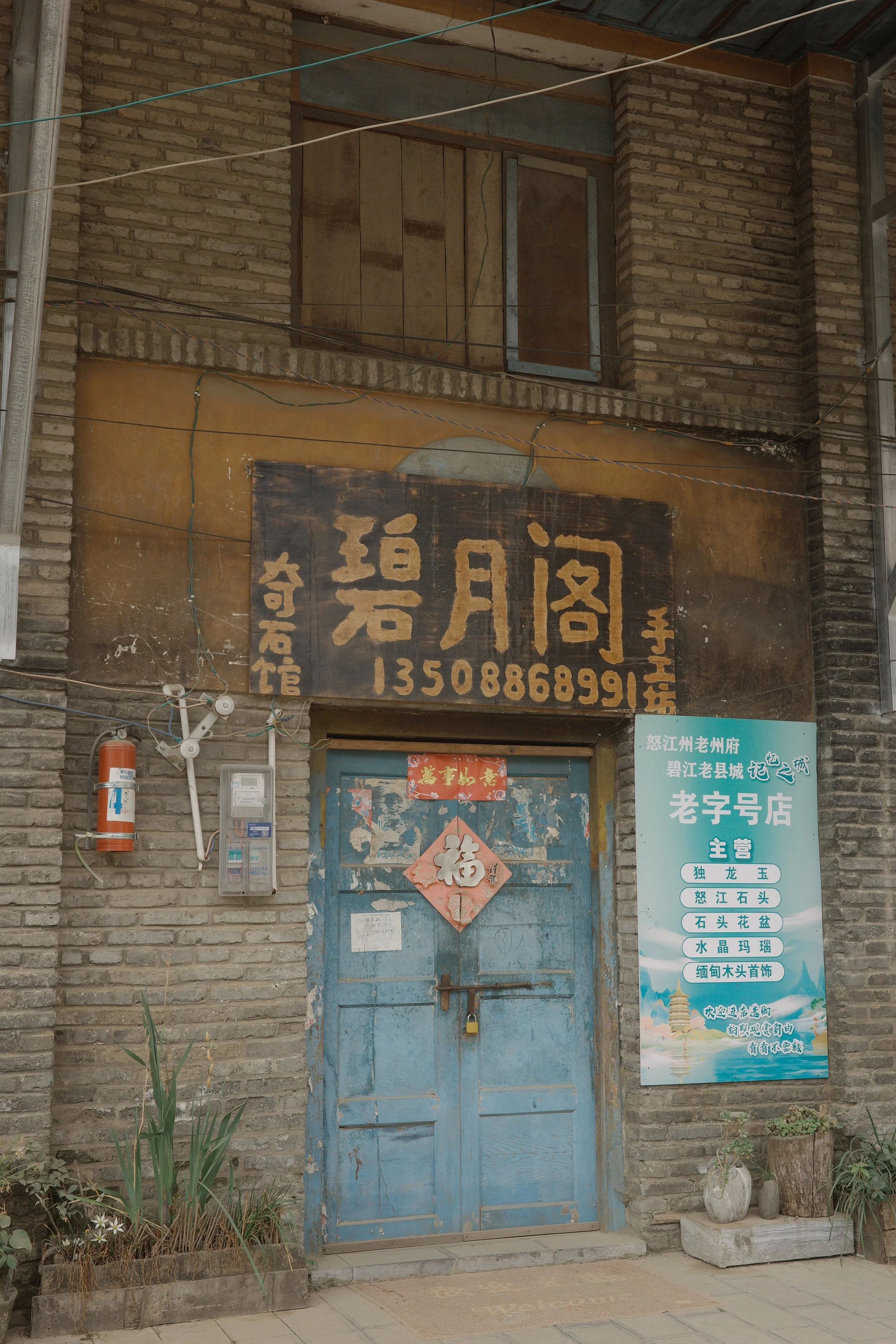
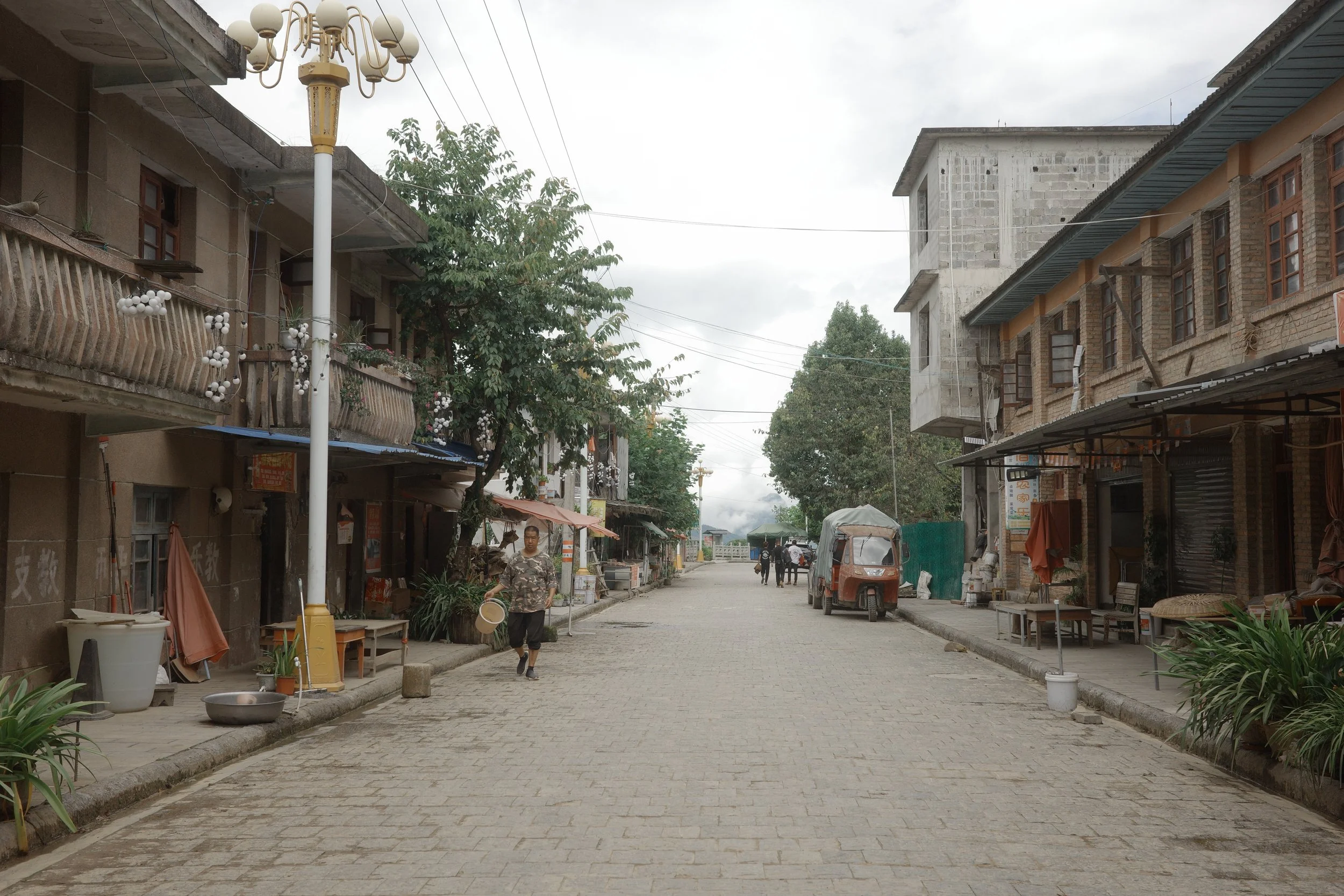
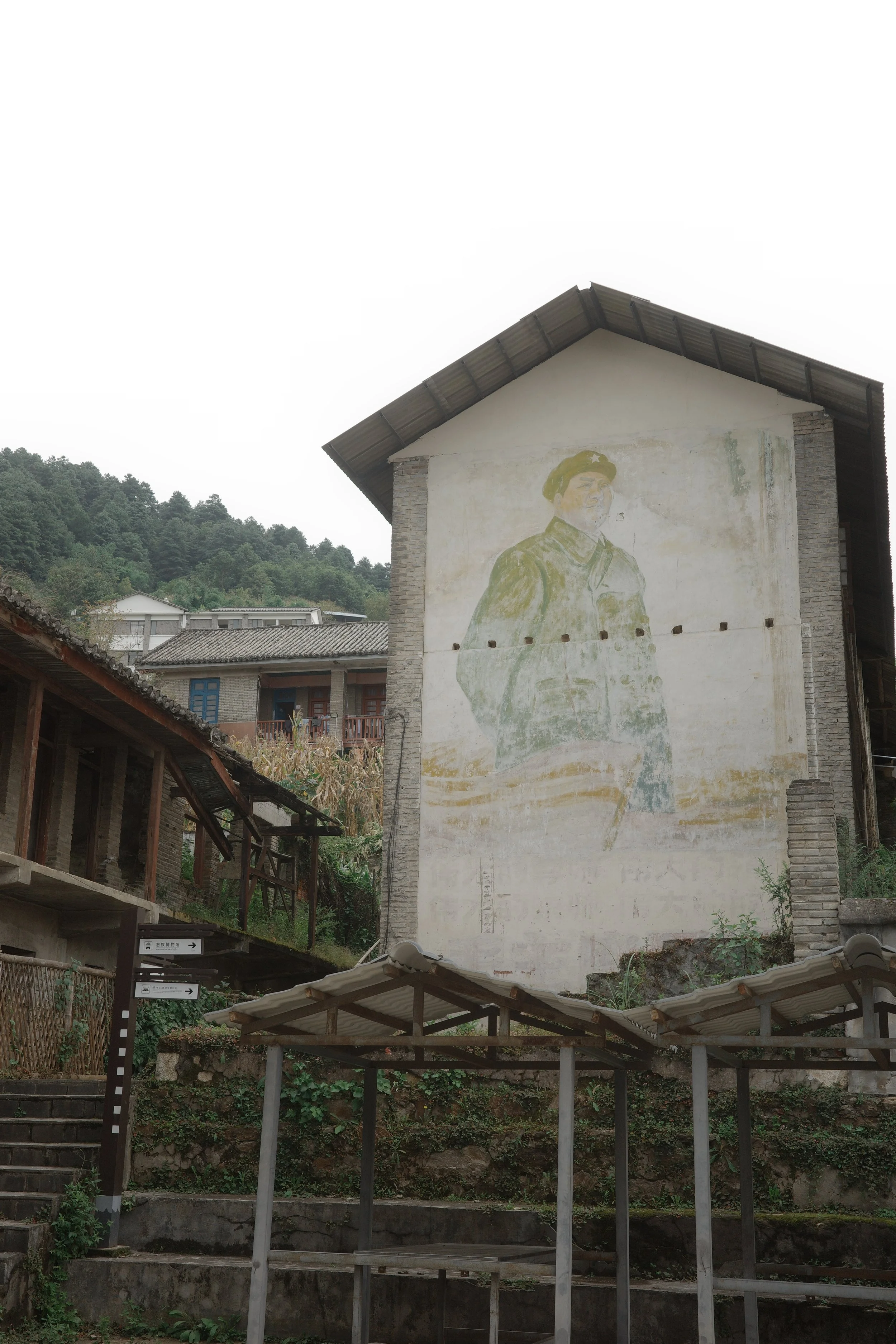
Visit Zhiziluo, an abandoned hillside town that was once the administrative center of the region. Its preserved buildings and mountain setting give it a distinct, almost surreal atmosphere. Continue driving south to Liuku, where the valley widens slightly and infrastructure becomes more developed.
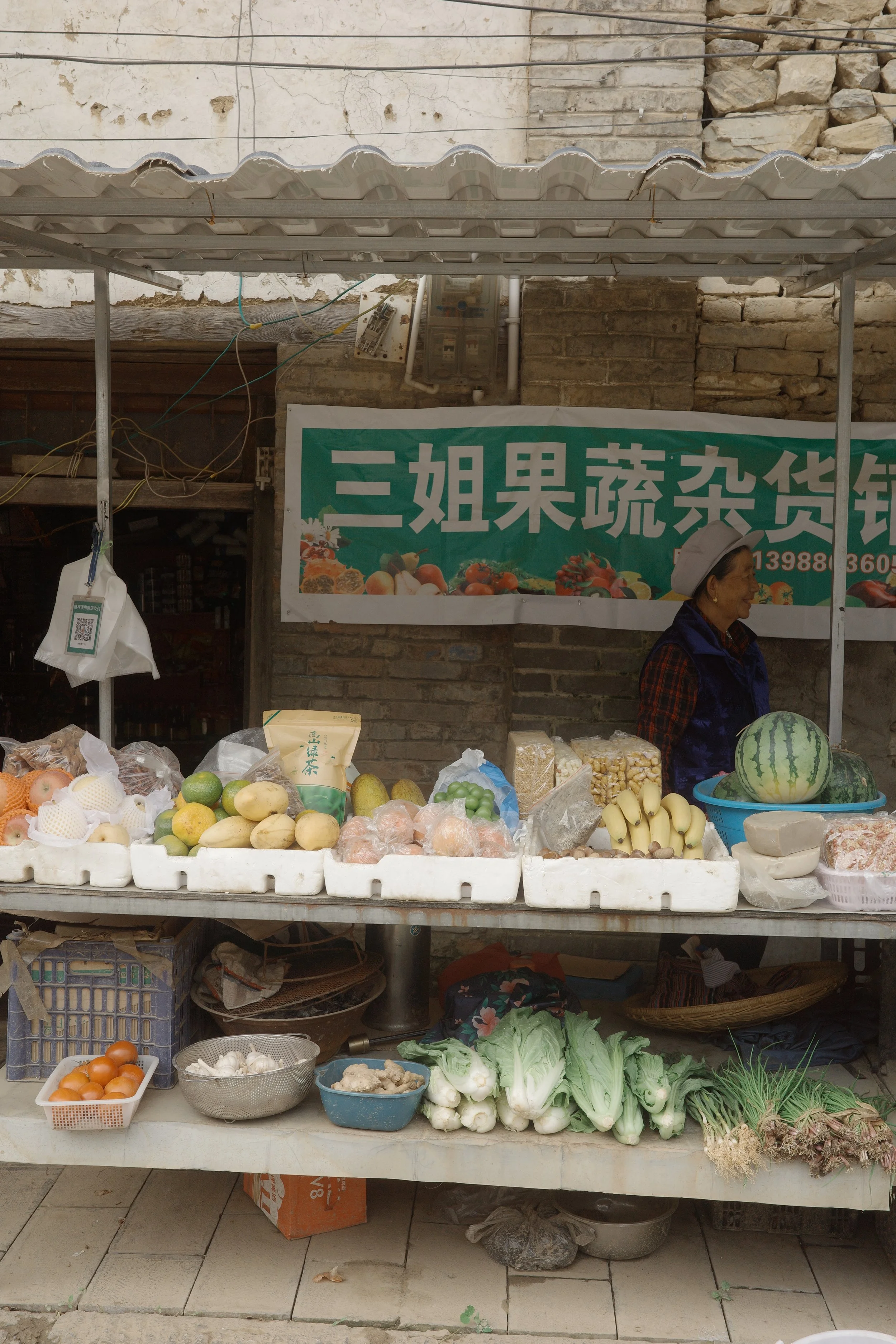
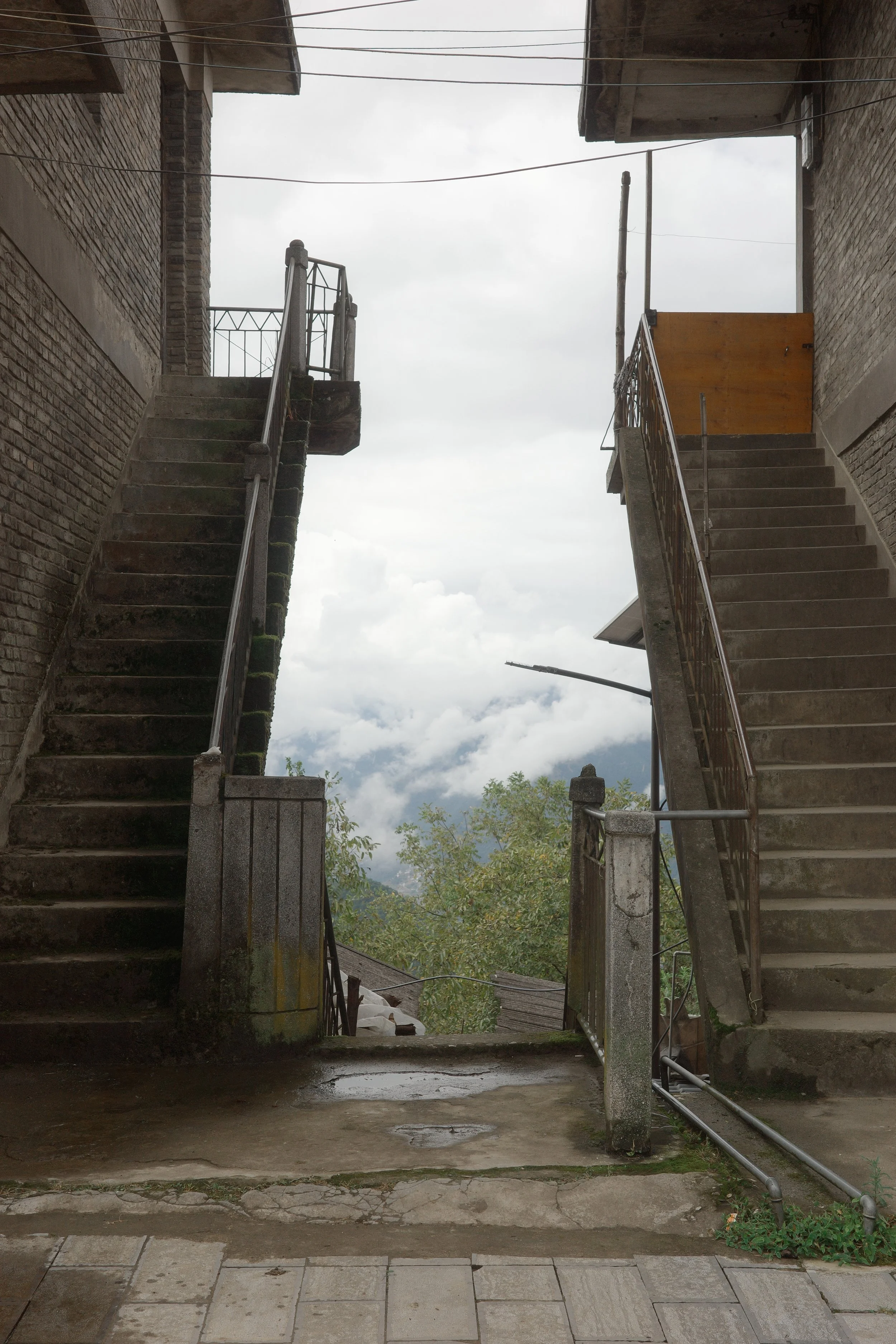
Day 11 — Liuku → Yongping (via Xianfeng Bookstore)
Stop at the Nujiang branch of Xianfeng Bookstore, a well-designed cultural space set against the dramatic canyon landscape.
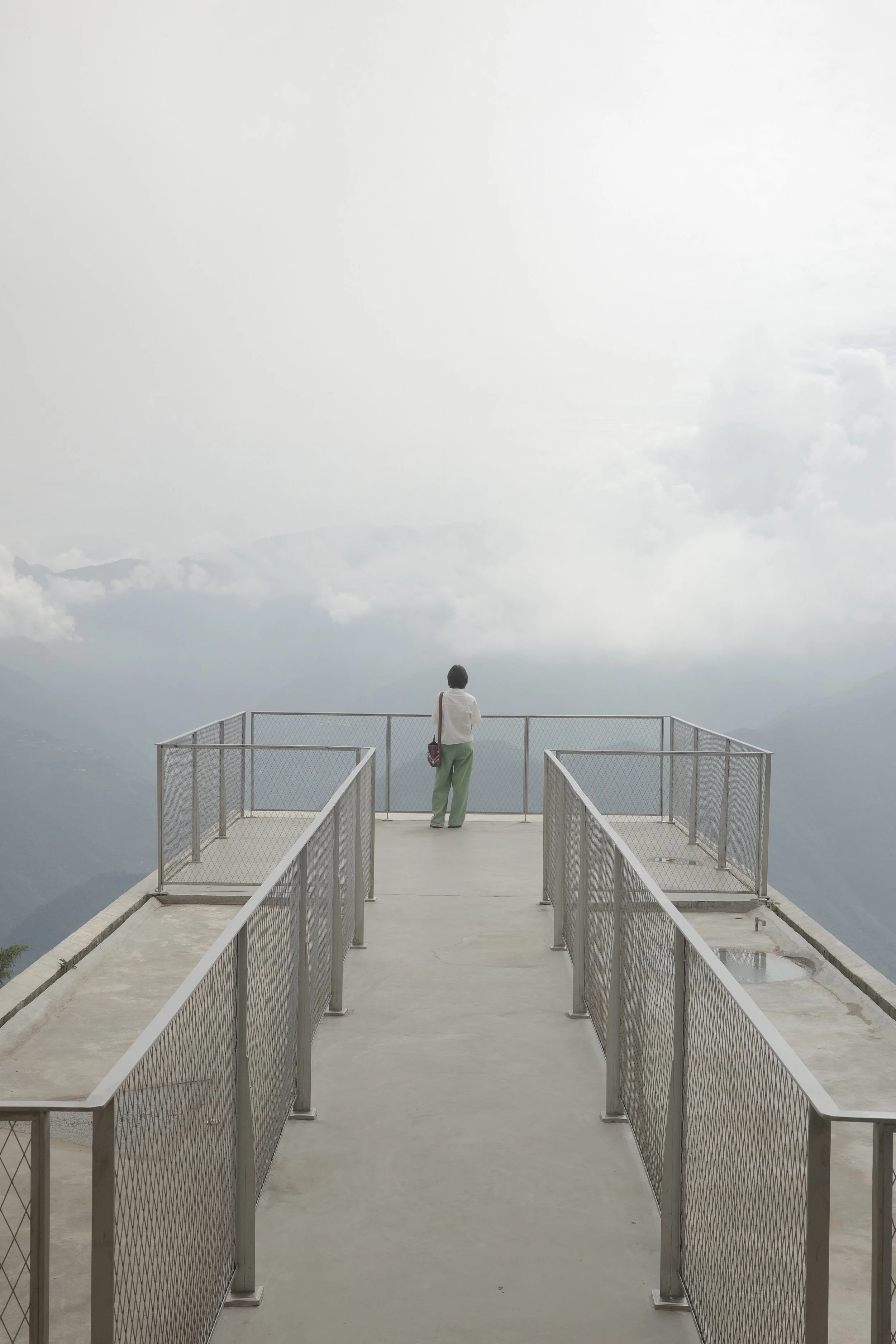
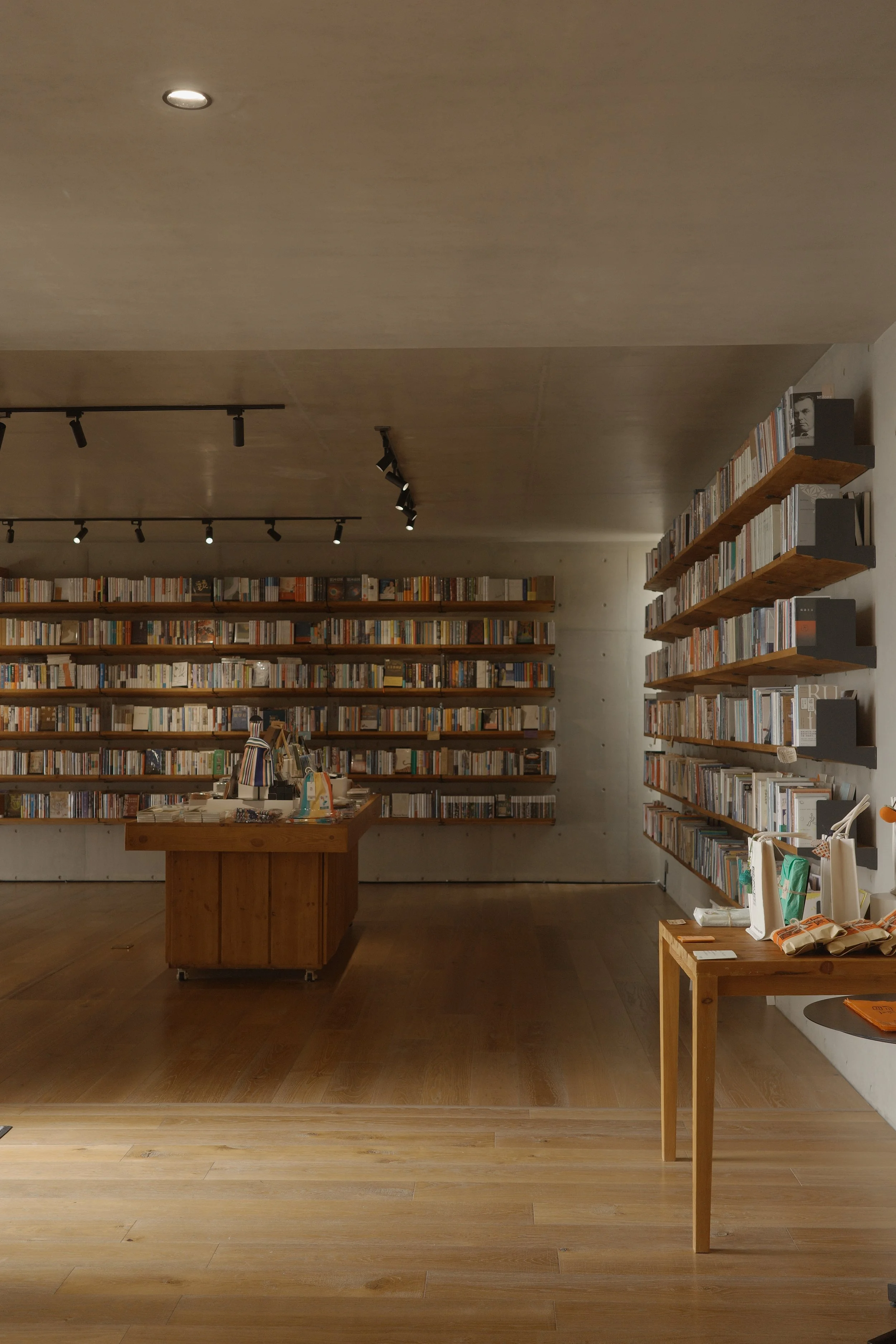
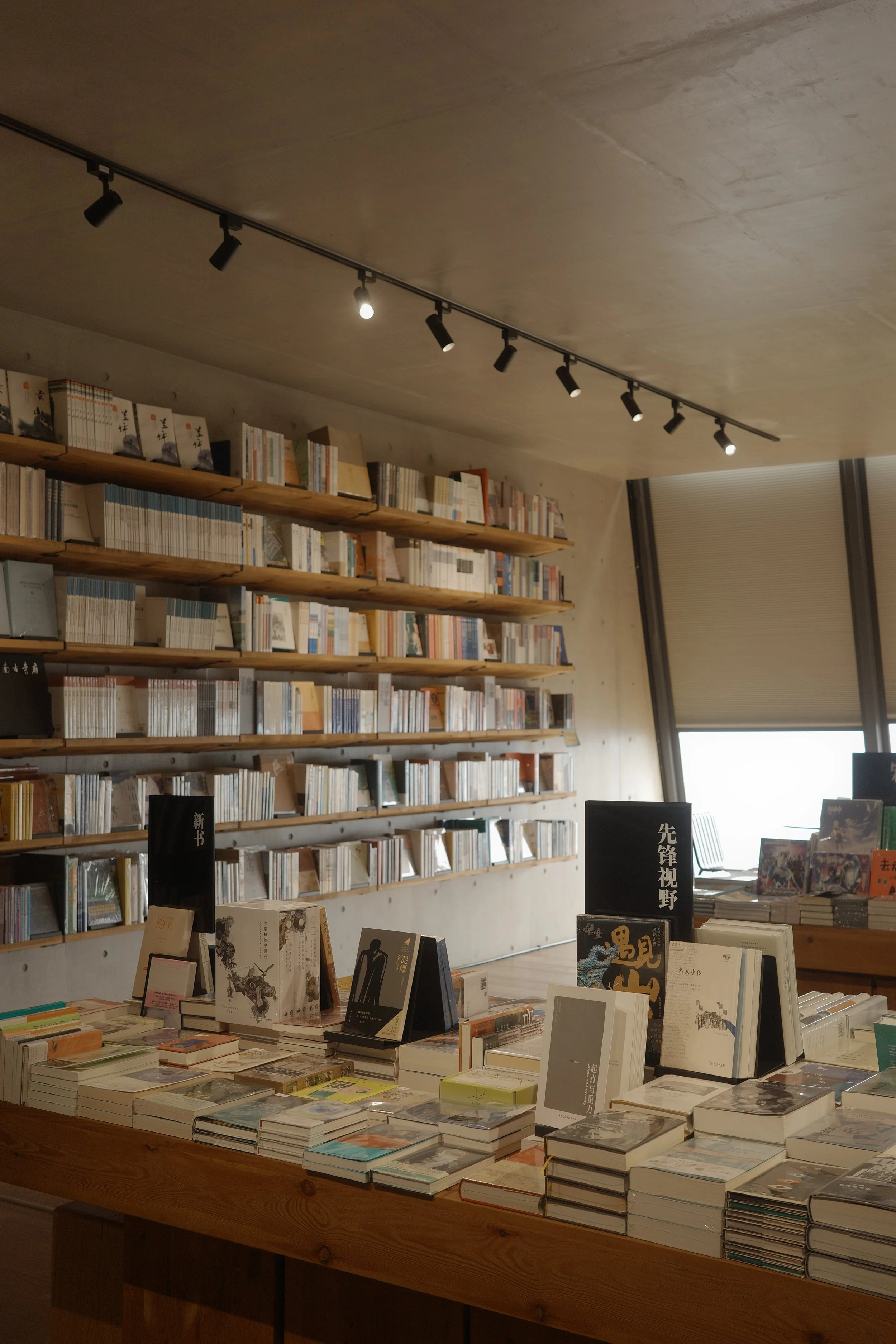
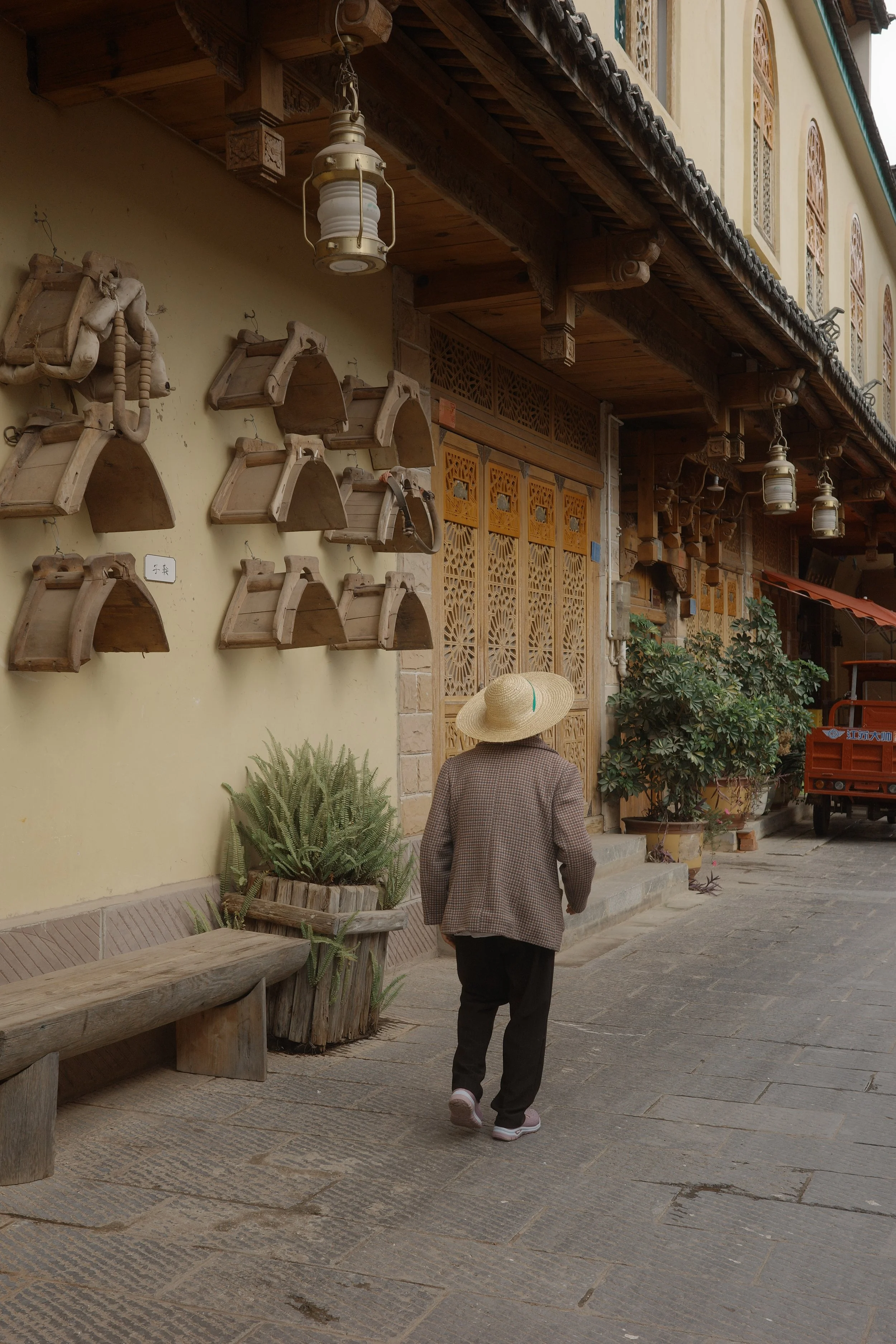
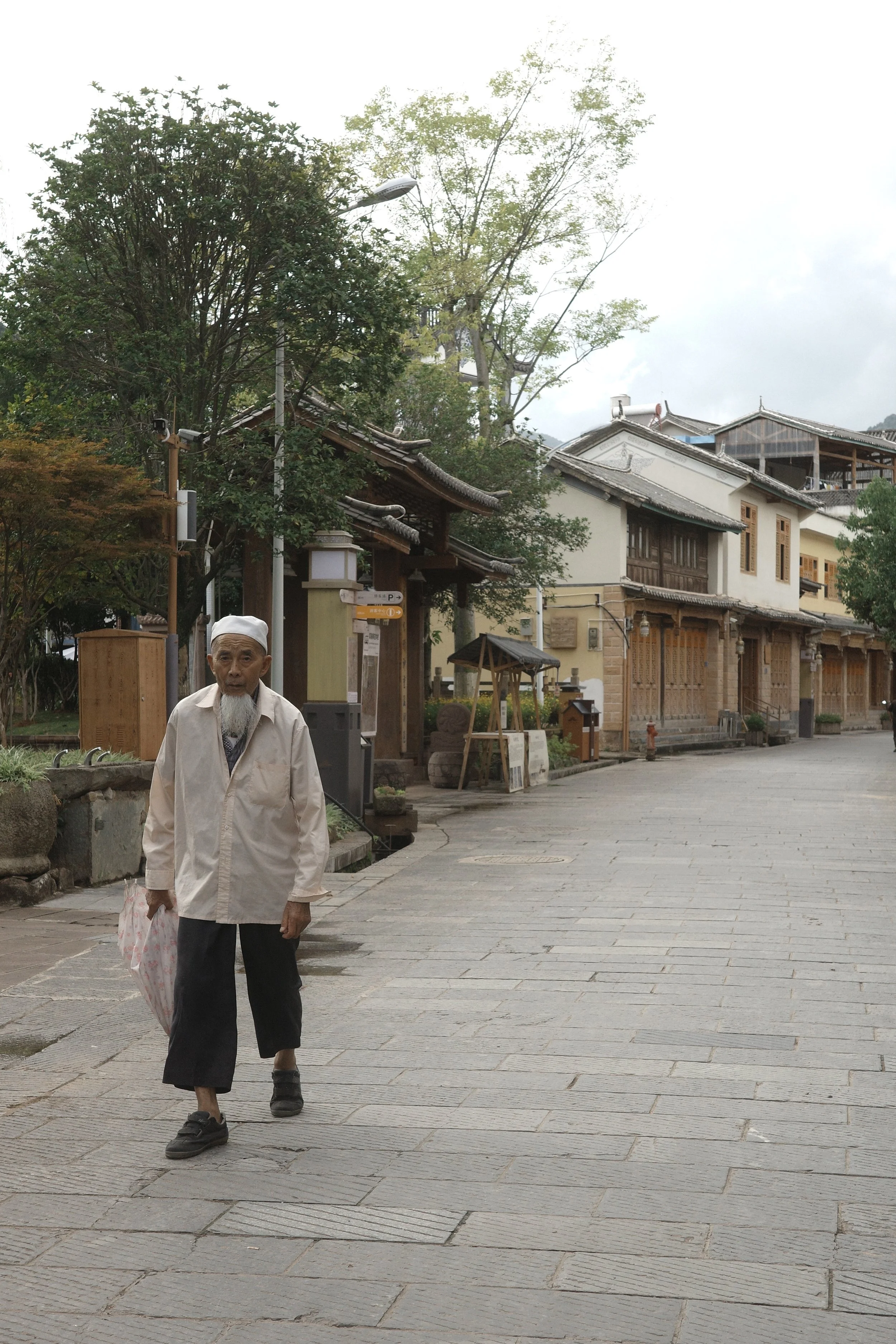
Then drive eastward out of the Nujiang valley toward Yongping. This marks a transition out of the canyon into more settled agricultural land. Yongping is known locally for its food, and Muslim community.
Day 12 — Yongping → Dali
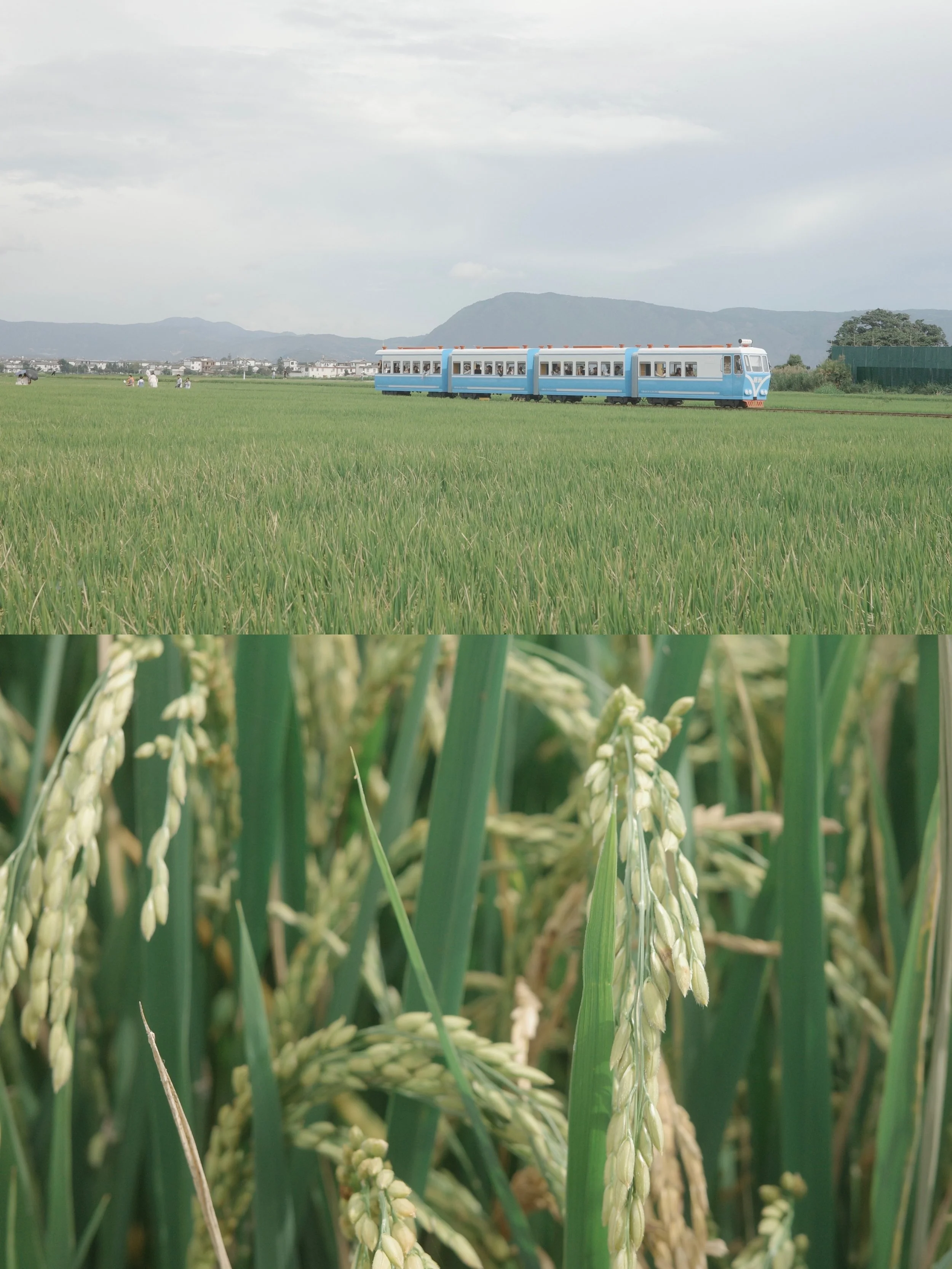
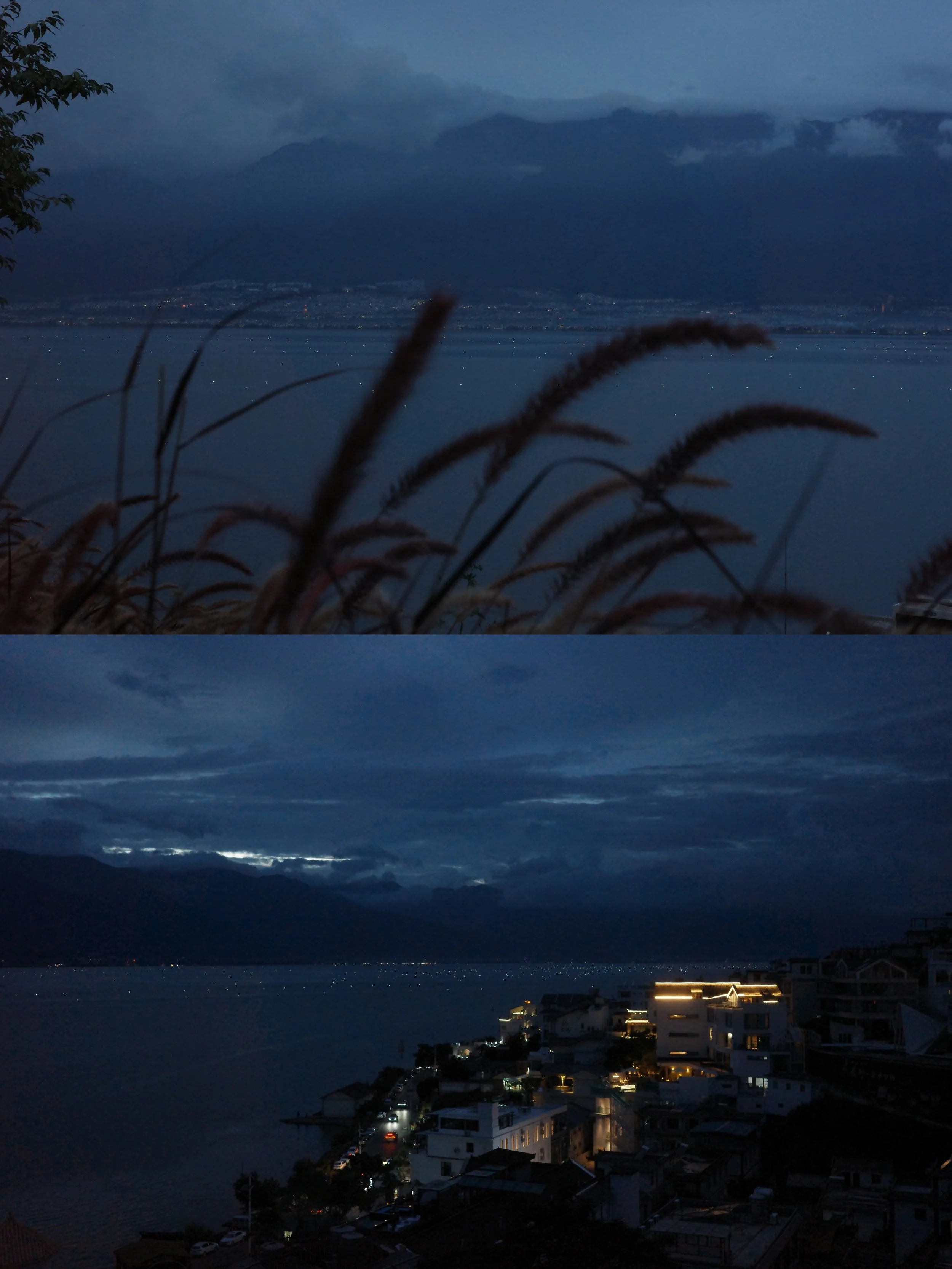
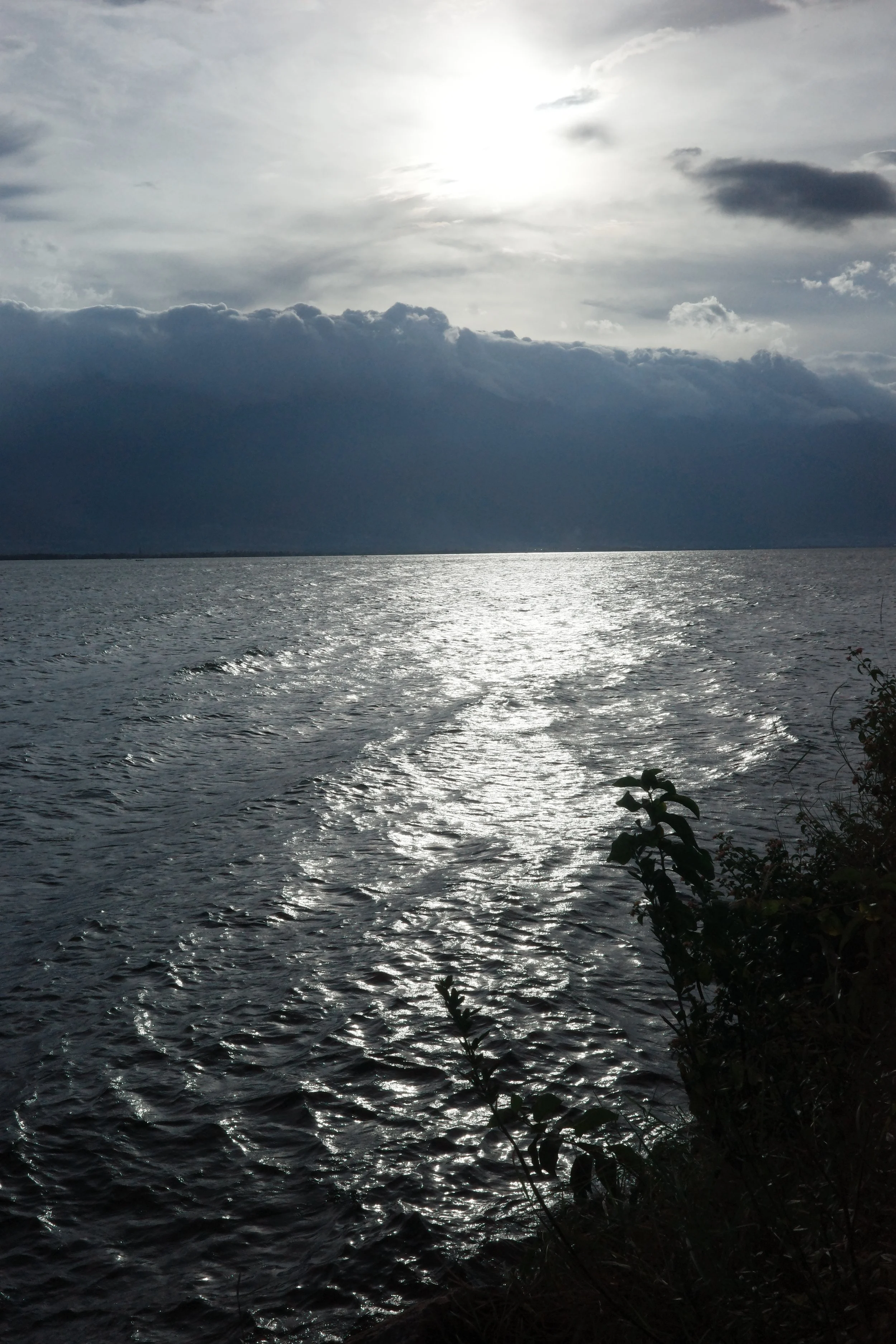
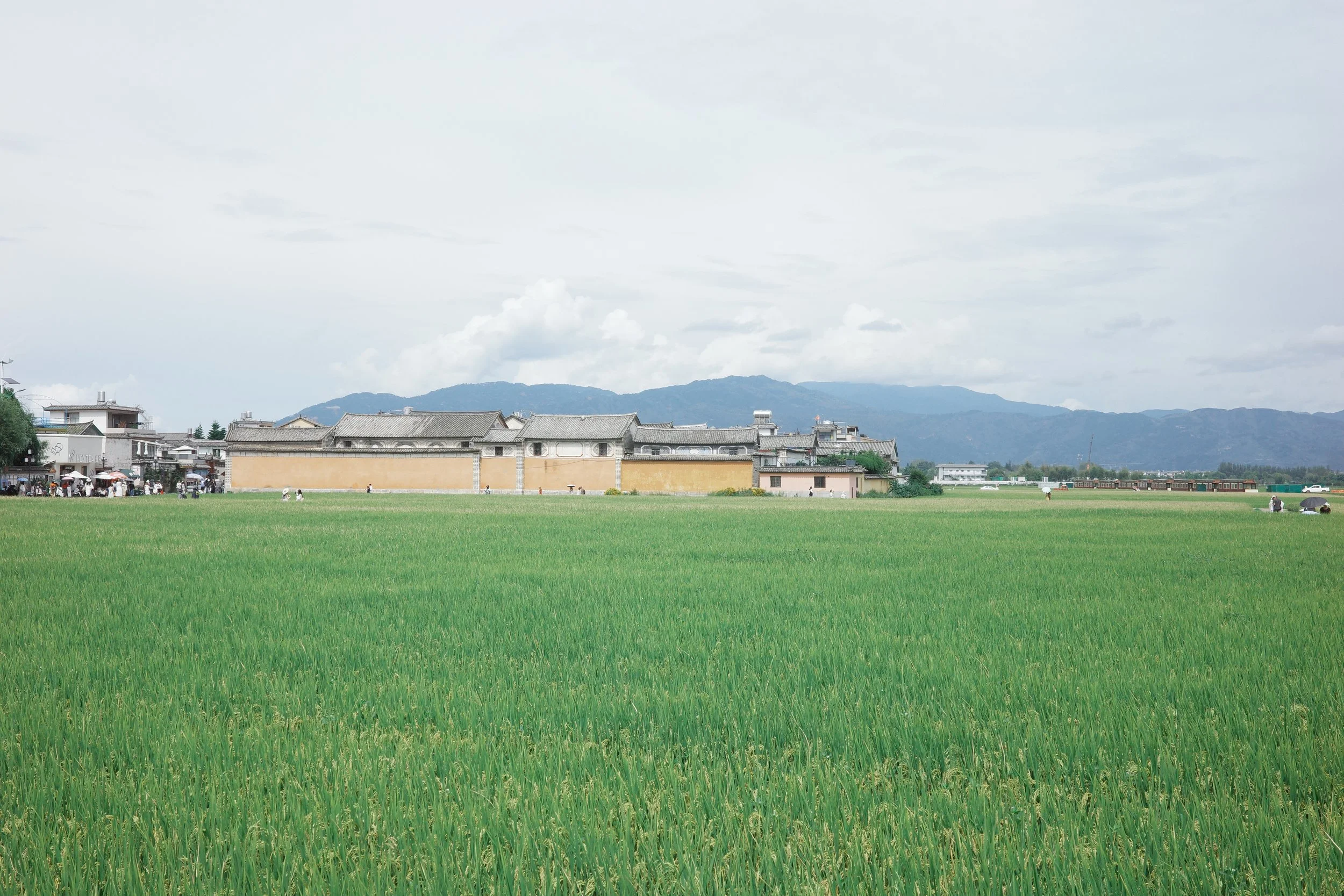
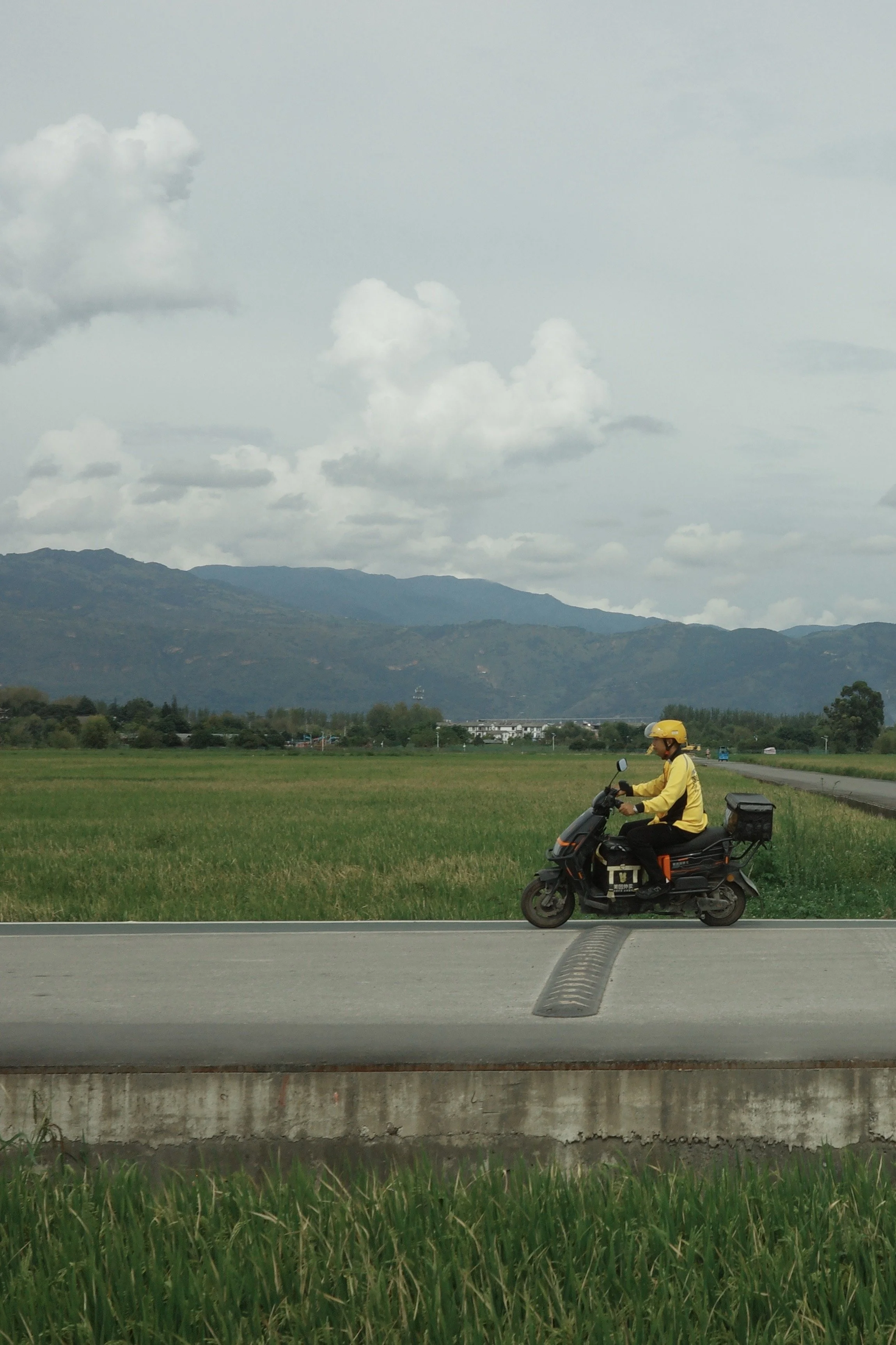
Drive around 2–3 hours to Dali, returning to the Erhai Lake basin. Compared to the canyon, Dali feels open and relaxed, with a mix of Bai architecture, lake views, and a more temperate climate. It serves as a natural endpoint to the more rugged part of the journey.
Day 13 — Dali
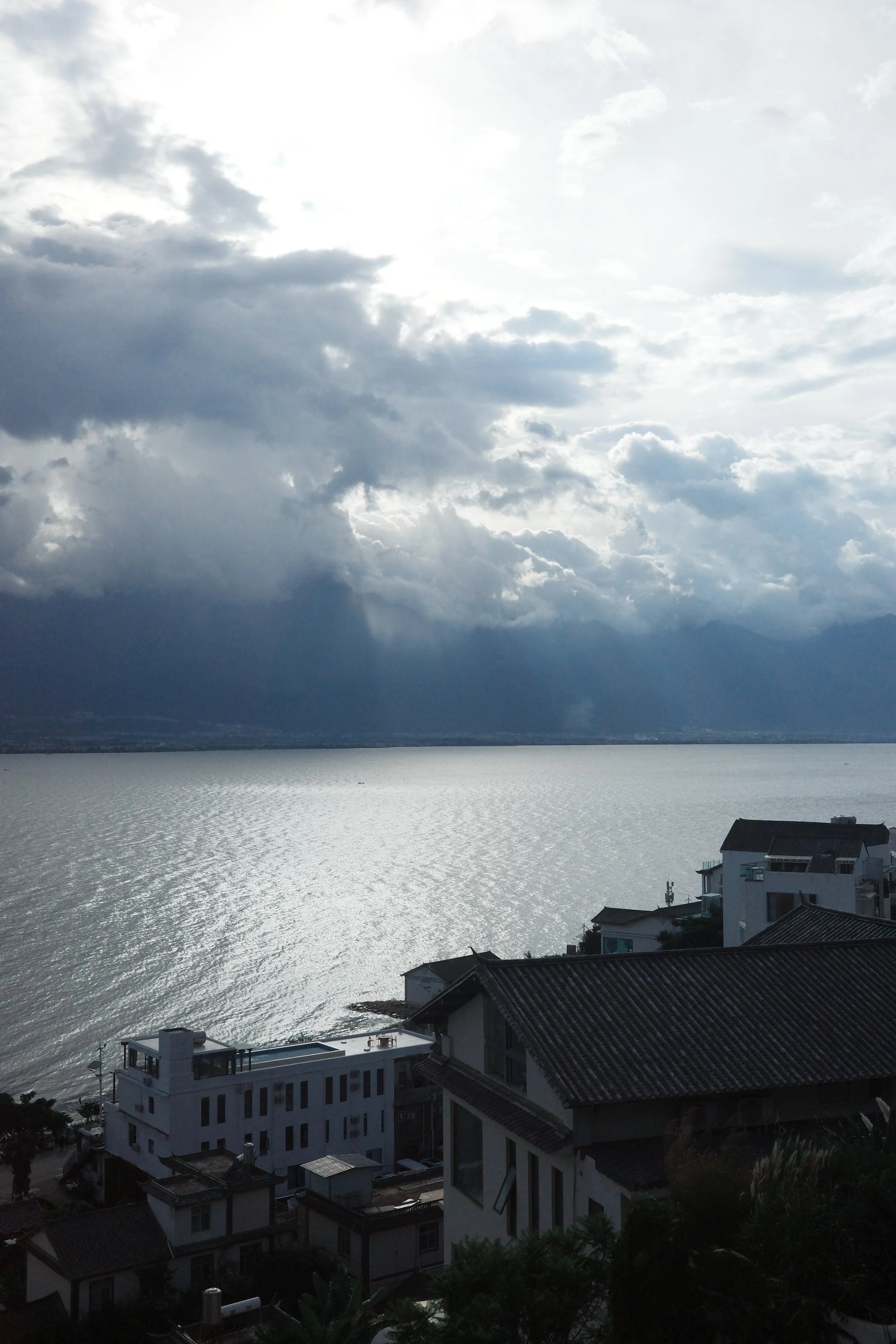
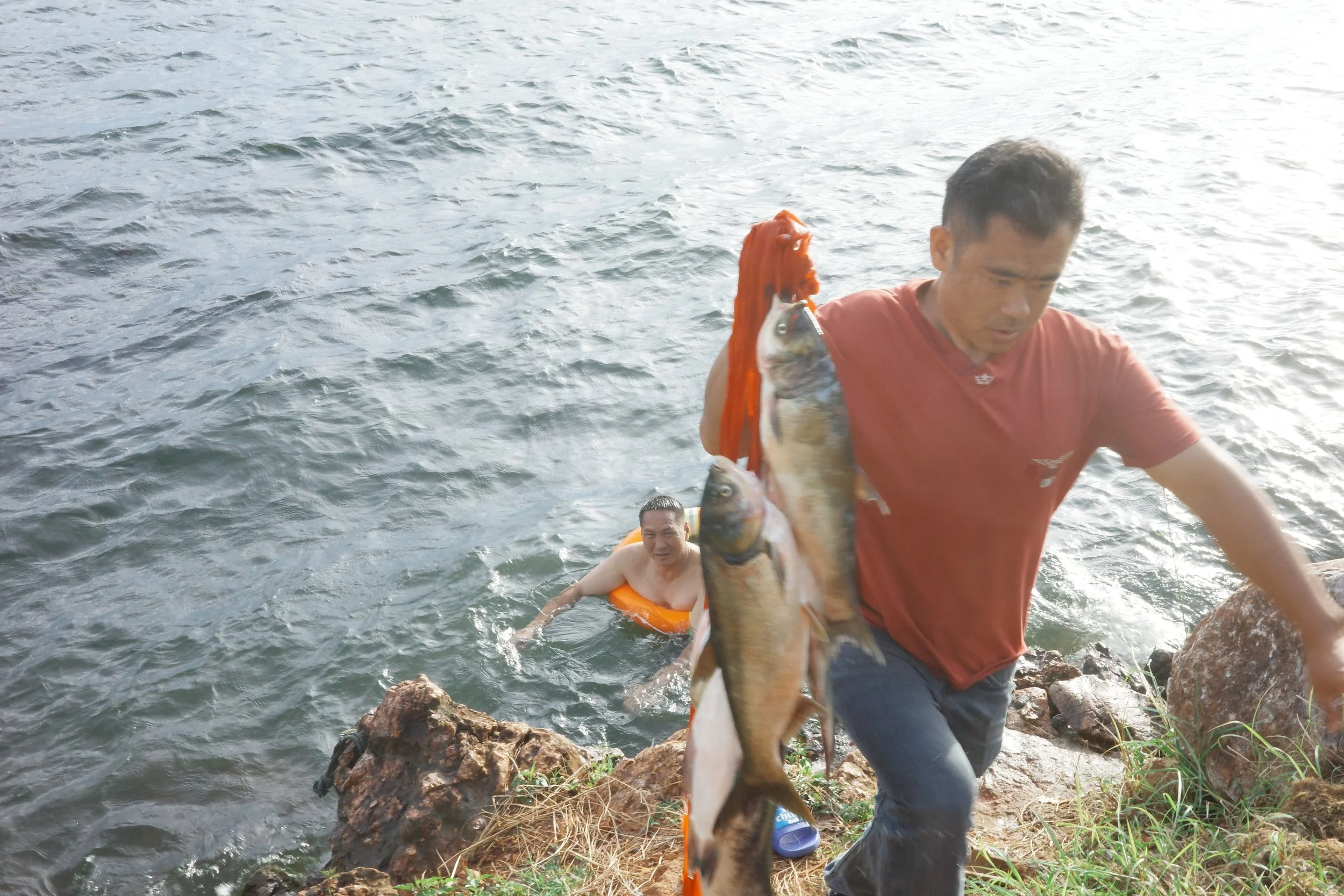
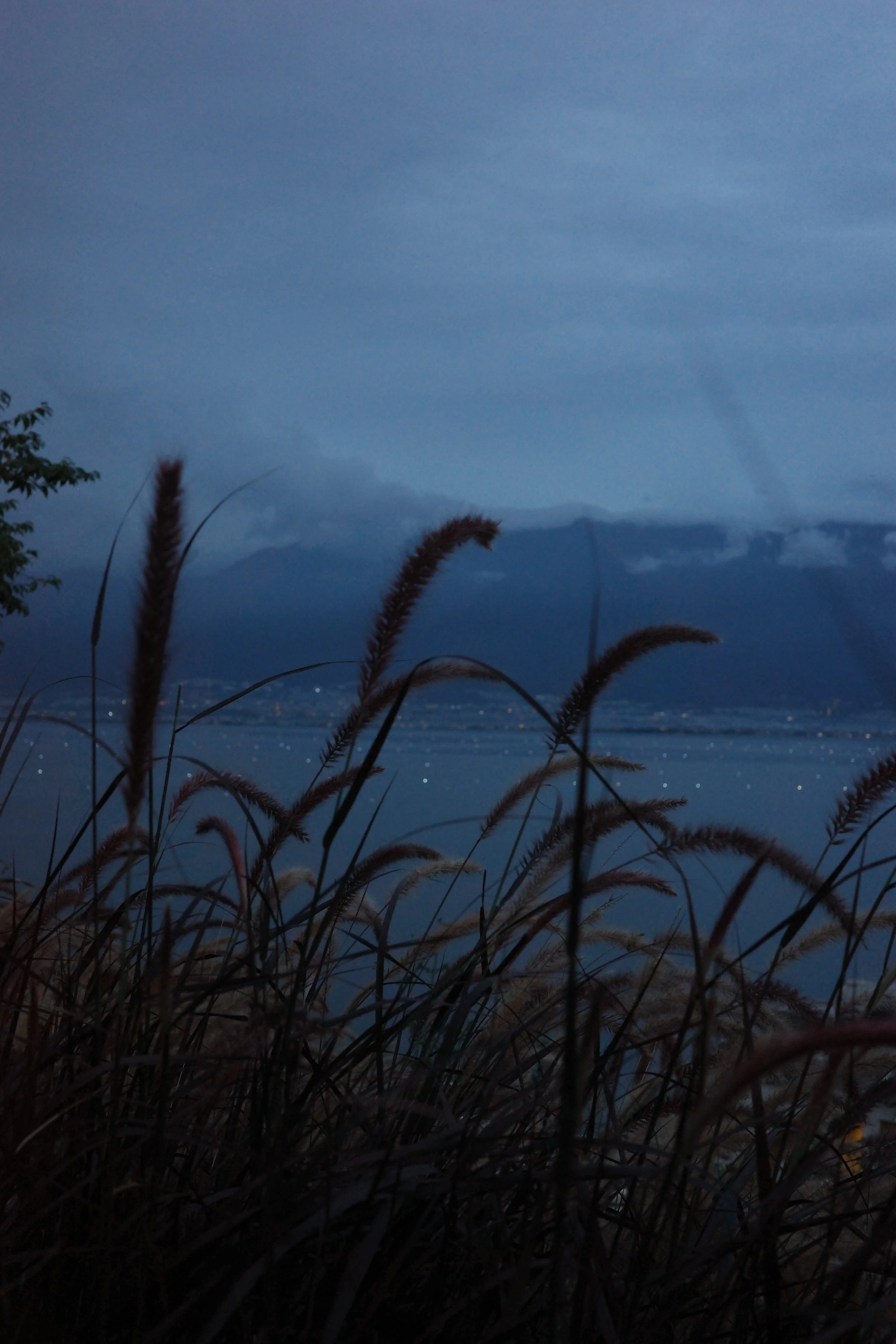
Spend a full day in Dali. Walk through the old town, cycle along Erhai Lake, or explore nearby villages. The landscape here is defined by the contrast between Cangshan Mountain and the lake, offering a softer, more livable environment after days of intense drive.
Day 14 — Departure
Depart from Dali. By this point, the route has covered multiple river systems — from the Jinsha and Lancang to the Nujiang — offering a condensed but powerful cross-section of southwest China’s geography.
This is by far my utmost favourite road trip in China, not just for its scenery, but for the way the landscapes shift so dramatically along the way.